I'm Gillian, a Scotland based home & lifestyle blogger. Follow along as I navigate this new journey sharing my life from home.


Refreshing a home interior does not always require a major renovation. Small changes to color, lighting, furniture placement, materials, and decorative details can alter how a room looks and functions. The key is to make changes that work together rather than adding isolated pieces that compete for attention.
Start With the Room’s Visual Structure
Before buying anything, study the room as a complete composition. Look at the proportions of the furniture, the amount of empty wall space, the direction of natural light, and the relationship between adjacent rooms. These factors determine whether a new design element will improve the space or make it feel crowded.
A useful starting point is to identify three elements that need attention. They might include outdated lighting, flat wall color, or furniture that blocks circulation. Fixing these structural issues often produces a greater visual improvement than simply adding accessories.
Technology can also make the planning stage more precise. Tools based on AI interior design can help homeowners test different layouts, color combinations, furniture arrangements, and visual styles before making physical changes. This is particularly useful when several design options need to be compared within the same floor plan.
Refresh the Color Palette
Color is one of the fastest ways to change the character of a room. Instead of repainting every surface, consider creating a controlled palette with one dominant shade, one secondary color, and a smaller accent tone.
Current design research supports a move toward stronger, more individual color choices. Houzz reported that searches for “color drenching,” where a single color is carried across walls, trim, and sometimes furniture, increased by 325% in early 2025.
For a practical refresh, consider:
- Warm neutrals for large surfaces.
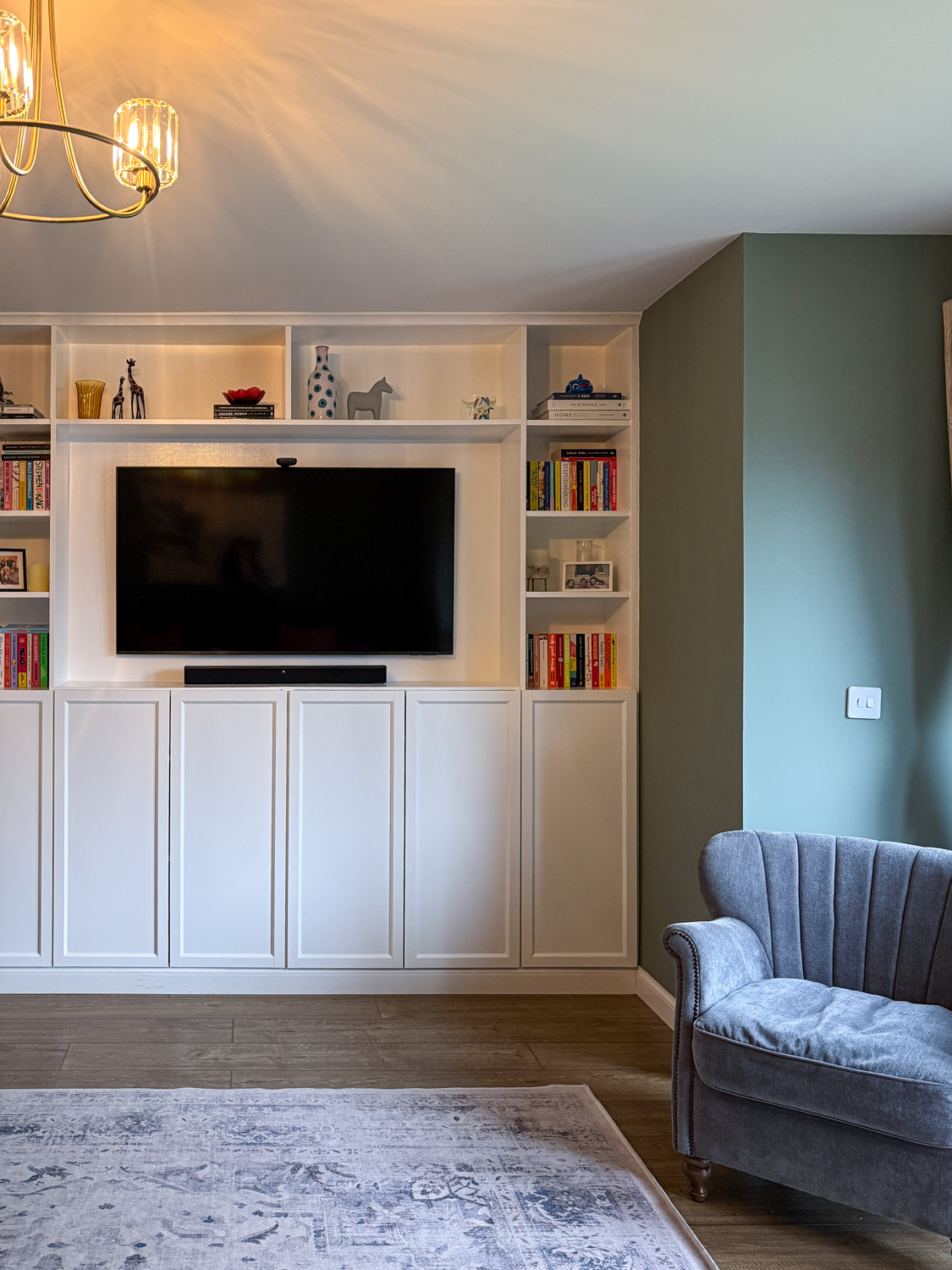
- Deeper tones for feature walls or built-ins.
- Muted colors for upholstered furniture.
- Brighter shades through artwork and accessories.
- Similar undertones across connected rooms.
The goal is not to use more color simply for the sake of it. The goal is to create visual continuity. A warm beige wall paired with cool gray furniture, for example, can look disconnected because their undertones pull in different directions.
Upgrade Lighting Before Replacing Furniture
Lighting has a major effect on how finishes and colors are perceived. A room with expensive furniture can still look unfinished if it relies on one ceiling fixture.
Use three layers where possible: ambient lighting for general visibility, task lighting for specific activities, and accent lighting for architectural or decorative features. This creates depth and allows the room to change throughout the day.
Pay attention to color temperature as well. Warm white lighting around 2700K to 3000K generally creates a comfortable residential atmosphere. Cooler temperatures can work in work areas, but excessive blue-white lighting can make living spaces feel harsh.
Add Texture Through Materials
A room can have the right colors and still appear flat. Texture solves that problem by introducing variation without requiring dramatic color changes.
Combine materials with different surface qualities. A smooth painted wall can work with a textured rug, natural wood table, woven shade, brushed metal fixture, and soft upholstery. These differences give the eye multiple surfaces to read.
Wood is particularly useful because it adds visual warmth and works across traditional, contemporary, and transitional interiors. Houzz reported rising interest in light hardwood floors, wood-paneled offices, and woven wood shades in its 2025 design trend research.
The important point is balance. Too many hard surfaces can make a room feel cold. Too many soft materials can make the design look visually heavy. Mixing approximately three to five major material types is often enough to create contrast without producing clutter.
Rethink Furniture Placement
Furniture placement can change a room without purchasing anything. Start by measuring the space and identifying the primary circulation routes. Walkways should remain clear, particularly around entrances, kitchen connections, and frequently used seating areas.
Avoid pushing every piece against a wall simply because there is available space. In larger rooms, floating a sofa or creating a central seating arrangement can establish separate functional zones.
Also consider sight lines. When entering a room, the first visible object should contribute to the composition. A large chair facing directly into a wall or an oversized cabinet blocking a window can make an otherwise attractive interior feel poorly planned.
Create One Strong Focal Point
Every room benefits from a visual anchor. This could be a fireplace, artwork, architectural feature, statement light, textured wall, or distinctive piece of furniture.
For a more contemporary approach, custom neon signs can create a strong focal point without requiring a full wall renovation. The sign can introduce color, typography, or a personal message while also functioning as a light source.
Placement matters. A statement feature should have enough surrounding space to remain visually dominant. If several decorative objects have equal visual weight, the room can lose hierarchy.
Replace Small Hardware and Fixtures
Hardware provides an inexpensive way to update cabinets, doors, and furniture. Replacing dated knobs and pulls with coordinated finishes can make older cabinetry feel considerably newer.
The same principle applies to faucets, switch plates, wall lights, and cabinet hinges. Choose finishes based on the room’s existing materials rather than trying to match every metal perfectly. A restrained combination of two complementary finishes can add depth without looking inconsistent.
Focus on Details That Feel Personal
A stylish interior should not look like a showroom. Personal objects give a home its identity. Books, artwork, photographs, collected objects, ceramics, and vintage pieces can introduce variation that mass-produced decor cannot easily replicate.
Use repetition to keep these details organized. Repeat a material, color, shape, or finish in several locations. For example, a brass lamp can relate to brass cabinet hardware, while a muted green artwork can connect with a cushion or plant elsewhere in the room.
Build a Cohesive Interior
The strongest home refreshes are rarely based on one dramatic purchase. They come from several controlled decisions working together. A considered palette, layered lighting, better proportions, varied textures, and a few personal focal points can transform an ordinary room.
Before making the next purchase, step back and consider what the room actually lacks. Sometimes it needs color. Sometimes it needs better lighting or less furniture. When every change serves a clear purpose, the finished interior feels intentional rather than simply redecorated.
Leave a Reply
If you like the sort of recommendation that still holds up six months later, leave your email below and I'll write to you on Sunday.
Most Sundays, once the house has gone quiet and it's edging towards nine, a letter goes out. It's the one I'd write to a friend with good taste and not nearly enough time: one thing worth reading, one thing worth buying, and one thing to skip. No noise, no pressure to spend, just the considered version of what I've actually been using, loving, or quietly sending back.