Havana, Cuba: Why This Is Unlike Anywhere Else You Will Ever Visit
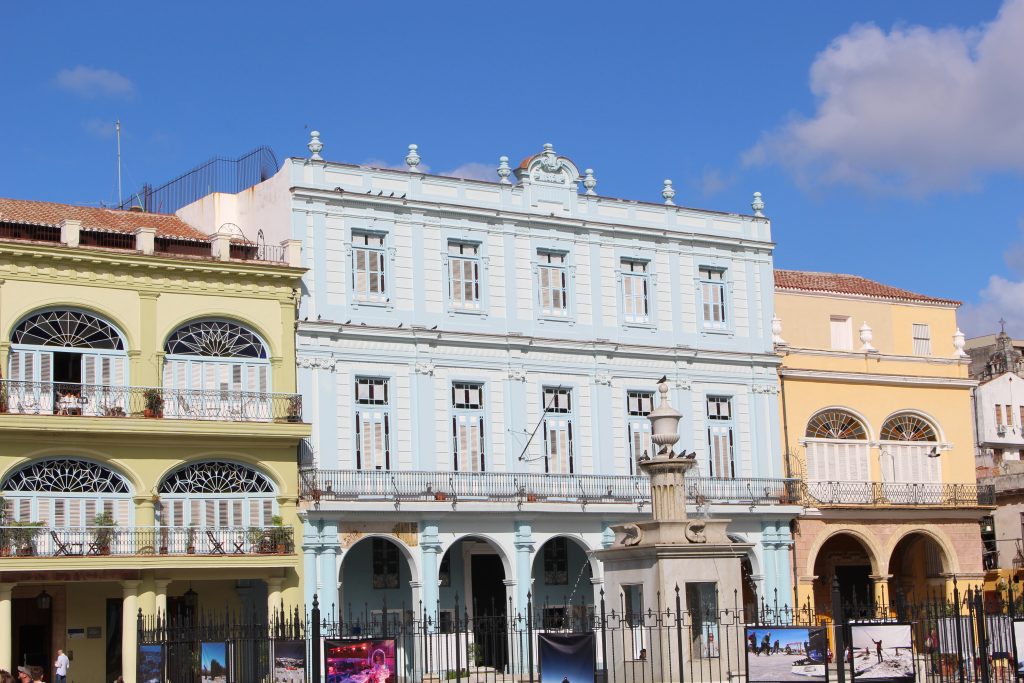

There are places you visit and enjoy. And then there are places that get under your skin in a way you There are places you visit and enjoy. And then there are places that get under your skin in a way you don't fully expect. Havana is firmly in the second category. From the moment you step ashore, it is visually, culturally, and emotionally unlike anywhere else on earth. The classic American cars gliding along the Malecón. The crumbling grandeur of pastel-coloured colonial buildings. The sound of live music drifting from every open doorway. The sense that you have somehow stepped sideways into a different version of time.
It's a city that defies easy description, and that is precisely its appeal.
This is my honest account of visiting Havana: what to do, how to see it properly, and why it absolutely belongs on your travel list.
A Note on Visiting Cuba
Before diving in, it's worth addressing the practicalities, because Cuba is one of those destinations where the logistics vary quite significantly depending on where you're from.
For UK and European travellers, visiting Cuba is straightforward. You can fly directly to Havana, book a cruise that stops there, or arrange an organised tour. A tourist visa (now available as an eVisa) is required and easy to obtain before you travel.
For US travellers, the situation is more complex. Cruise ship access from the US to Cuba was suspended in 2019, and while Americans can still visit Cuba legally via direct flights or through a third country (such as Mexico), the rules require travel to fall under one of the approved categories such as educational exchange or support for the Cuban people. It's worth doing thorough, up-to-date research on current regulations before booking. The rules have shifted over the years and continue to evolve.
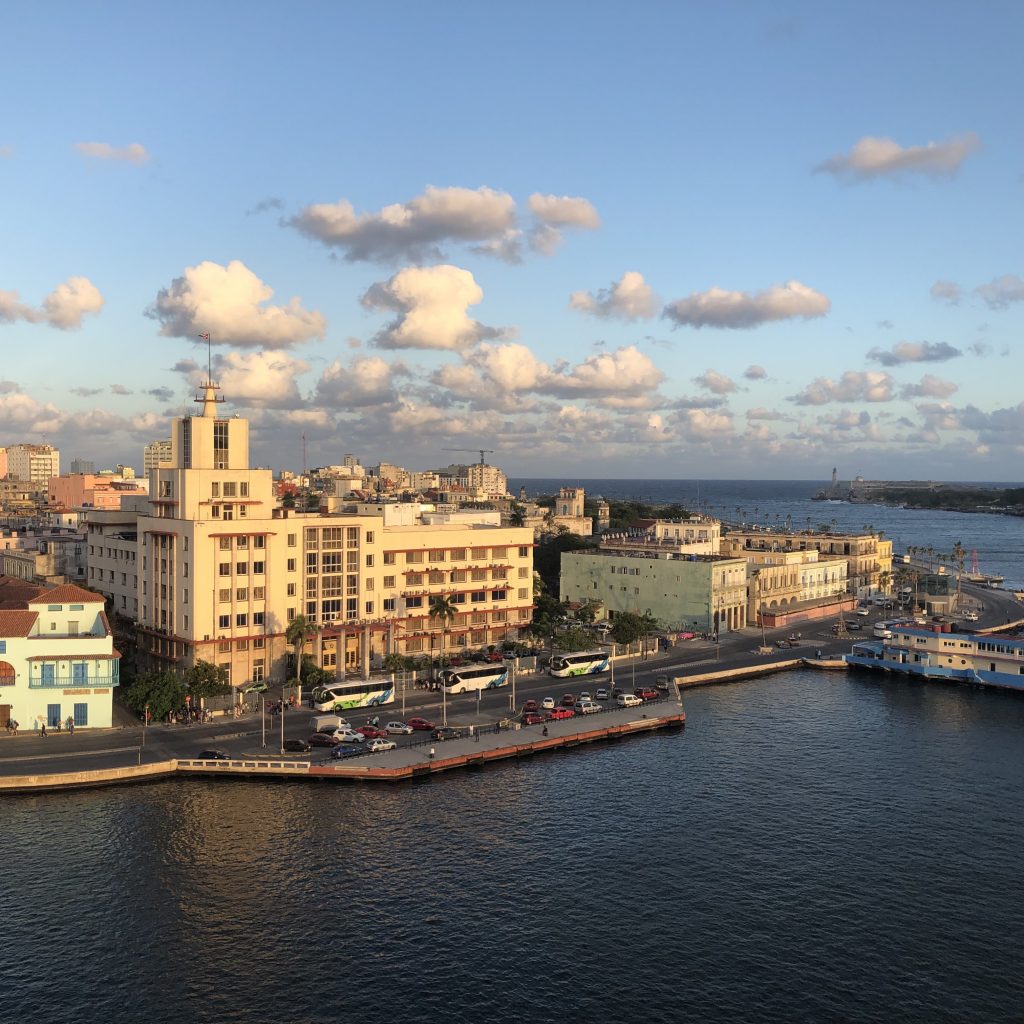
For UK visitors, a cruise itinerary that includes an overnight stop in Havana is one of the most memorable ways to experience the city and takes care of all the entry logistics for you. Arriving by sea, watching Havana's famous harbour come into view as you approach, sets the tone for everything that follows. If you're weighing up whether a cruise is the right way to travel at all, I've written a full Crystal Cruises review that covers exactly what the experience is like from start to finish — and whether luxury cruising is genuinely worth it.
First Impressions of Havana
Nothing quite prepares you for Havana. The photographs help, but they can't capture the full sensory experience of being there: the heat, the music, the smell of cigars, the extraordinary visual richness of the architecture, and the sheer, slightly overwhelming sense that you have arrived somewhere genuinely unlike anywhere else.
What strikes you immediately is the authenticity. There is not a single chain restaurant, chain hotel, or chain shop anywhere in sight. No golden arches, no familiar high street names, no branded coffee shops. Everything is local, everything is Cuban, and the city feels exactly as it did fifty years ago, partly by circumstance and partly because the Cuban people are fiercely, proudly protective of their culture and heritage.
It's a city of contradictions that somehow works. Crumbling facades sit beside lovingly restored mansions. Vintage 1950s Chevrolets and Cadillacs cruise streets that might not look out of place in a European capital. A UNESCO World Heritage Site exists alongside neighbourhoods that feel untouched by tourism entirely. And through all of it runs a current of music, warmth, and a particular Cuban way of being that is genuinely infectious.
What to Do in Havana
Take a Walking Tour of Old Havana
Old Havana (La Habana Vieja) is a UNESCO World Heritage Site and the obvious starting point for any visit. The historic centre contains one of the finest collections of colonial architecture in the Americas, with magnificent squares, baroque churches, crumbling palaces, and cobbled streets that have barely changed in centuries.
A guided walking tour is by far the best way to experience it properly. A good local guide brings the history to life in a way that no audio guide or guidebook quite replicates. You'll understand the layers of the city, its Spanish colonial past, the revolution, the embargo, the resilience of its people, in a way that transforms what you see from beautiful to genuinely meaningful.
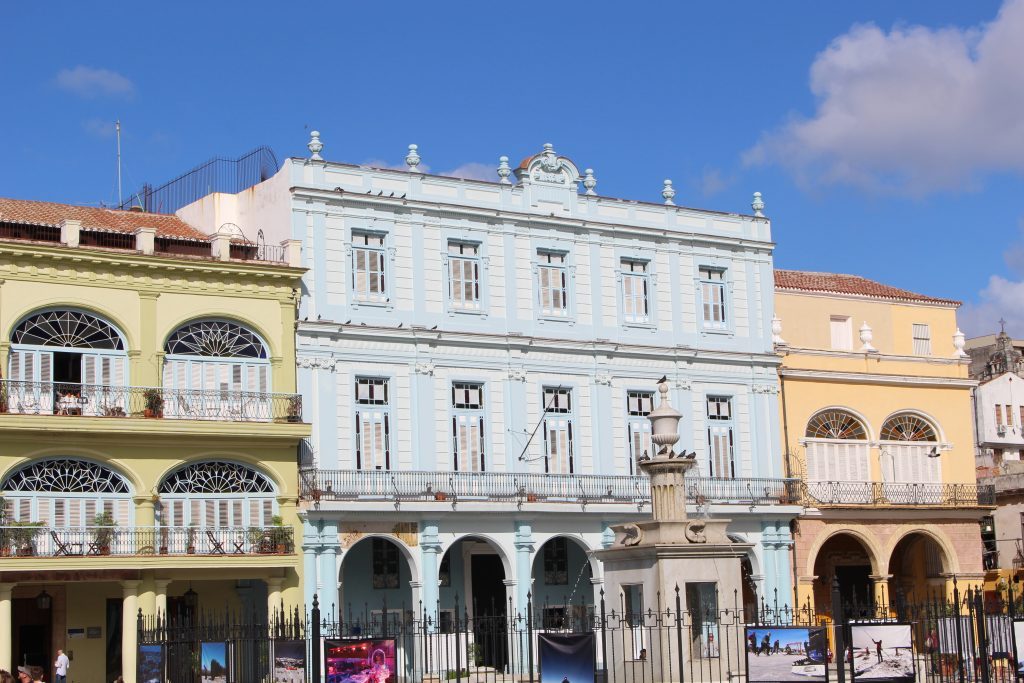
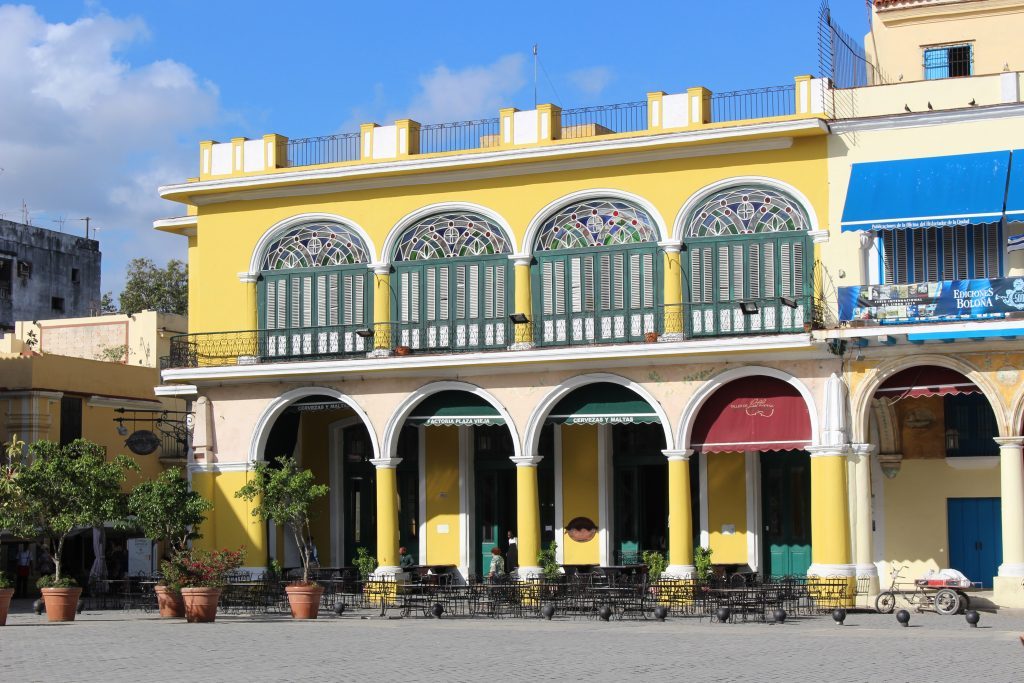
Allow at least half a day for a proper walking tour. The main squares to pass through include Plaza de Armas (the oldest in Havana and home to a wonderful second-hand book market), Plaza de la Catedral (with its stunning baroque cathedral), and Plaza Vieja, where beautifully restored buildings surround a central fountain and where some of the city's best photography opportunities are found.
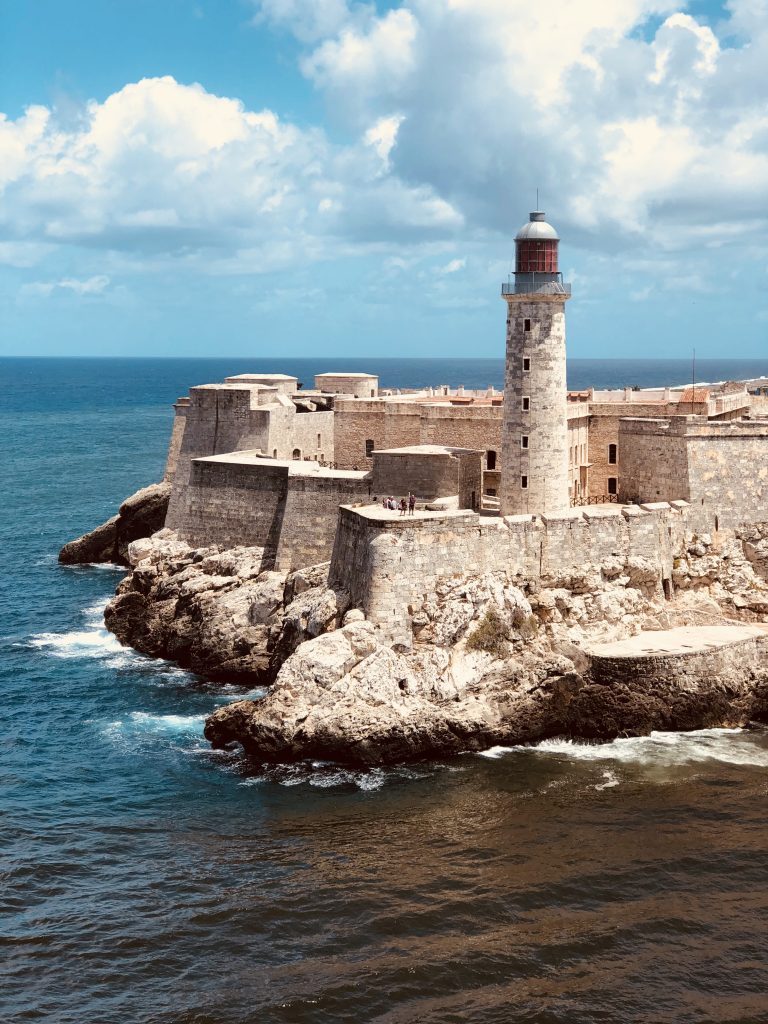
The Malecón, Havana's famous seafront promenade, is worth walking at any time of day but particularly at sunset when locals gather to watch the light change over the Straits of Florida. It's one of those places that feels deeply alive.
The Classic Car Tour
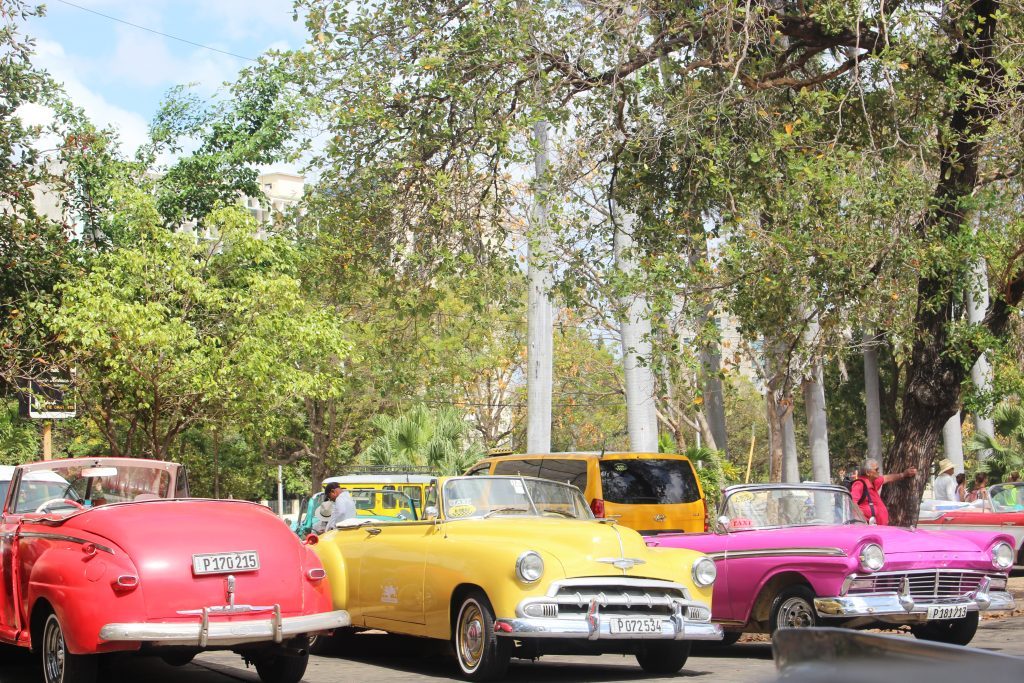
This is a non-negotiable. Cuba has an estimated 60,000 classic American cars still in daily use, a legacy of the pre-revolution era when US trade meant American cars were everywhere, and the embargo that followed meant no new imports and an extraordinary culture of maintenance, ingenuity, and preservation. These cars are not museum pieces. They are working taxis, private vehicles, and family heirlooms, lovingly maintained and often perfectly restored in vivid colours.
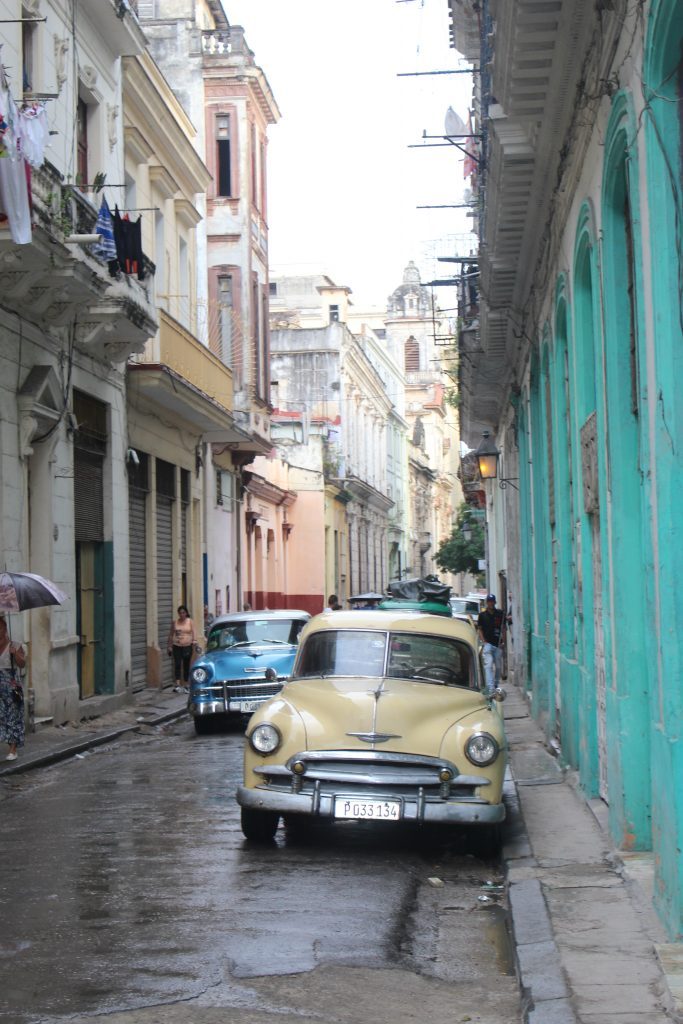
Booking a classic car tour means spending a couple of hours being driven through Havana's streets and surrounding highlights in one of these extraordinary vehicles, with a guide to explain what you're seeing. It's fun, it's beautiful, and it gives you a completely different perspective on the city than you get on foot.
Cars are typically open-topped and seat four to five people comfortably. You'll cover ground that would take all day to walk, and the experience of rolling along the Malecón in a 1957 Chevrolet Bel Air with the sea breeze coming in is one of those genuinely joyful travel moments that you'll remember for a long time.
Classic car tours can be arranged directly in Havana (you'll find them parked near the cruise terminal and at the top of the Paseo del Prado) or through your cruise line's shore excursion programme.
Visit the Local Art Markets
One of the most pleasurable ways to spend time in Havana is simply browsing the work of local artists and craftspeople. There are several indoor and outdoor markets around the city where artists sell original paintings, prints, handmade jewellery, textiles, and all manner of Cuban crafts directly from their stalls.
The work on offer is distinctive and often genuinely beautiful. Cuban art has its own aesthetic tradition, bold in colour, rich in imagery, rooted in the island's landscape and culture. The prices are reasonable by European standards and buying directly from artists means your money goes where it should.
Allow plenty of time. These markets are the kind of places where you look up and two hours have passed.
Explore on Your Own
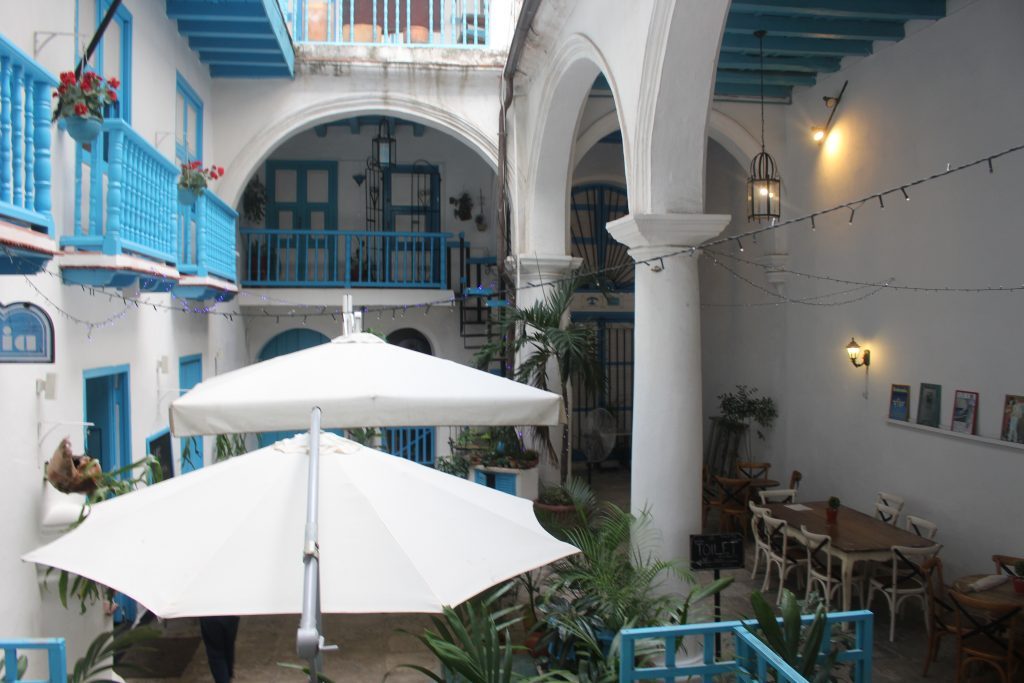
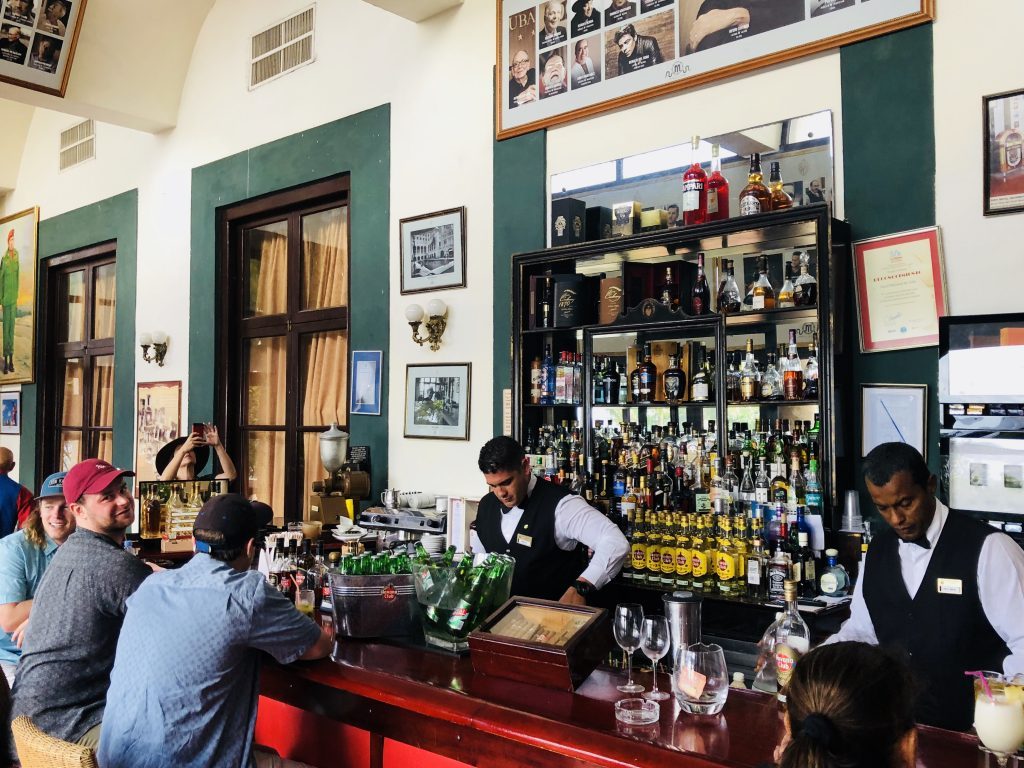
One of the best things you can do in Havana, particularly if you have a second day, is to simply wander. Get away from the main tourist squares and walk the streets of Centro Habana or the residential neighbourhoods just beyond Old Havana. Step into a paladar (a privately owned restaurant in someone's home) for lunch. Find a bar and order a mojito made with fresh mint. Listen to wherever the music is coming from.
Havana rewards slow, unhurried exploration. The further you get from the organised tourist circuit, the more of the real city you encounter, and the more memorable it becomes.
Key West: The Perfect Complement
If your cruise itinerary includes a stop at Key West before or after Cuba, take full advantage. Key West is the southernmost point of the continental United States and sits just 90 miles from the Cuban coast. It has its own particular laid-back, bohemian charm and makes a wonderful contrast to the intensity of Havana.
The waterfront area, Duval Street, the Ernest Hemingway Home and Museum (the author lived here for over a decade and his connection to Cuba gives the stop an added layer of relevance), and the famous sunset celebration at Mallory Square are all worth your time. Key West is also an excellent place to eat, with a particularly good selection of seafood restaurants.
What Makes Havana So Distinctive
It's worth trying to articulate what makes Havana different from every other city you might visit in the Caribbean, because it genuinely is in a category of its own.
Most tourist destinations in the Caribbean have been shaped, to varying degrees, by tourism. There are familiar reference points, international hotel brands, restaurants calibrated for Western tastes, shops selling the same branded goods you can buy at home. Havana has none of that. The absence of commercialisation that in other places might feel like a lack, here feels like a gift. You are seeing something real, something that exists for Cubans rather than for visitors, and that quality of authenticity is increasingly rare in popular travel destinations.
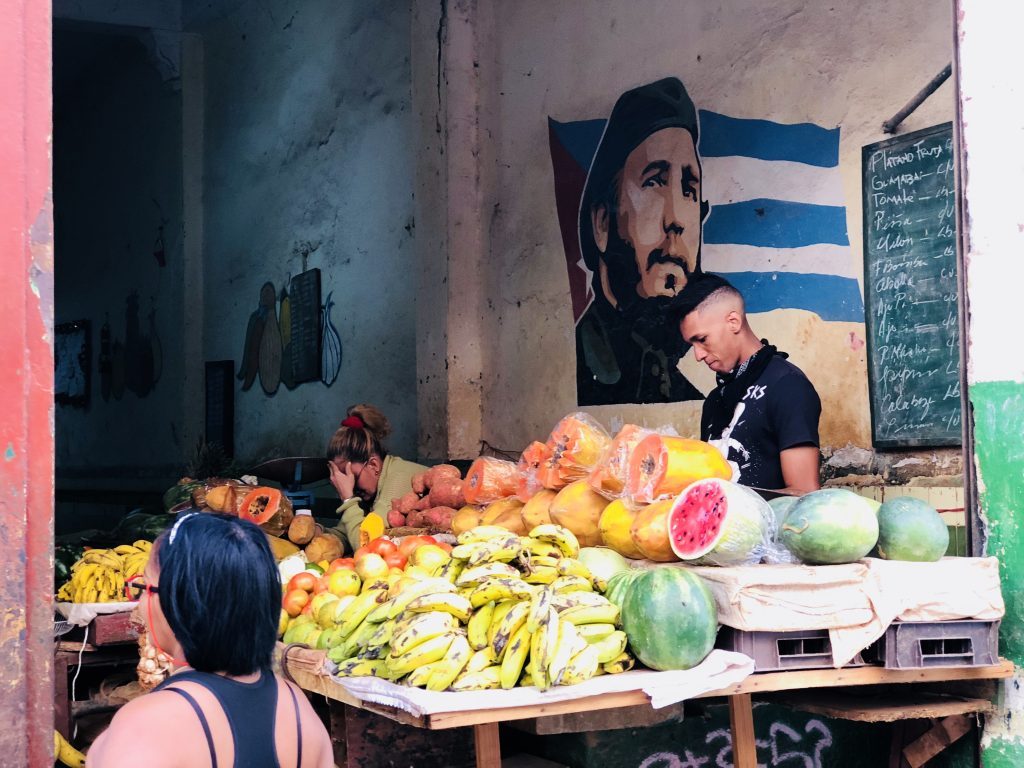
The Cuban people add another dimension entirely. Pride in their culture, warmth towards visitors, and a particular way of engaging with the world that is simultaneously passionate and unhurried. There is music everywhere, not as a performance for tourists but as a genuine expression of daily life. There is art everywhere for the same reason. And there is an openness and friendliness in the way strangers interact that feels like a reminder of something travel used to reliably offer and often no longer does.
It is not a comfortable destination in the conventional sense. The infrastructure is creaking, WiFi is limited, and the visible signs of economic hardship are real and should not be glossed over. But for travellers who want to experience something genuinely different, somewhere that expands rather than simply confirms your existing sense of what the world looks like, Havana is extraordinary.
Practical Tips for Visiting Havana
Cash is essential. Cuba operates largely on cash, and US credit and debit cards do not work there (though UK and European cards generally do). Arrive with enough local currency for your stay and don't rely on being able to access cash easily once you're there. If it's your first time cruising and you're unsure what else to prepare for, this post on what I wish I knew before my first cruise is worth reading before you sail.
Very little English is spoken outside of tour guides and some hotel and restaurant staff. A translation app downloaded for offline use is genuinely useful.
WiFi is limited. Hotels offer it in common areas and there are some public parks with hotspots, but connectivity is patchy and unreliable. Embrace the digital detox.
Bring a decent camera. Havana is one of the most photogenic cities in the world and your phone will not do it full justice.
Book excursions in advance if visiting by cruise. Shore time is limited and organised excursions fill up quickly. If you're planning a cruise and want to know exactly what to expect from the experience, my Ultimate Crystal Cruises Review covers everything in detail.
The heat is intense. Havana is warm year-round and the Caribbean sun is strong. High-SPF sunscreen, a hat, and light, breathable clothing are essential.
Cuban cigars. If you smoke or know someone who does, Cuban cigars are extraordinary and considerably cheaper than they are anywhere else. Buy from established shops rather than street vendors offering “special deals.”
Paladares are worth seeking out. These privately owned restaurants in people's homes often serve better food than the state-run establishments and the money goes directly to the family. Ask your guide for recommendations.
The Lasting Impression
Havana is the kind of city that stays with you long after you've left. The images come back: the way the light falls on those coloured buildings in the late afternoon, the sound of a trumpet from somewhere you can't quite place, the particular smell of the city, the face of the guide who explained the revolution with such complicated pride and sadness. It's a destination that makes you think as well as feel, and those are always the most valuable trips.
Whether you visit for a day on a cruise or carve out a proper week to spend there, go. Go before it changes too much, and go with an open mind and a willingness to be surprised. It will not disappoint.
Inspired to explore more of the world? Read our guides to Exuma, Bahamas, Zulu Nyala Game Reserve in South Africa, and Cape Town with kids.
Leave a Reply
The Sunday Letter
Most Sundays, once the house has gone quiet and it's edging towards nine, a letter goes out. It's the one I'd write to a friend with good taste and not nearly enough time: one thing worth reading, one thing worth buying, and one thing to skip. No noise, no pressure to spend, just the considered version of what I've actually been using, loving, or quietly sending back.
If you like the sort of recommendation that still holds up six months later, leave your email below and I'll write to you on Sunday.



[…] took three vacations this year: Our Trip to Cuba, Exuma, Bahamas, and an Eastern European […]
I have never been to Cuba! I would love to visit this amazing country!
Woow. The pics looks amazin in cuba. Me and my wife will soon be going there too. Wish us luck 🙂