K-Beauty vs Western Skincare: Why It Actually Changed Everything
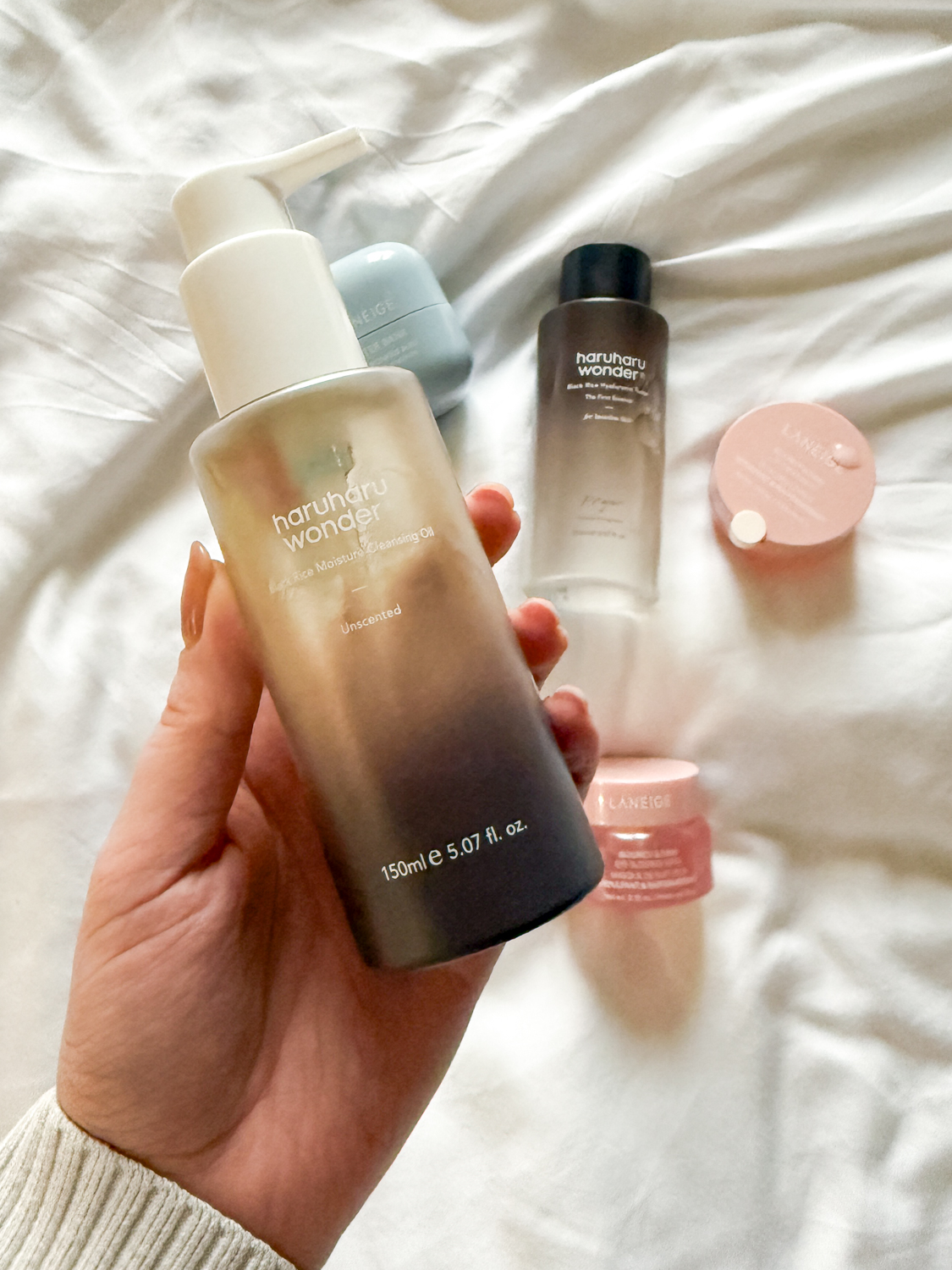

OK so if you read my ChatGPT skincare experiment, you already know this about me, I came to Korean beauty with absolutely zero clue and way too many assumptions. I thought glass skin was just a clever marketing slogan. I thought multiple steps automatically meant more faff. And I definitely thought the whole thing would feel overcomplicated and a bit… much.
Turns out? I was wrong about all of it.
K-beauty isn’t a trend that peaked on TikTok and faded with the algorithm. It’s a genuine shift in how we think about skincare, and it’s been quietly reshaping what brands put on shelves, what dermatologists recommend, and what real people (hi, that’s me) actually want from their routines. So grab a cuppa, settle in, and let’s talk about what’s really going on.
What Is the Difference Between K-Beauty and Western Skincare?
Here’s the simplest way I can put it. Western skincare has traditionally been about correction; waiting for a problem to show up and then throwing an active ingredient at it. Retinol for wrinkles. Vitamin C for dark spots. AHA/BHA for texture. K-beauty flips that completely and prioritises prevention; building a strong, hydrated skin barrier that keeps problems from developing in the first place.
Neither approach is wrong, by the way. They just start from very different places. And once you understand that distinction, you can start borrowing the smartest ideas from both, which, spoiler alert, is exactly what the beauty industry is doing right now.
It Still Has a Buzz About It, But There’s Proper Science Behind It
Let’s get one thing out of the way: K-beauty didn’t become a global thing just because TikTok made sheet masks look cute. I mean, that helped, obviously. But the real reason it stuck is because it completely reframed the conversation around what healthy skin actually looks like.
Instead of asking “what’s wrong with my skin and how do I fix it?” K-beauty asks “how do I look after my skin so there’s less to fix?” That’s a fundamentally different starting point, and honestly? It just makes more sense to me. It’s why we now see things like double cleansing, hydrating toners, lightweight essences, and daily SPF woven into mainstream routines. These weren’t common practice in the UK even five years ago. Now they’re everywhere.
The whole approach feels considered and intentional rather than reactive, and that’s the kind of skincare philosophy that resonates with anyone who wants their routine to feel like a little ritual rather than a frantic fix.
Where K-Beauty Started vs Where It’s Going
K-beauty has always been rooted in South Korean beauty standards that prioritise smooth, luminous, resilient skin. The famous “glass skin” look isn’t about being shiny, it’s about skin that looks so hydrated and healthy it almost seems translucent. That’s a high bar, but the underlying principle is totally achievable: consistent care, gentle products, barrier protection.
Here’s what’s really interesting about where things are heading in 2026 though: the industry is moving away from those long, multi-step routines that once defined K-beauty. Brands are shifting towards what’s being called “skip-care”, smarter, streamlined protocols that focus on fewer products with higher performance.
The Rise of Skip-Care and Minimalist Korean Skincare
Think of it this way: instead of ten steps with ten separate products, you get three or four products that each do the work of two or three. Streamlined hydration tech, barrier-strengthening actives, hybrid skincare-meets-sun-protection formulas. It’s like K-beauty peeked at Western minimalism and said: “Right, what if we give you the same results but with way less faff?”
And honestly, that’s music to my ears. I love the idea of a luxurious skincare moment, but I also live in the real world where I’m not spending forty-five minutes in front of a mirror every morning. Less friction, same glow? Yes please.
Glass Skin vs Healthy Skin: How the Goal Has Changed
“Glass skin” started as a beautifully specific goal: radiant, hydrated, smooth skin with an almost multi-dimensional quality. Not greasy, not cakey, not artificially glossy, just genuinely healthy skin that catches the light in all the right ways.
The problem is the term got a bit co-opted online. It became shorthand for “super dewy and shiny,” which isn’t quite the same thing. In Korea, the real goal was never about surface-level shine. It was about the health underneath, skin so well-nourished and balanced that the luminosity is just a natural byproduct.
That distinction really matters. Because if you’re chasing glass skin by piling on dewy products, you might just end up looking oily (been there). But if you’re building glass skin by repairing your barrier and keeping things deeply hydrated? That’s where the magic happens. It’s the difference between faking it and genuinely achieving it, and the latter is so much more sustainable.
How Western Skincare Has Shifted Because of K-Beauty
This is where it gets really interesting, because the influence runs so much deeper than most people realise.
Sunscreen Became Non-Negotiable
Korean sunscreen for daily use was already standard in South Korea long before the rest of us caught on. K-beauty normalised wearing SPF every single day, every season, not just on holiday or as an anti-ageing afterthought. That shift alone has been massive. Elegant, lightweight Korean sunscreens proved that SPF doesn’t have to feel like wallpaper paste on your face, and Western brands have been scrambling to catch up ever since.
Hydration Took Priority Over Harsh Actives
There was a time when the Western skincare conversation was completely dominated by potent actives: retinol, glycolic acid, benzoyl peroxide. And look, these ingredients absolutely have their place (maybe, I’m still not sure what half of them mean…). But K-beauty introduced the idea that skin barrier repair products, ceramides, hyaluronic acid derivatives, centella asiatica, should come first. Protect the barrier, then treat concerns. People stopped wanting irritation as proof their products were “working” and started demanding results without the redness, the flaking, and the three-day purge period.
The Ingredient Revolution: PDRN, Ginseng, and Beyond
K-beauty also introduced us to ingredients most of us had never even heard of, and some of them have turned out to be properly extraordinary. Snail mucin for hydration and repair. Ginseng for brightening and anti-ageing. And now, one of the most exciting developments in the space: PDRN (polydeoxyribonucleotide), derived from salmon DNA (although the thought of a Salmon sperm facial still makes me squirm), which is showing remarkable results for skin regeneration and barrier repair.
What Are the Benefits of PDRN in Skincare?
PDRN skincare benefits include accelerated cell regeneration, improved skin elasticity, enhanced hydration at a cellular level, and support for wound healing and barrier repair. It’s been used in clinical settings in Korea for years and is only now making its way into everyday consumer products. If you’re someone who likes being ahead of the curve with ingredients, PDRN is absolutely one to have on your radar. It’s a perfect example of K-beauty’s willingness to innovate with things that Western brands haven’t even started exploring yet.
Korean Brands Are Coming to the UK, And the Prices Are Ridiculously Good
Here’s something I find really exciting: Korean beauty brands are expanding into the UK at pace right now. Boots and Superdrug have both been quietly growing their K-beauty sections, independent retailers like PureSeoul and Moida are setting up brick-and-mortar shops, and Sephora just announced a huge partnership with Olive Young (Korea’s biggest beauty retailer) that’s set to roll out to the UK in 2027. K-beauty isn’t just an internet thing anymore, it’s going to be on your high street.
And here’s the bit that really gets me: the price points are genuinely brilliant. We’re talking about really high-quality, innovative skincare that often costs a fraction of what you’d pay for equivalent Western products. A gorgeous hydrating serum for £10-15 instead of £35-50? Elegant sunscreens for under a tenner? It almost feels too good to be true, but there’s a solid reason behind it.
Why Is Korean Skincare So Affordable?
South Korea has one of the most competitive beauty industries in the world, with thousands of active beauty brands all competing within a relatively small population of around 51 million people. That level of saturation forces brands to constantly innovate, improve formulations, and keep pricing accessible just to survive.
In contrast, the UK beauty market is far more consolidated, with fewer dominant players controlling large market share. Korean brands operate in a place where new launches are constant and consumers expect cutting-edge ingredients at reasonable prices.
That pressure creates something interesting: high performance at mid-range pricing.
Add in the fact that most brands own their own production facilities, and you get products that are 20-40% cheaper than Western equivalents without cutting any corners on quality.
For us as consumers, that’s brilliant news. It means you can build a genuinely luxurious skincare routine without spending a fortune, which is exactly the kind of everyday luxury I’m always banging on about. Great ingredients, beautiful textures, real results, and a price tag that doesn’t make you wince. What’s not to love?
K-Beauty vs Western Skincare: A Quick Comparison
| Feature | Western Skincare | K-Beauty (Modern) |
| Philosophy | Correction and repair | Prevention and maintenance |
| Key Steps | Exfoliation, retinols, actives | Double cleanse, hydration layers, barrier support |
| Textures | Rich creams and lotions | Essences, ampoules, watery layers |
| Goal | Anti-ageing, spot correction | Barrier health, glass skin, radiance |
| Sun Protection | Seasonal or cosmetic | Daily, non-negotiable |
| Price Point | Often premium-priced | Competitive, high quality, lower cost |
| 2026 Direction | Adopting K-beauty principles | Skip-care, hybrid formulas, PDRN |
My Take: What a Barrier-First Routine Actually Feels Like
So here’s the personal bit. I used AI to design my Korean skincare routine (I know, I know), but I tested it on my actual skin for over 90 days. And here’s what happened: after switching to a barrier-first approach, my redness decreased noticeably within the first two weeks. My skin felt calmer, more balanced, and, this is the bit that properly surprised me, it actually looked better with less makeup on.

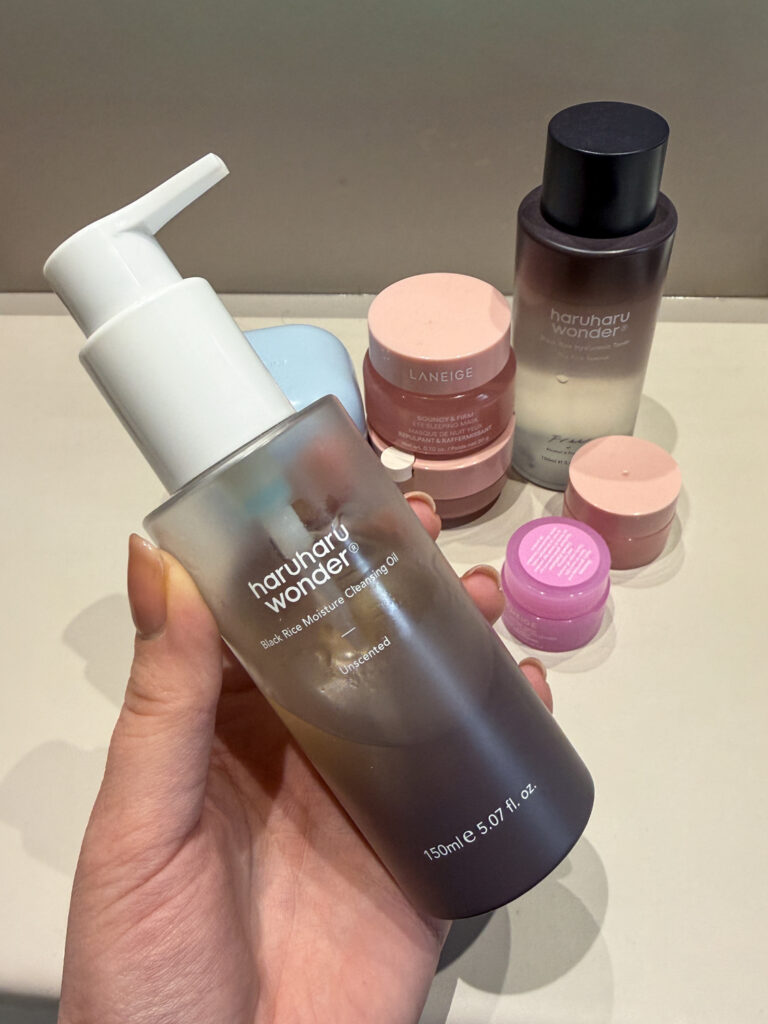
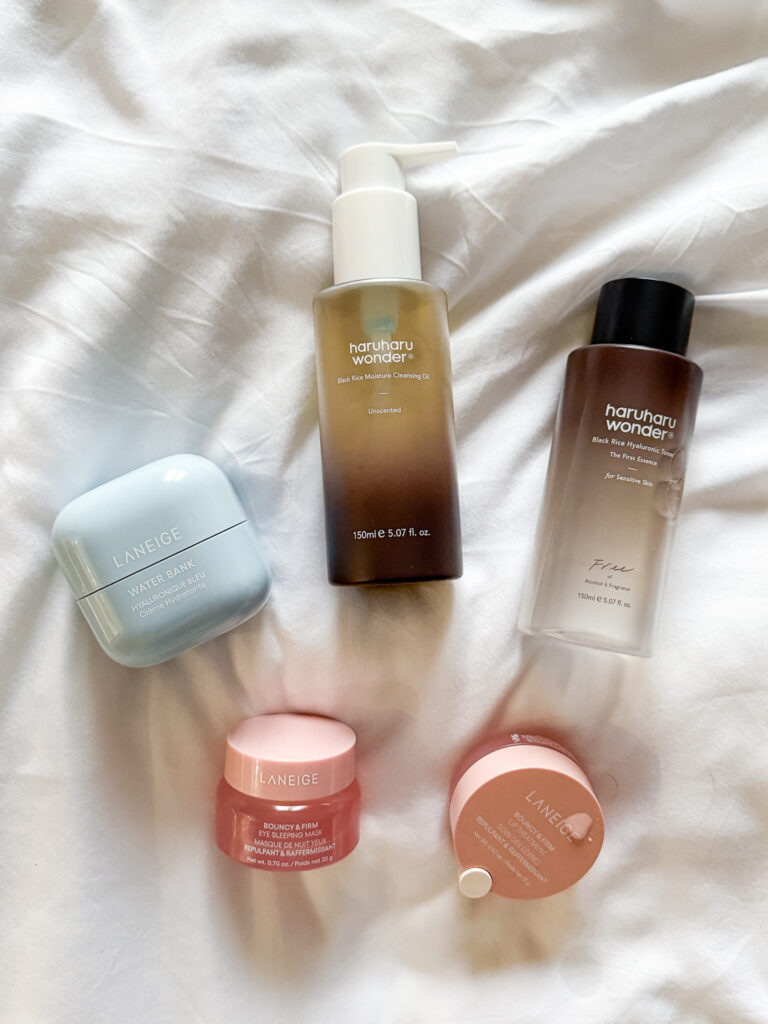
The Korean skincare routine steps that made the biggest difference for me were surprisingly simple: a gentle cleanse, a hydrating toner, a lightweight essence, and moisturiser SPF every single morning without exception (even though it’s February in Scotland right now). That’s it. Four steps. No ten-step marathon. No cupboard full of half-used bottles gathering dust.
Your skincare routine should feel like something you genuinely look forward to, not a chore you resent. And that’s the bit K-beauty gets so right. It’s not about perfection or performing some elaborate twelve-step ceremony. It’s about consistency and care, and when you strip it back to those principles, the results genuinely speak for themselves.
What You Should Really Take Away From All of This
K-beauty isn’t about blindly copying a ten-step routine you saw on Instagram. It’s about understanding your skin’s needs, choosing ingredients with actual purpose, building a routine that evolves with you, and finding that sweet spot between prevention and treatment.
The most exciting thing happening right now is convergence. Western brands are borrowing K-beauty’s hydration-first, barrier-focused philosophy. Korean brands are embracing streamlined, minimalist formulas. And with Korean beauty becoming increasingly accessible on the UK high street at price points that won’t make you cry, there’s genuinely never been a better time to explore what this world has to offer.
If you’re new to all of this, start simple. Double cleanse. Hydrate. Protect. Pay attention to how your skin feels, not just how it looks. And if you want to see where my own journey started, have a read of my ChatGPT skincare experiment, it’s the honest version of what happens when you let AI plan your skincare and then actually live with the results.
Because the real influence of K-beauty isn’t about products. It’s about a mindset shift, one that says looking after your skin should feel considered, intentional, and maybe even a little bit luxurious. And honestly? That’s exactly the kind of everyday luxury I’m here for.
Leave a Reply
The Sunday Letter
Most Sundays, once the house has gone quiet and it's edging towards nine, a letter goes out. It's the one I'd write to a friend with good taste and not nearly enough time: one thing worth reading, one thing worth buying, and one thing to skip. No noise, no pressure to spend, just the considered version of what I've actually been using, loving, or quietly sending back.
If you like the sort of recommendation that still holds up six months later, leave your email below and I'll write to you on Sunday.