The Honest Truth About Tulum: What Nobody Tells You Before You Go
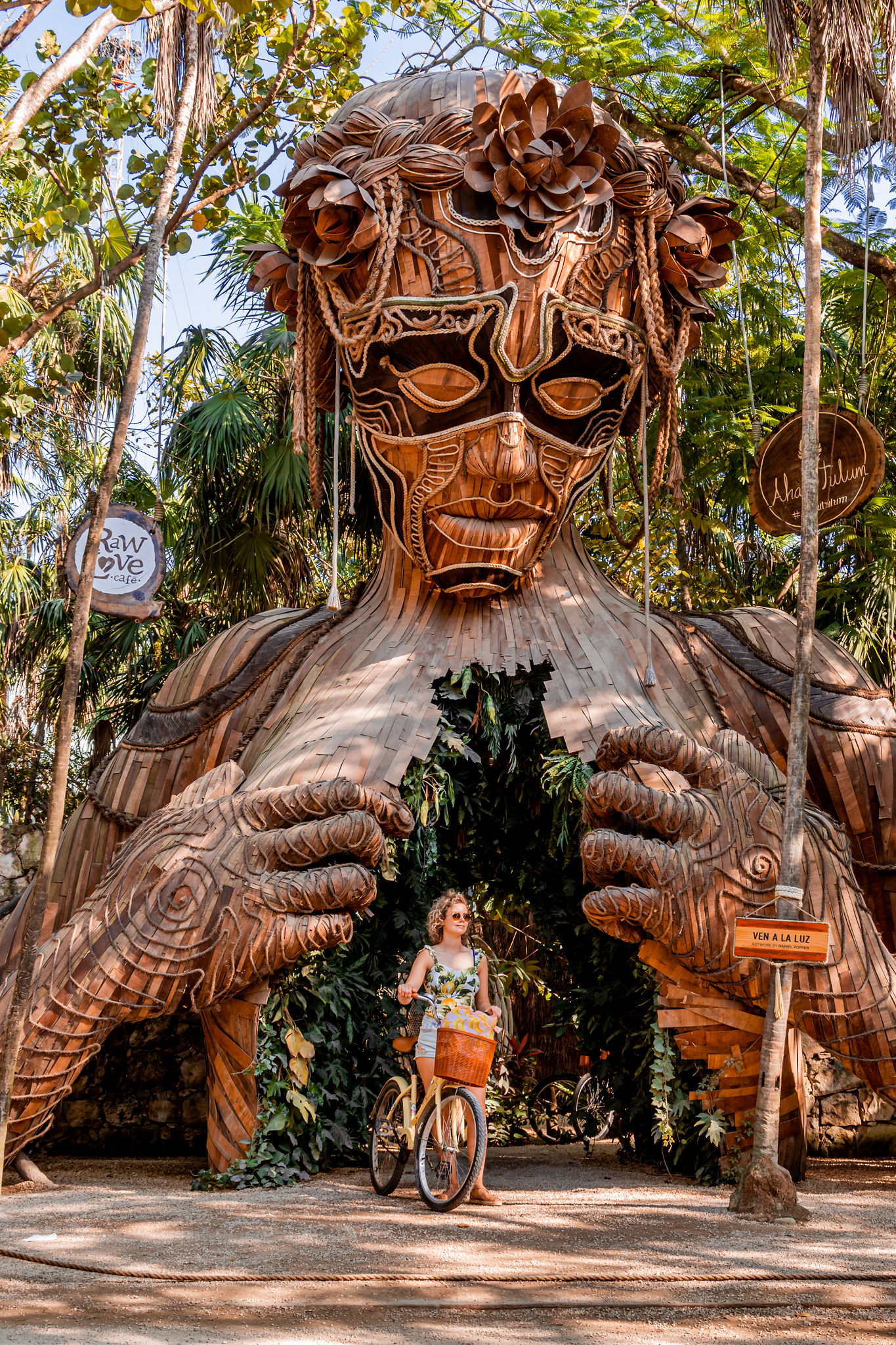

Tulum has a lot to answer for. It has spent the better part of a decade looking absolutely extraordinary on social media, and I'll be honest, I fell for it completely. The thatched rooftops, the turquoise water, the jungle retreats, the whole carefully curated aesthetic that makes it look like the most beautiful, soulful, effortlessly cool place on earth. I wanted to go. I went. And my feelings about it are, to put it diplomatically, complicated.
I want to be clear that this isn't a post designed to put you off Tulum entirely. There are genuinely wonderful things about it, and if the stars align in the right way, you can have an incredible time there. But I also think the gap between what Tulum looks like online and what it actually is in person deserves an honest conversation, because I wish someone had had it with me before I booked.
So here it is: the real Tulum, the good and the not so good.
What We Actually Loved
Before I get into the harder stuff, let me give credit where it's genuinely due, because Tulum does some things beautifully.
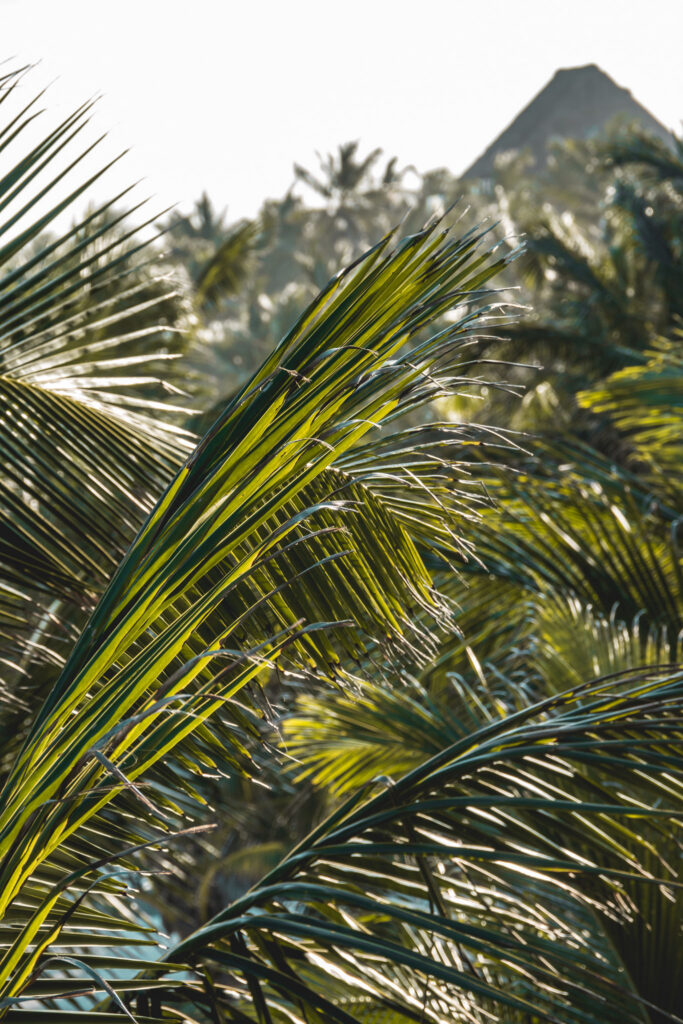
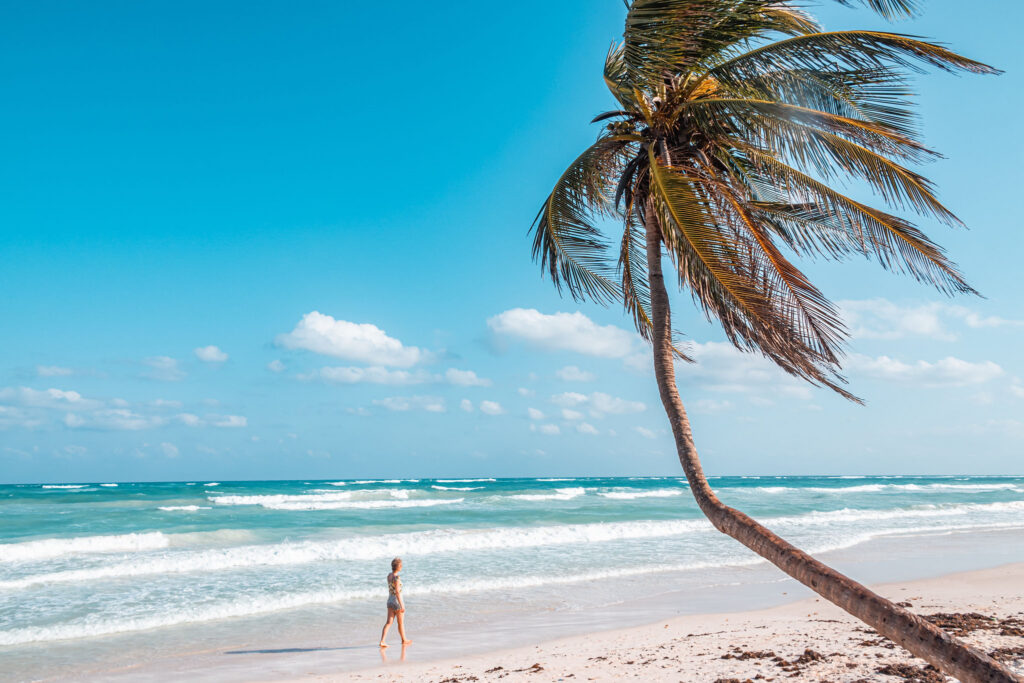
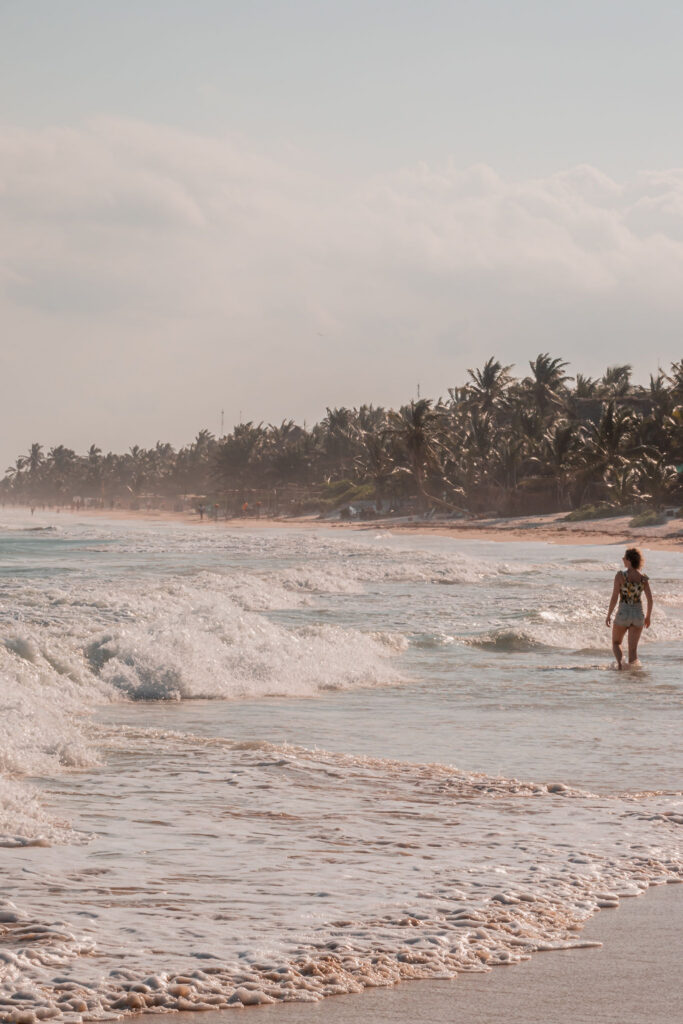
The beaches are, without question, spectacular. Long stretches of pale sand, palm trees doing exactly what palm trees should do in a coastal paradise, and water that moves through so many shades of blue it almost looks unreal. The north and south beaches are both stunning, and on a quiet morning before the crowds arrive, they feel like something from a dream. That part of the Instagram version of Tulum is completely accurate.
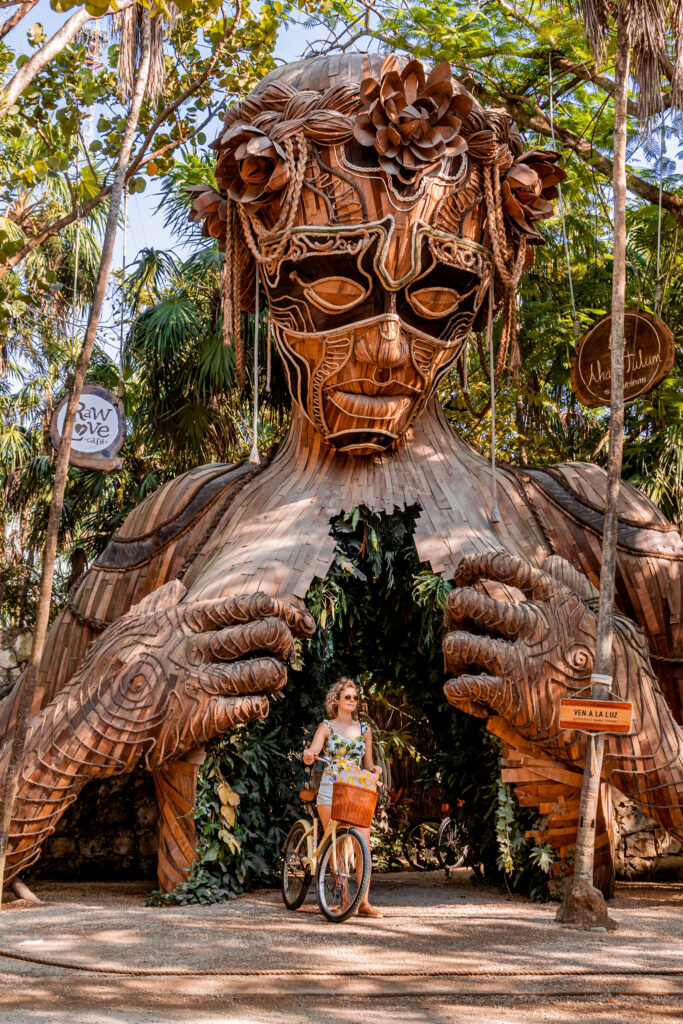
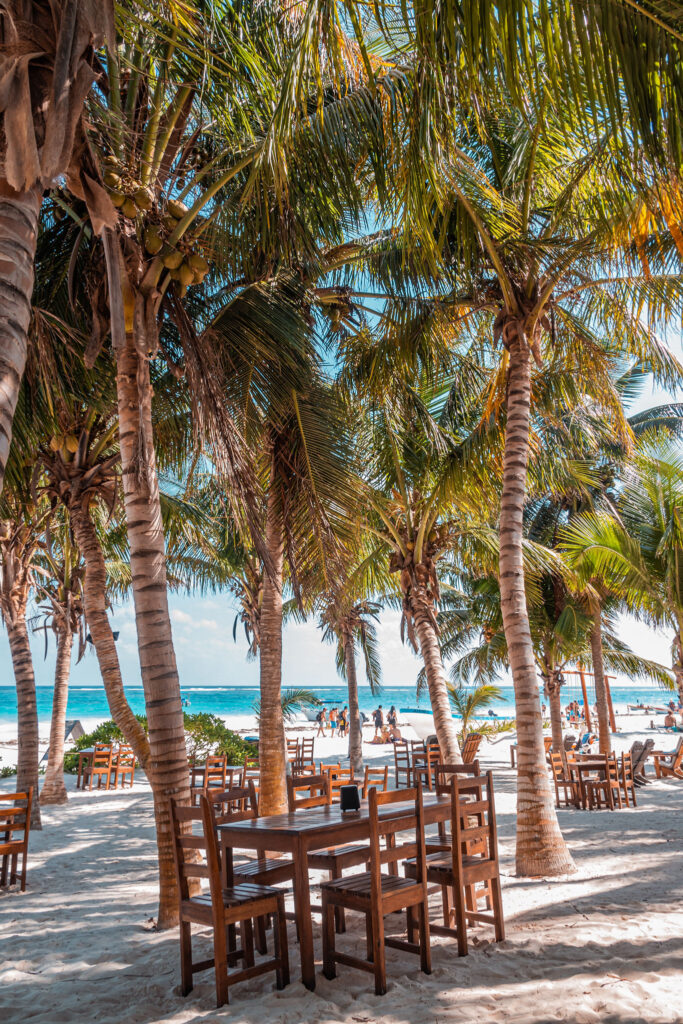
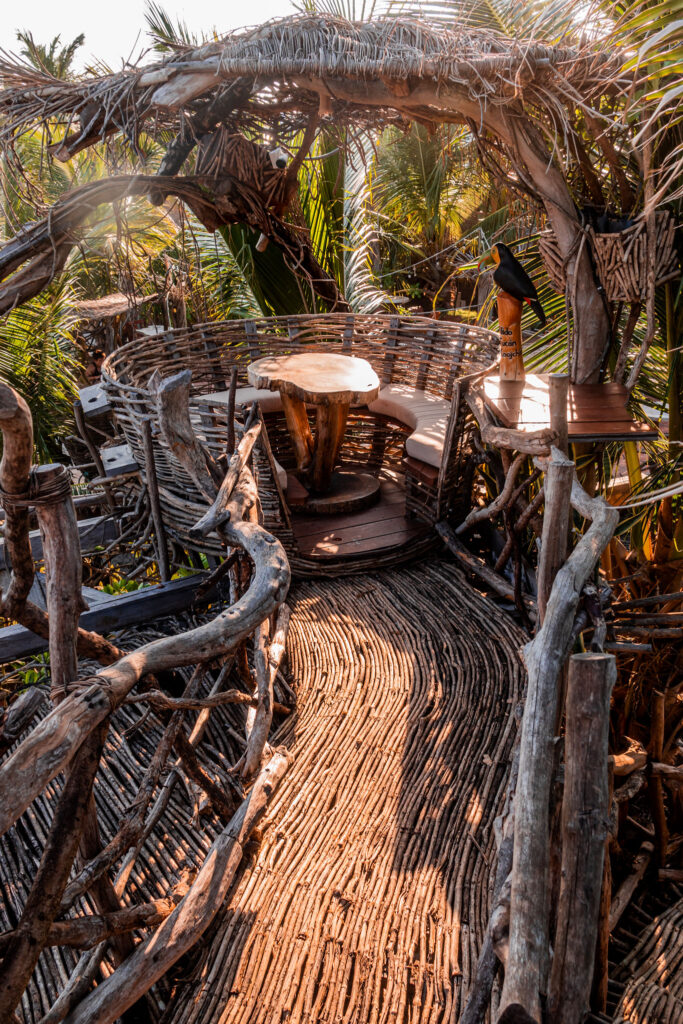
The beach clubs are also genuinely impressive. Whoever is responsible for the interior design scene in Tulum deserves significant recognition, because the aesthetic they've created is unlike anything else. Wooden details, thatched structures, dramatic lighting, lush greenery woven into every corner. Places like Nomade, Azulik, and Coco Tulum are worth visiting just to sit inside them and absorb the atmosphere. If you go, add those to your list alongside Zazilkin at Pescadores Beach, which was a personal favourite.
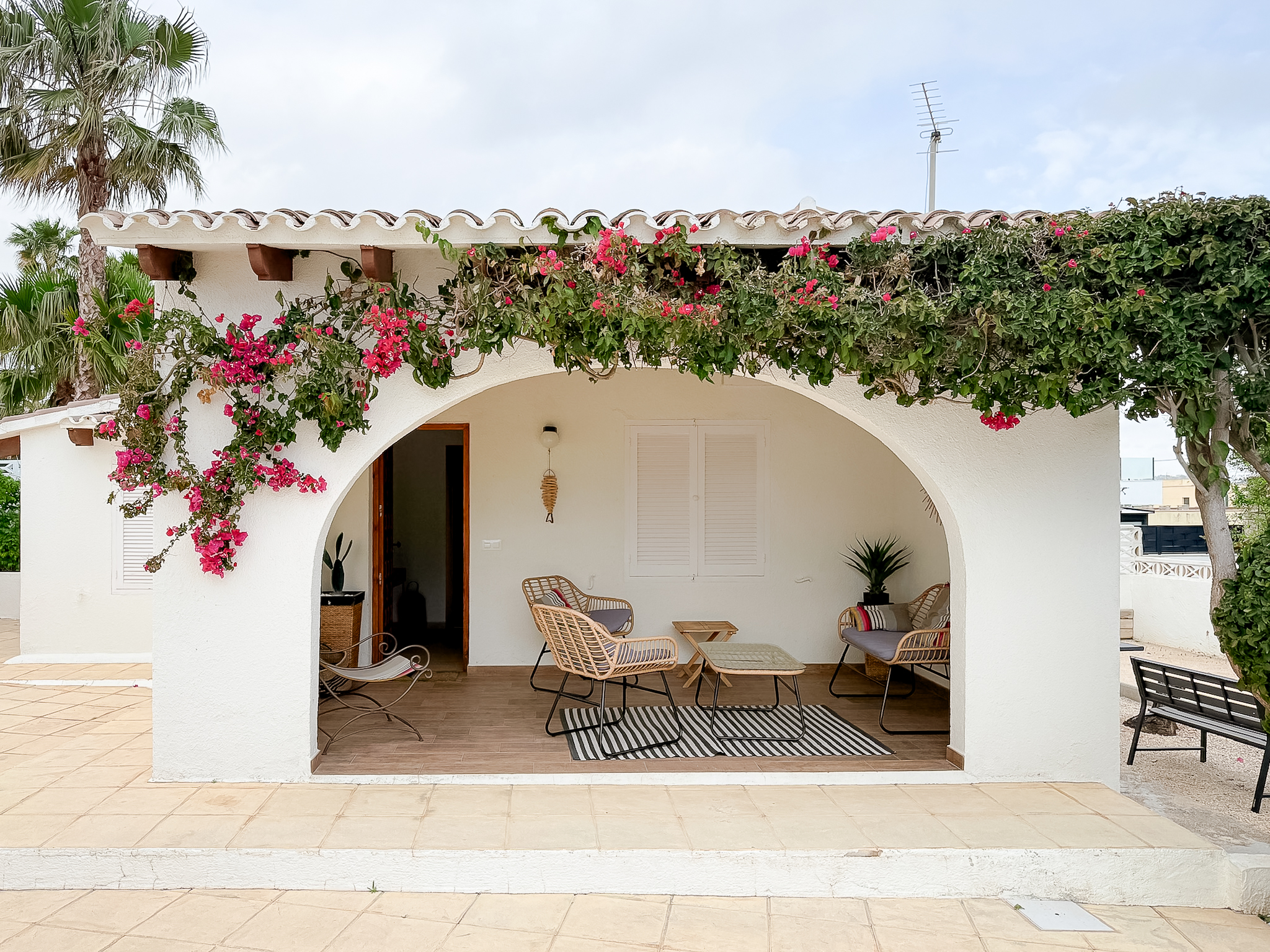
And the overall Tulum aesthetic, that specific visual language of natural materials, earthy tones, and spiritual touches, is genuinely beautiful and completely its own thing. Walking around and just looking at it all is a pleasure. Tulum knows exactly how it wants to look, and it executes that vision with real commitment.
There are also brilliant day trips available from here: the Coba and Tulum ruins, cenotes dotted across the jungle, snorkelling with turtles, and if you're staying nearby, the whole wider Yucatan Peninsula has so much to offer. We stayed at Cachito de Cielo, a stunning jungle lodge just outside Tulum town, and genuinely barely left it for three days, which tells you everything about how good that was. You can read that review here.
The Things That Surprised Us (Not in a Good Way)
Okay. Here's where we get honest.
The price of everything.
I knew Tulum wasn't going to be cheap. What I wasn't fully prepared for was quite how much of a premium you pay for absolutely everything. A coffee that would cost you fifty pence in the rest of Mexico costs three dollars here. A pizza is twenty dollars. A cocktail at a beach club will set you back the equivalent of a full meal elsewhere in the country. This in itself isn't necessarily a dealbreaker if you go in with your eyes open and your budget adjusted accordingly. But it does mean that Tulum is really a destination for people who are happy to spend significantly, and if you're not in that position, the gap between what you can afford and what's around you becomes quite uncomfortable quite quickly.
The hotels in the hotel zone are similarly eye-watering. If you want to stay in the Zona Hotelera in something beautiful, budget accordingly. The experience can be extraordinary, but it comes at a serious cost.
The road situation.
This one genuinely baffled me. Tulum is divided into two distinct areas: Pueblo Tulum, the town, and the Zona Hotelera, the hotel and beach zone at the coast. They're about ten minutes apart by car. And connecting them, serving every hotel, beach club, restaurant, shop, and attraction, is a single road. One road, shared by heavy trucks, SUVs, cyclists, pedestrians, tourist taxis, and anyone else who needs to get from one end to the other.
The road itself is narrow and riddled with potholes that are unkind to hire cars and genuinely hazardous on a bike. It's also unlit after dark, which makes cycling back from the beach in the evening an adventure nobody really needs. On busy days the traffic backs up considerably, and there were moments when it felt genuinely chaotic rather than charmingly busy. It's a significant infrastructure problem for a place that markets itself as a world-class luxury destination.
The safety situation.
I want to handle this carefully, because I don't want to be alarmist, and I had three wonderful weeks travelling through the Yucatan Peninsula without a single problem. Tulum, though, is where that changed. We had a difficult experience there that shook us, and afterwards, comparing notes with other travellers and locals, it became clear that it wasn't an isolated incident.
If you visit Tulum, particularly the Pueblo area, please be mindful of your belongings. Leave the expensive jewellery at home, keep your camera and phone close, and be aware of your surroundings, especially at night. I'm not saying don't go. I'm saying go with your wits about you, which is good advice in any busy tourist destination but feels more pressing here than most places we've visited.
So Should You Go?
Yes, I think so, but with honest expectations rather than Instagram ones.
Tulum is a place of genuine beauty that has also been somewhat overwhelmed by its own mythology. The beaches are real. The aesthetic is real. The magic that people talk about is accessible, but it tends to live in the quieter, more intentional corners of the place rather than on the main beach road. The jungle retreats, the cenotes, the ruins, the early mornings before the crowds arrive: that's where Tulum delivers.
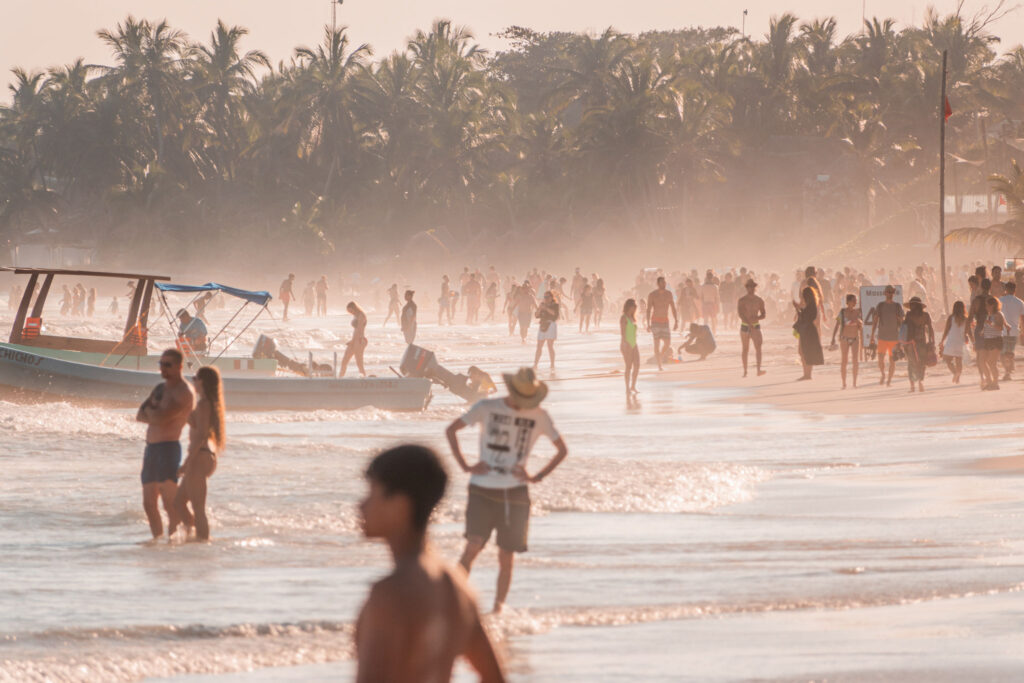
If you go in expecting something raw and perfect and Instagrammable at every turn, you'll likely feel the gap between expectation and reality quite sharply. If you go in knowing it's complicated, knowing it's expensive, knowing it asks something of you in terms of navigating around its less polished edges, you might find something genuinely special in it.
We did, eventually. It just took a bit of adjusting.