
Iceland has a way of making you feel completely underprepared, even if you've travelled a lot. The weather changes in minutes, the terrain is genuinely rugged, and the country has a habit of throwing four seasons at you in a single afternoon. I learned this the hard way, and now I want to save you the same experience.
This is the packing list I wish I'd had before my first trip: everything from the right layers for winter aurora-chasing to the camera gear that does justice to those landscapes. Whether you're going in the height of summer or the depths of December, what you pack genuinely shapes how much you enjoy being there.
You can shop everything mentioned in the Amazon Iceland Packing List if you want it all in one place.
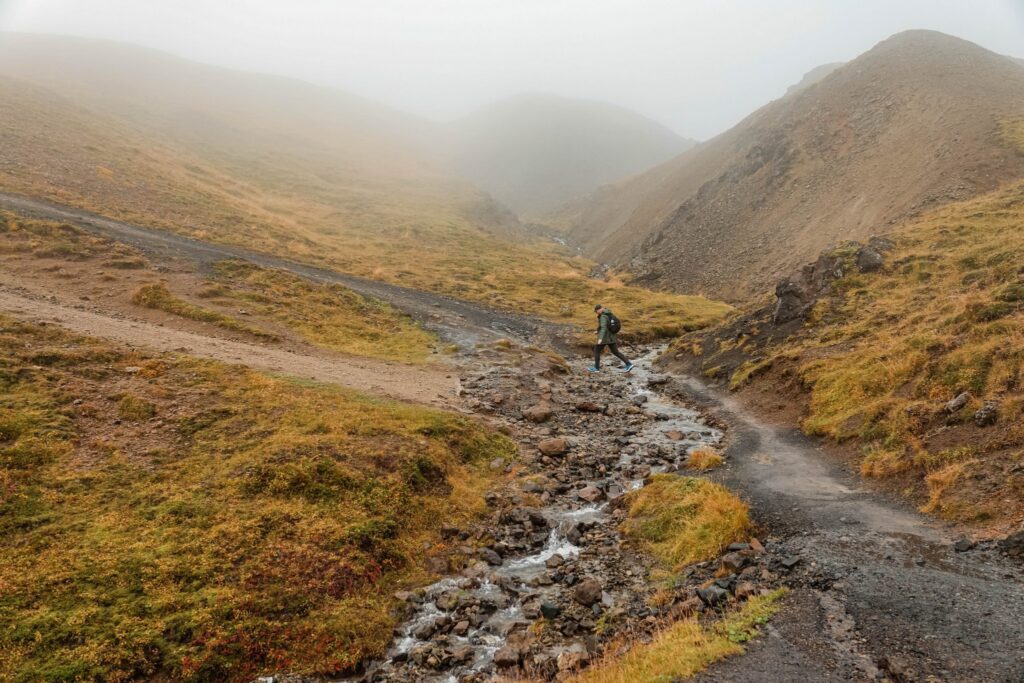
The Essentials: Things That Go in the Bag Regardless of Season
Before getting into what changes by season, a few things belong in every suitcase every single time.
A good fast charging power bank is non-negotiable. Iceland's landscapes demand constant photography and your phone will not keep up with you. A universal travel adapter goes alongside it. The midnight sun is one of Iceland's most magical things in summer, but sleeping through it is less magical, so a 100% blackout sleep mask is genuinely essential from late spring right through to early autumn. Near waterfalls, glaciers, and on boat tours, your camera and phone need a waterproof dry bag to stay safe. And if you've never travelled with packing cubes, an Iceland trip with bulky winter layers is a very good reason to start. Finally, don't overlook a compact head torch: Iceland's winter darkness is something else entirely and you'll want one for anything off the beaten track.
Winter (December to February)
Average daylight: 4 to 7 hours. Average temperature: -1°C to 4°C.
Winter Iceland is extraordinary: snow-covered landscapes, frozen waterfalls, and skies that come alive with the Northern Lights. It's also genuinely cold, and there's no enjoying any of it if you're shivering. The key is layers, and starting with the right base makes everything else work.
Thermal sets or fleece thermals are your foundation. On top of that, a proper waterproof jacket and warm waterproof gloves are essential. For feet, merino wool socks inside waterproof boots with real grip will keep you comfortable on icy pavements and snowy trails. One thing that surprises people: even in winter, UV reflection off snow is strong enough to matter, so SPF lip balm and a light sunscreen still earn their place in your bag.
One tip worth knowing: Icelandic buildings are very warm inside. Layer up rather than packing thick knits, so you can peel off easily when you come indoors.

Spring (March to May)
Average daylight: 10 to 20 hours. Average temperature: 2°C to 10°C.
Spring is when Iceland shakes off the winter and comes back to life. Waterfalls thunder with snowmelt, the puffins return, and roads that were closed all winter reopen. It's a brilliant time to visit, and the ever-changing light is a photographer's dream.
A lightweight softshell jacket handles the changeable weather well without the bulk of full winter gear. Your thermal base layers from winter are still worth bringing because Icelandic spring doesn't mean warmth overnight. Grip matters a lot with all that snowmelt underfoot, so proper waterproof hiking boots are a must. Good polarised sunglasses protect your eyes from bright reflective skies: I've been wearing my favourite Ray-Bans for years, but ZENOTTIC and ATTCL are both great more affordable options.
For the photography side of things, spring light in Iceland is genuinely spectacular. A Sony ZV-1 compact camera is a brilliant travel companion, or if you're shooting on your phone, a DJI Osmo Mobile 7 gimbal makes a real difference to the quality of footage. Stock up on SanDisk 256GB SD cards before you go: Iceland fills memory cards faster than anywhere I've ever been.
Summer (June to August)
Average daylight: up to 21 hours. Average temperature: 8°C to 15°C.
Iceland in summer barely gets dark at all, and the golden light that hangs in the sky at midnight is one of those things you have to experience to believe. The landscape transforms: wildflowers appear, waterfalls are at their most powerful, and you can genuinely hike or explore at any hour.
The blackout sleep mask becomes even more critical here, your body clock will thank you for the 100% blackout option. Breathable thermal underlayers work well for longer hikes when you need warmth without overheating. Iceland's tap water is glacier-fresh and completely safe to drink, so a collapsible water bottle saves both money and plastic. For longer hikes, a running belt keeps your essentials accessible without needing a full backpack. A compact tripod is worth its weight for capturing those extraordinary long-light landscapes without needing someone to hold your phone.
Even in summer, pack layers. Icelandic evenings near the coast or at waterfalls can be surprisingly cold, and you'll regret leaving the extra layer in the camper van.
Autumn (September to November)
Average daylight: 8 to 14 hours. Average temperature: 0°C to 10°C.
Autumn might be Iceland's most beautiful season. The tundra turns amber and rust, the air is crisp, and the Northern Lights start appearing again. It also has the most variable weather of the year, which means your packing needs to cover a lot of ground.
A fleece mid-layer worn under a waterproof shell is the combination that works best. Iceland's showers arrive fast and clear just as quickly, so a compact travel umbrella earns its place in a side pocket. Packing cubes help enormously when you're working with a mix of lighter and heavier layers across one trip. Rechargeable magnetic hand warmers are small enough to slip in a pocket and genuinely make a difference when you're standing outside in the dark waiting for the aurora. And a compact head torch is essential as the evenings get longer and darker.
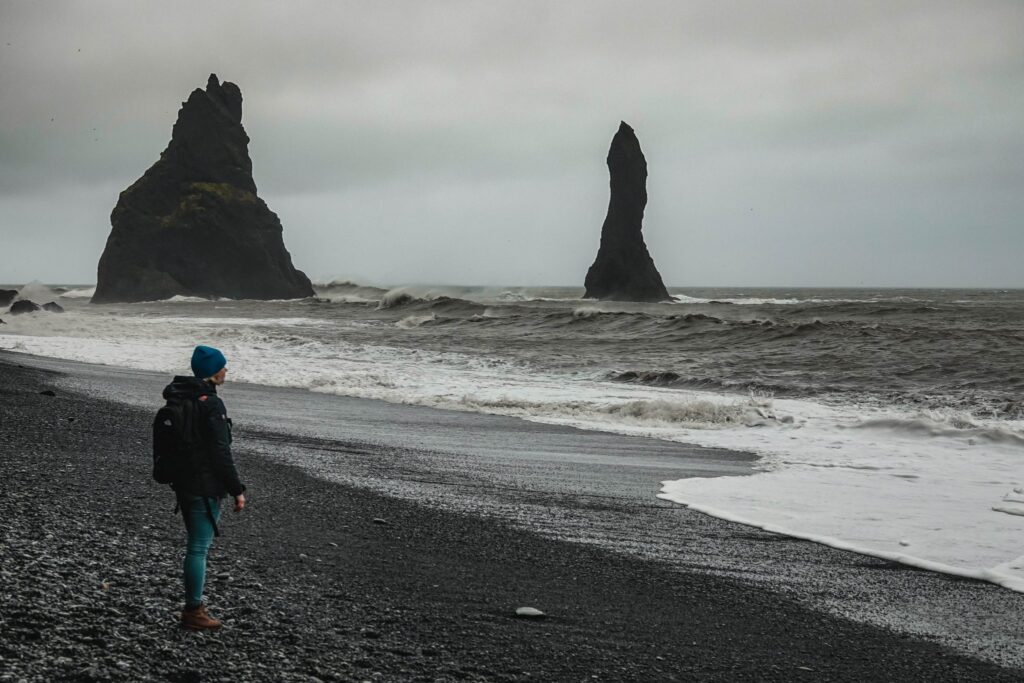
The Jackets Worth Investing In
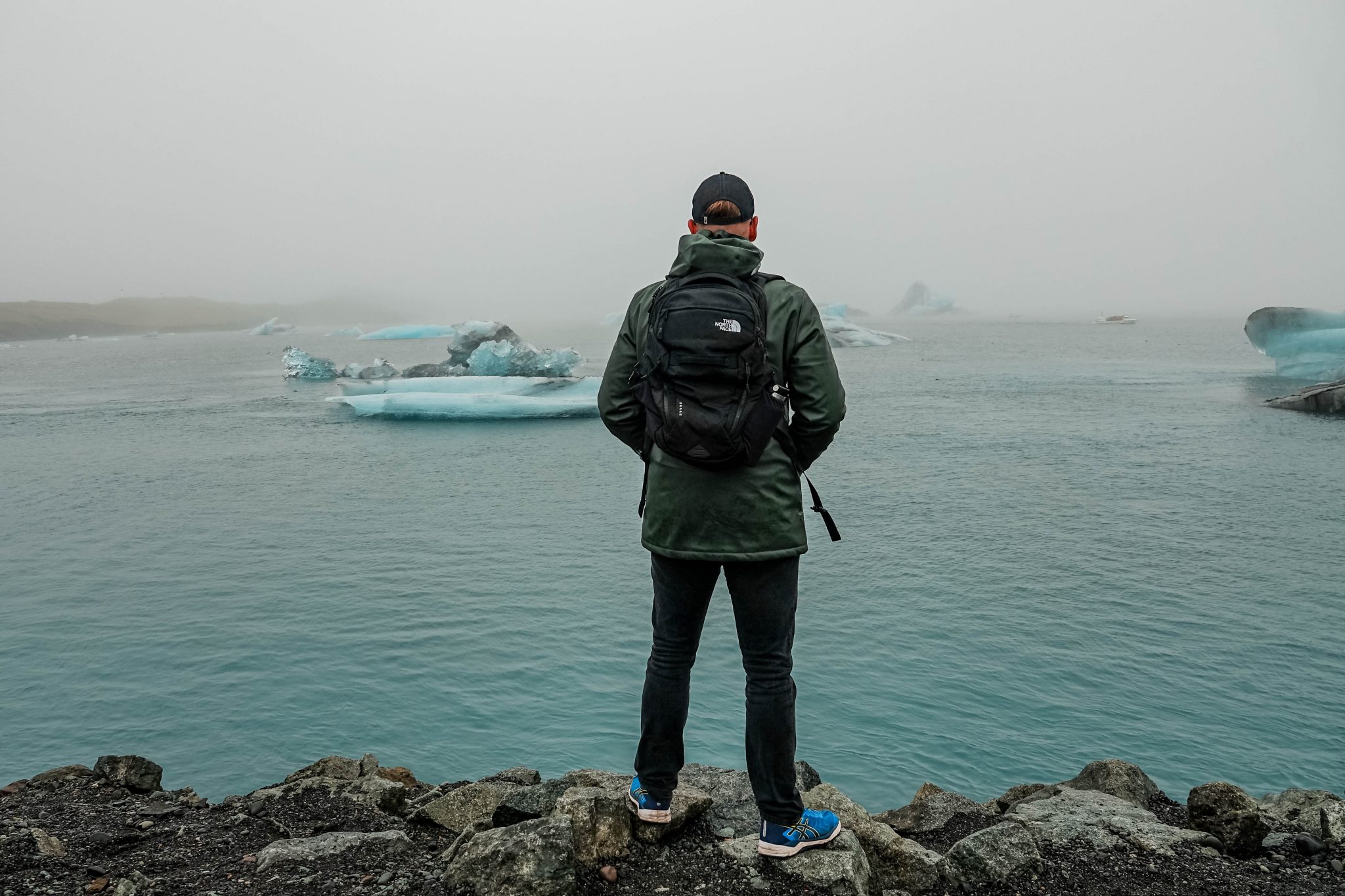
If there's one area of your Iceland kit worth spending properly on, it's your outer layer. The North Face consistently delivers the right balance of warmth, waterproofing, and wearability for this kind of trip, and their jackets photograph beautifully too, which is never a bad thing.
For summer and spring, the Antora Rain Jacket is lightweight and fully waterproof without the bulk. For proper winter conditions and aurora-chasing nights, the McMurdo Parka is serious insulation worth every penny. The Thermoball Eco Jacket sits somewhere in between: packable, warm, and versatile enough for hiking or city days alike.

Final Thoughts
Packing for Iceland is really about being prepared for the extraordinary. The country has a habit of presenting you with something breathtaking just when you think you've seen it all, and the last thing you want is to be too cold, too wet, or too underprepared to fully take it in.
Pack smart, layer well, and let Iceland do the rest. If you want everything in one place, the full Iceland packing list on Amazon has you covered. And if you're still planning the trip itself, my full Iceland road trip itinerary is a good place to start.
Head over to the travel section for more posts like this one.