Is a Luxury Cruise Really Worth the Money? What I Learned After 8 Days on Crystal Symphony
December 3, 2024

It’s the question that stops most people from booking. You’ve seen the photos, you’ve read the itineraries, you’ve probably gasped at the price, and now you’re sitting there thinking, but is a luxury cruise actually worth it? Or am I just paying for a fancier version of something I could get for half the price?
I had exactly the same internal debate before I boarded Crystal Symphony for an eight-day Mediterranean sailing. I’d never been on a cruise before, luxury or otherwise, and the price tag felt like a lot of trust to place in a holiday I wasn’t sure I’d even enjoy. Could a week on a ship really justify that kind of spend when I could book a beautiful hotel somewhere in Europe for a fraction of the cost?
Eight days later, I had my answer. And it surprised me.
Here’s my honest breakdown of what you’re actually paying for when you book a luxury cruise, where the value genuinely is, and where I think you could spend less and not miss much. Because “is it worth it?” isn’t a yes or no question, it depends on what matters to you.

What You’re Actually Paying For (It’s More Than You Think)
The first thing I didn’t fully appreciate before I sailed is how much is included in a luxury cruise fare. With mainstream cruise lines, the headline price is often just the starting point, drinks packages, speciality restaurants, Wi-Fi, and gratuities can add hundreds to your bill before you’ve even left the port.
On Crystal Cruises, the fare covers almost everything:
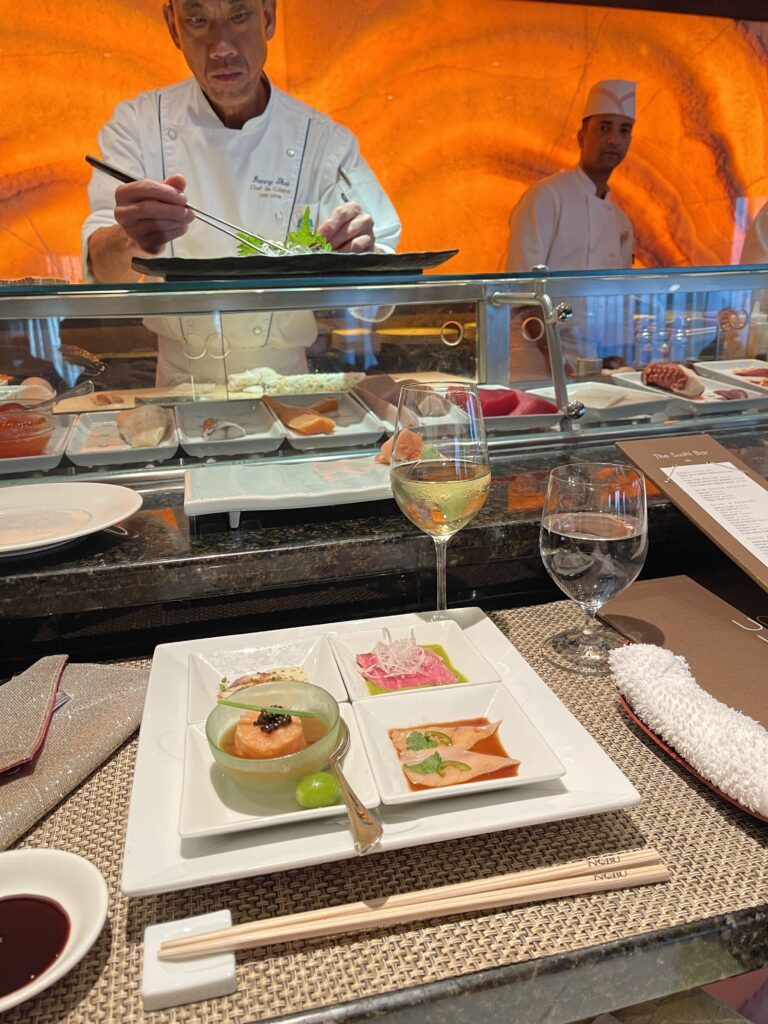
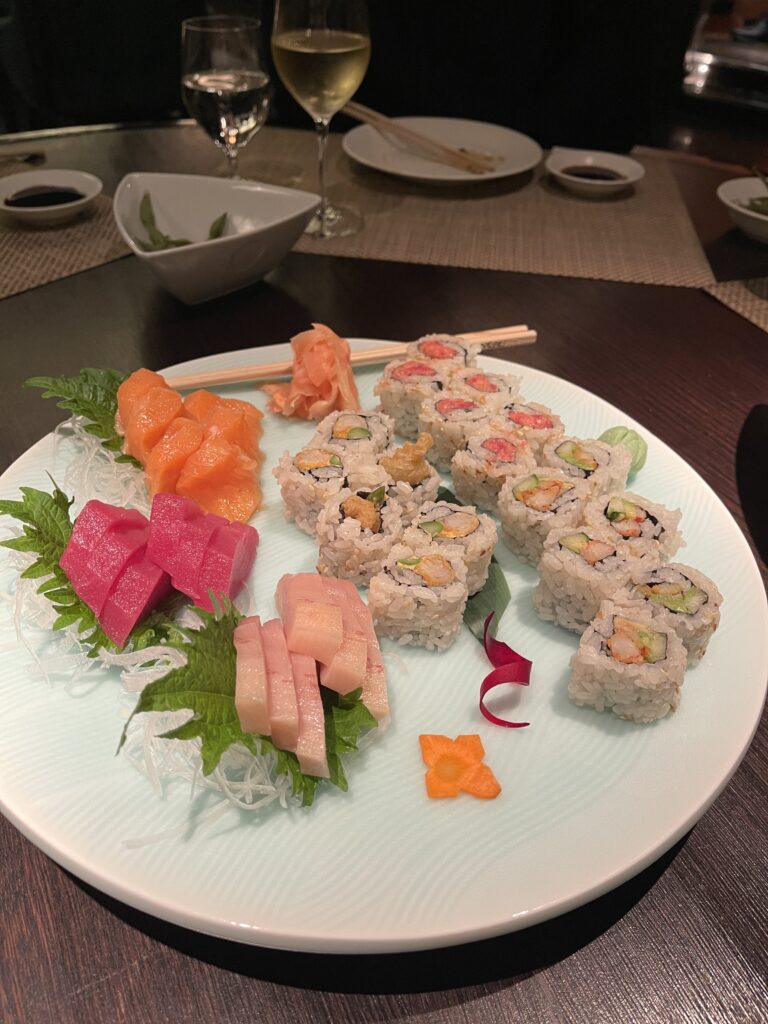
- All dining – every restaurant onboard, including Umi Uma (Nobu at sea), with no cover charges or supplements
- Premium drinks – wines, cocktails, spirits, and soft drinks included throughout the ship, all day (there were a few elaborate whiskys locked in a room near the piano bar that ost extra, but you had to request them)
- Gratuities – already covered, no tipping expected
- Wi-Fi – included as standard
- Room service – from the full restaurant menus, not just a limited late-night card
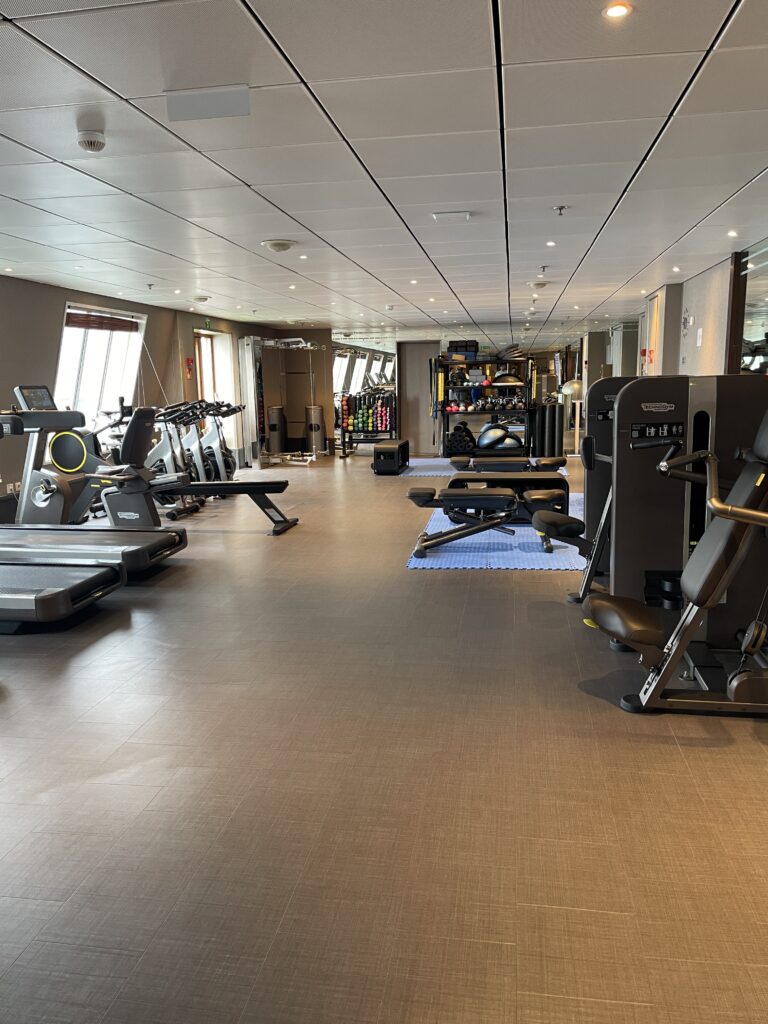
- Fitness classes and spa facilities
- Mini-bar – restocked daily with your preferences
When I actually sat down and worked out what I’d spend on an equivalent week-long holiday, a good hotel, eating out twice a day at decent restaurants, drinks, taxis, activities, tips, the gap between that and the cruise fare was much smaller than I expected. And on the cruise, I didn’t think about money once after boarding. There was no mental arithmetic at the bar, no checking the right-hand side of the menu before ordering, no “shall we just eat in tonight to save a bit?” That freedom is worth more than I realised.
The Things That Justify the Price Tag
The Food
I’ll be blunt: the food on Crystal Symphony was better than most restaurants I’ve eaten at on land. Not “good for a ship”, genuinely excellent.
Umi Uma, the onboard Nobu restaurant, served some of the best Japanese-Peruvian food I’ve ever had. The black cod miso is the dish I still think about months later. The Waterside Restaurant was my go-to most evenings, elegant, consistently brilliant, and the menu changed often enough that it never felt repetitive. Even the casual poolside spot, Trident Grill, did a properly good burger.
On a regular holiday, eating at that level every night would cost a fortune. On Crystal, it was all included. That alone shifted the value equation for me significantly.
For the full restaurant-by-restaurant breakdown, including the one place that didn’t quite deliver, head to my complete Crystal Cruises review.
The Service
This is the thing that’s hardest to quantify but easiest to feel. The crew on Crystal Symphony knew my name by day two. They remembered my drink order, iced coffee during the day, an amaretto sour at night. My butler (yes, a personal butler, I know) learned my preferences and anticipated what I wanted before I asked for it. Fresh canapés in the room every evening, the mini-bar stocked with my favourites, the option to dine on my private balcony whenever I fancied it.
The whole atmosphere onboard was warm rather than formal. Attentive without being hovering. Professional but genuinely friendly. It’s the kind of service that makes you feel looked after in a way that a hotel, no matter how nice, rarely manages, because the staff on a ship are with you for the entire trip, not just a check-in and a checkout.
The Convenience
Here’s something I massively underestimated: the sheer ease of a cruise holiday. You unpack once. You wake up somewhere new every morning. You don’t book taxis, you don’t navigate foreign train systems, you don’t check out of one hotel and lug your suitcase to another. You just… exist. And when you come back from a day exploring Rhodes or Athens or Crete, your room is spotless, your bed is made, and someone’s left you a snack.
For couples especially, that lack of logistics is transformative. There’s no bickering over Google Maps, no “we need to leave for the airport at 4am” stress. The entire mental load of travel disappears, and what’s left is just quality time together.
The Cabin
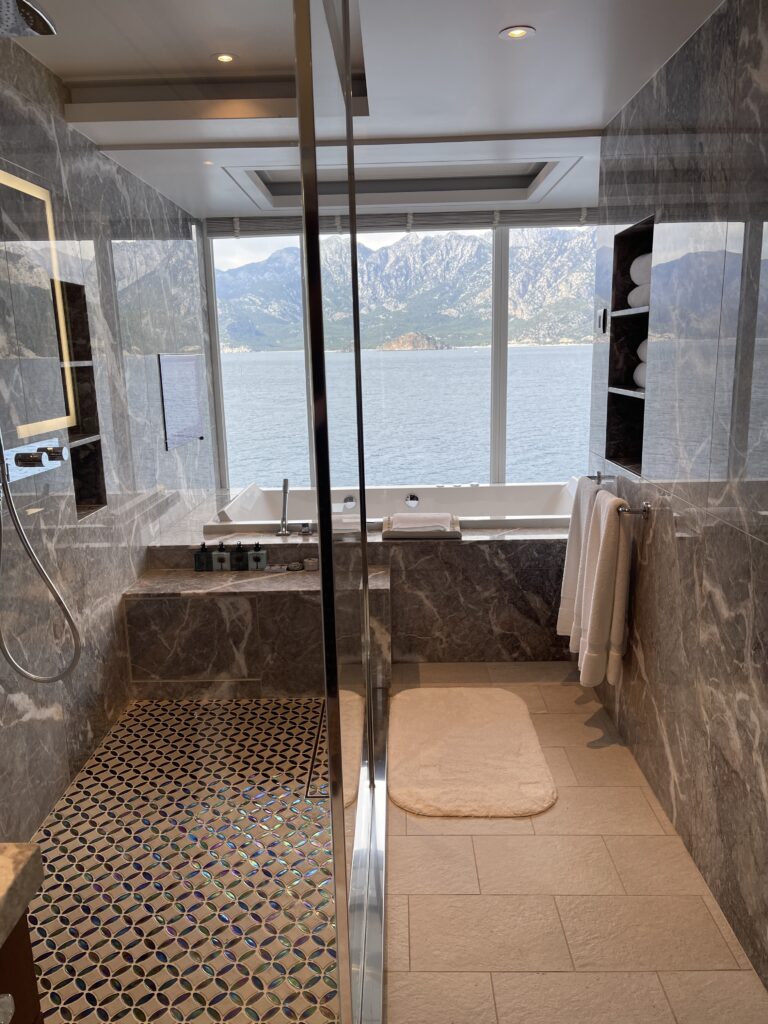
I stayed in a Sapphire Veranda Suite, which is by no means the cheapest option, but the private balcony was genuinely the highlight of my trip. Morning coffee watching an island appear on the horizon. Wine at sunset. Reading a book in the afternoon with nothing but sea in every direction. A balcony transforms a cruise cabin from “a place to sleep” into “a place you actively want to spend time,” and I’d recommend it to anyone, on any cruise line.
Where You Could Spend Less (and Probably Not Miss Much)
In the spirit of being genuinely useful rather than just telling you everything is wonderful, here are the areas where I think the luxury premium matters less:
Shore excursions. Crystal offers organised excursions at each port, but honestly, I preferred exploring independently, and it was significantly cheaper. A wander through Rhodes Old Town or a self-guided afternoon in Athens costs next to nothing and gives you the freedom to go at your own pace. Unless you’re somewhere where logistics are genuinely difficult (think remote ports or places where you need a guide), I’d save your money here and explore on your own.
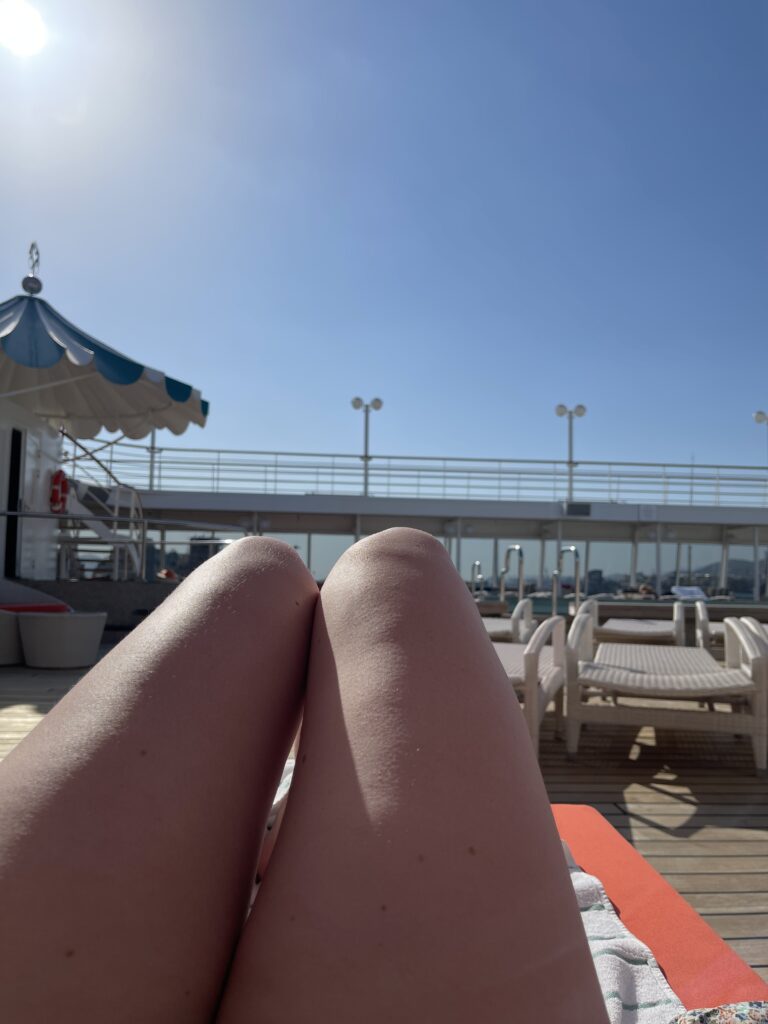
The spa. The facilities were lovely, and I used the gym and the pool regularly. But the premium spa treatments felt like an area where you’re paying luxury-on-top-of-luxury prices. If budget is a consideration, skip the spa menu and spend that money on a cabin upgrade instead. The balcony will give you more joy per pound than a massage, I promise.
Formal nights. Crystal has a dress code on certain evenings, and some people invest in new outfits for these. You really don’t need to. Smart-casual works perfectly well, and nobody is scrutinising your wardrobe. Don’t let the formal night thing put you off or cost you money it doesn’t need to.
Luxury Cruise vs. Luxury Hotel: How Does the Cost Actually Compare?
This is the comparison most people are really making in their heads, so let me lay it out.
A week in a genuinely nice hotel in the Mediterranean, let’s say a boutique four-star in Santorini or the Amalfi Coast, might cost you £150-250 per night for the room. Add breakfast and dinner at good restaurants (£80-120 per day for two), drinks (£30-50 per day), activities and transport between destinations (variable, but let’s say £50-100 per day), and you’re looking at roughly £300-500+ per person, per day for a holiday that covers one destination.
A luxury cruise like Crystal, where the fare includes your cabin, all meals at multiple restaurants, premium drinks, entertainment, transport between six or seven destinations, and personal butler service, works out at a comparable daily rate, sometimes less, and you’re seeing half a dozen places instead of one.
The cruise won’t give you the deep immersion of spending a full week in one place. That’s a genuine trade-off. But in terms of pure value-for-money when you factor in everything that’s included? A luxury cruise is a much stronger proposition than most people assume.


Crystal Cruises Pros and Cons: The Honest Summary
What I loved:
- The food, especially Umi Uma, genuinely world-class
- Butler service and the overall standard of personal attention
- The all-inclusive pricing that means you never think about money onboard
- The Sapphire Veranda Suite and that private balcony
- The intimacy of a smaller ship, no crowds, no chaos
- Waking up somewhere new every morning without any effort
What I’d flag:
- Osteria d’Ovidio was the weakest restaurant, not bad, but noticeably below the others
- Organised shore excursions were limited on my sailing (though this may vary)
- The dress code on formal evenings might not suit everyone’s style
- It’s still a significant upfront cost, even if the daily value is strong

So… Is a Luxury Cruise Worth the Money?
Here’s where I’ve landed, and I think this is the most honest answer I can give you: a luxury cruise is worth the money if you value experiences over things.
If you’re the kind of person who’d rather have an incredible meal than a designer handbag, who gets more joy from watching the sunset over the Aegean than from a shopping spree, who defines luxury as feeling properly relaxed and genuinely looked after, then yes. Absolutely. A luxury cruise is one of the best ways to spend your holiday budget.
It’s not the cheapest option. But it might be the most complete one. You’re not just paying for a room or a flight or a meal, you’re paying for all of it, woven together into something that feels seamless and special and entirely free of stress.
I went onboard Crystal Symphony as someone who’d never been on a cruise and wasn’t sure I’d enjoy it. I left as someone who immediately started researching the next one. If that’s not a recommendation, I don’t know what is.
Leave a Reply
The Sunday Letter
Most Sundays, once the house has gone quiet and it's edging towards nine, a letter goes out. It's the one I'd write to a friend with good taste and not nearly enough time: one thing worth reading, one thing worth buying, and one thing to skip. No noise, no pressure to spend, just the considered version of what I've actually been using, loving, or quietly sending back.
If you like the sort of recommendation that still holds up six months later, leave your email below and I'll write to you on Sunday.