Athens and the Greek Islands: The Trip That Lives Up to Every Expectation

Some destinations carry such a weight of expectation that you half-wonder whether the reality can possibly match it. Greece is one of those places. The photographs are so familiar, so universally circulated, that you might worry it will feel like visiting a postcard rather than a real place. It doesn't. Greece is one of those rare destinations where the reality is actually better than the image, and that is not something you can say about many places.
This is a guide to two very different but complementary ways of experiencing Greece: a city break in Athens, and a week sailing through the lesser-known Cyclades islands. Together, they make for one of the most memorable and varied travel experiences imaginable, and one that works beautifully whether you're travelling as a couple, with family, or in a small group.
Athens: Where to Begin
Athens is one of the world's oldest cities and it carries its history in a way that very few cities do. You don't have to seek the history out here. It finds you. Ancient ruins sit alongside modern apartment buildings. The Acropolis presides over the entire city from its hilltop, visible from rooftops and street corners across the urban sprawl below. Walking through central Athens is a constant negotiation between the ancient and the contemporary, and it is endlessly fascinating.
Four days is a good amount of time to explore Athens properly without feeling rushed. Renting an apartment in a central neighbourhood rather than a hotel suite is worth considering if you're travelling with more than two people: it gives you more space, the ability to shop at local markets and eat breakfast at home, and a more genuinely Athenian way of experiencing the city. Staying centrally means most sites are walkable, and Athens rewards walking more than almost any other city.
The metro is clean, efficient, and easy to navigate once you've used it once. Taxis are another option, though worth knowing they typically only take four passengers, which can be inconvenient for larger groups.
The Acropolis and the Parthenon
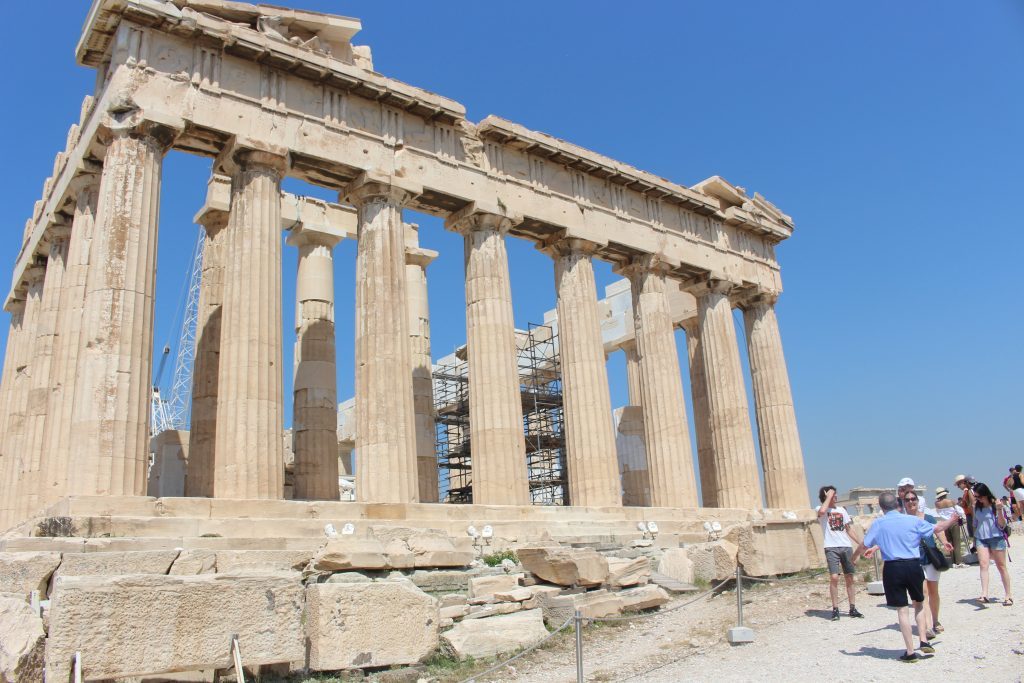
The Acropolis is the obvious starting point and there is no point trying to be clever about this. It is the most significant archaeological site in Athens, possibly in Europe, and it is extraordinary. The Parthenon, the temple dedicated to the goddess Athena that has presided over this hill since the 5th century BC, is one of those things that no photograph adequately prepares you for. The scale, the age, the sheer physical presence of it, hits differently in person.
The climb up is a proper effort, particularly in summer heat. Wear comfortable shoes with a decent grip as the ancient marble pathways are smooth and can be slippery. Bring water, a hat, and high-SPF sunscreen. The site is largely exposed and the Greek sun is relentless. Early morning is the best time to visit, both for the cooler temperatures and the smaller crowds.
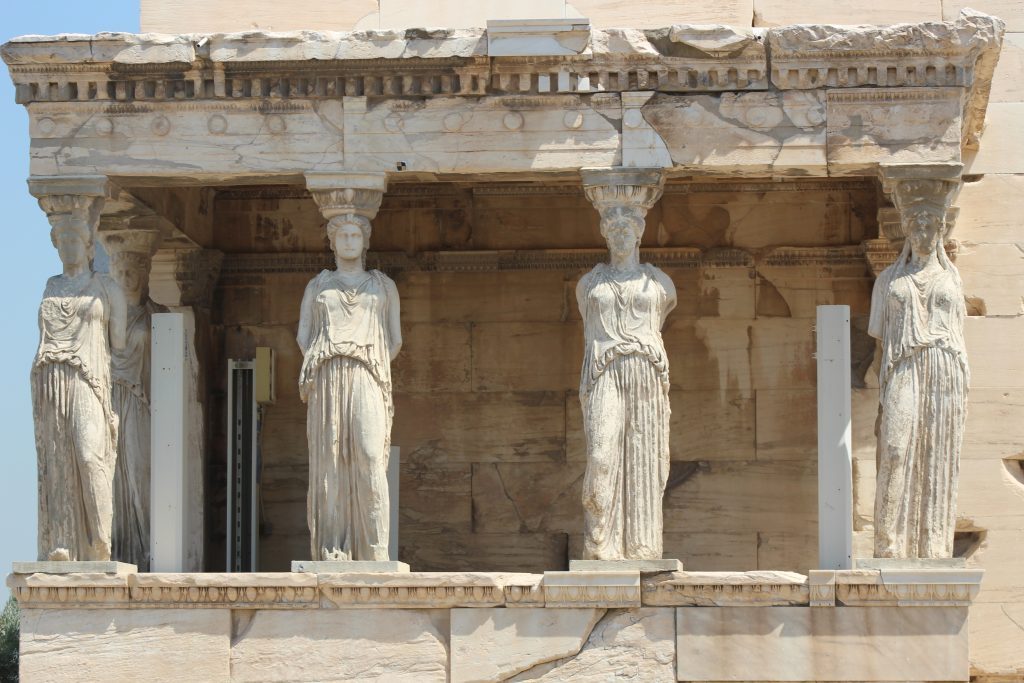
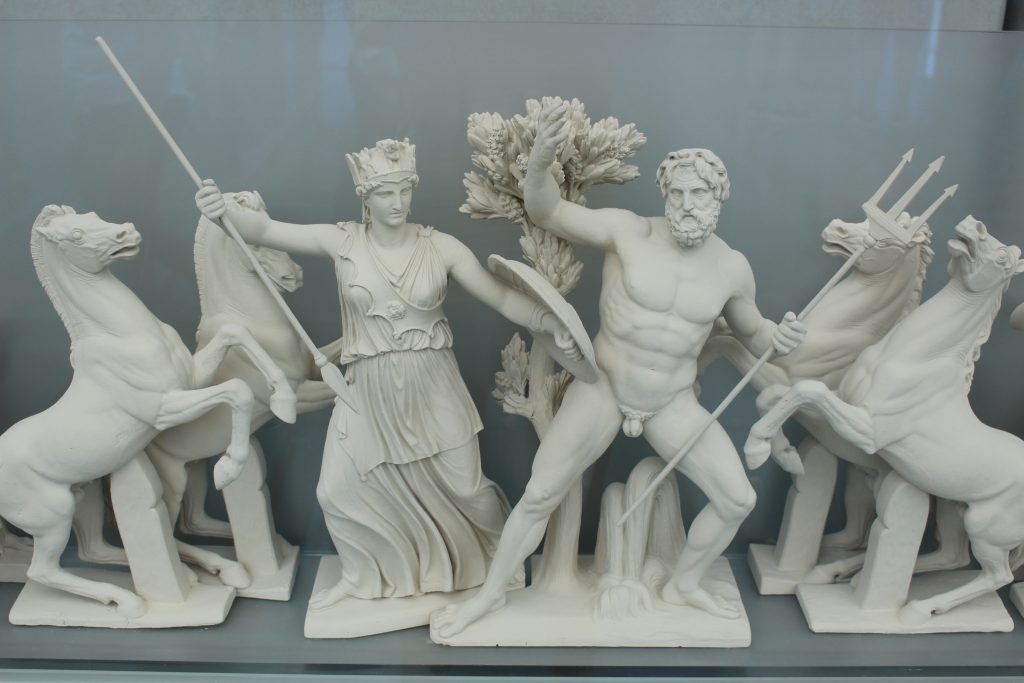
Buy tickets in advance online to avoid the queues at the entrance, which can be significant in peak season. The Acropolis Museum, located at the base of the hill, is a separate visit and absolutely worth including. It houses virtually every artefact recovered from the site in a beautifully designed building, with sections of the glass floor revealing live archaeological excavations taking place beneath your feet. It is genuinely one of the finest museums in Europe and a wonderful way to understand the context and significance of what you've seen on the hill above.
The Plaka
The Plaka is the oldest neighbourhood in Athens, situated at the foot of the Acropolis, and it is where you'll want to spend a good portion of your daytime hours when not at archaeological sites. Known historically as the “neighbourhood of the gods,” it is a labyrinth of narrow cobbled streets lined with traditional houses, open market shops, tavernas, and cafes, almost entirely car-free and enormously pleasant to wander.
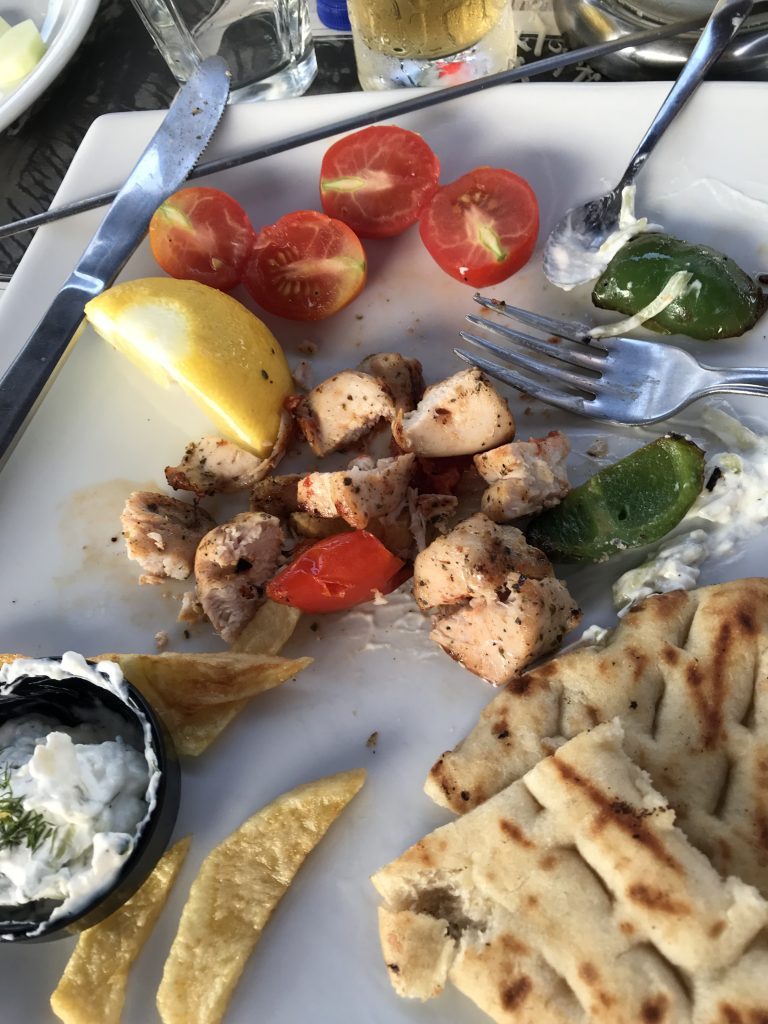
The shopping here is the best in Athens for anything distinctively Greek: handmade sandals, ceramics, olive wood products, jewellery, and textiles. The restaurants range from very good to excellent, and eating in the Plaka at lunch rather than dinner generally means better value and a more local atmosphere. Order the moussaka, the spanakopita, the tzatziki. Order whatever the kitchen tells you is good today. The food in Athens is wonderful and remarkably affordable by European standards.
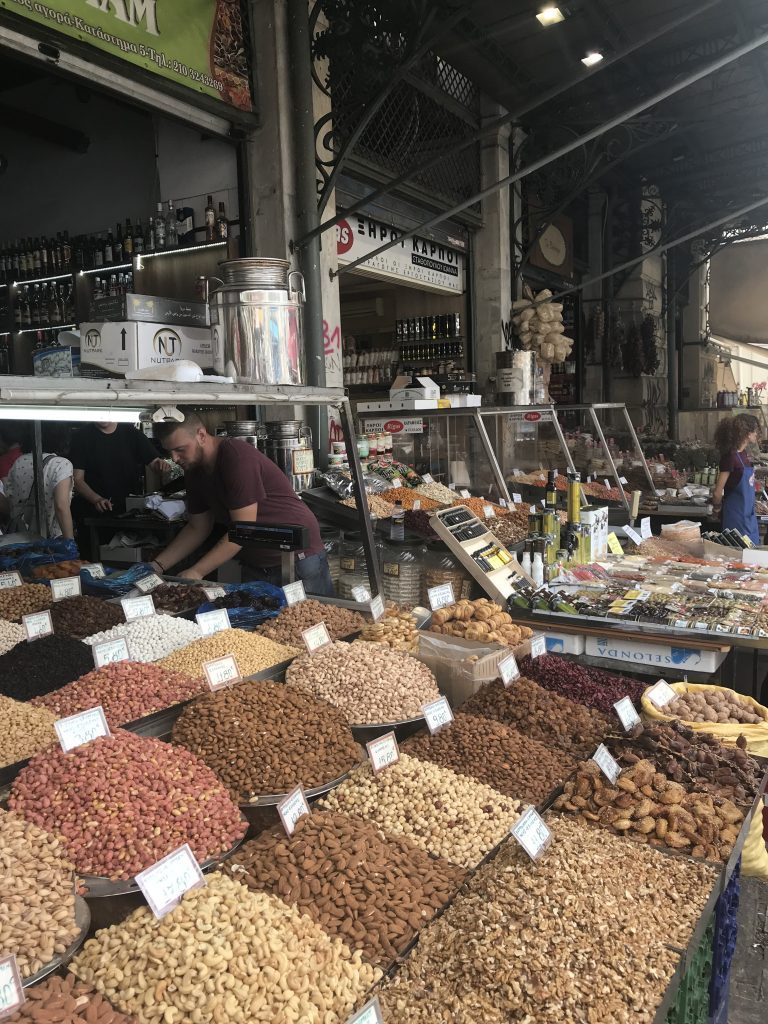
A Day Trip to Delphi
If your time allows even one day trip from Athens, make it Delphi. The site is about two hours from the city by bus or car, set high in the mountains of central Greece with views across the olive-covered valley below that are almost impossibly beautiful. Delphi was considered by the ancient Greeks to be the centre of the world, the site of the Oracle of Apollo, whose prophecies shaped the decisions of kings and city-states across the ancient Mediterranean world. The archaeological site is extensive and evocative, and the accompanying museum is exceptional. A guided tour is worth taking as the historical and mythological context transforms the ruins from beautiful to genuinely thrilling.
A Greek Dancing Lesson: The Unexpected Highlight
One activity worth seeking out in Athens that might not immediately occur to you is a traditional Greek dancing lesson. These are available as guided excursions through various tour operators and make for one of the most joyful, laughter-filled evenings you can have in the city. A dance teacher takes you through dances from different regions of Greece, the whole thing has a wonderfully communal energy, and it is followed by a neighbourhood tour and a sunset dinner that rounds out the evening beautifully. It's the kind of experience that feels genuinely local rather than performative, and the memories tend to outlast any museum visit.
Sailing the Cyclades: The Second Week
After several days in Athens, transitioning to a week at sea through the Cyclades islands is one of the great travel contrasts. From ancient ruins and city energy to open water, white-washed villages, and the particular rhythm of island life. It is a combination that works perfectly.
Chartering a sailing boat through the Cyclades is more accessible than many people assume. Crewed charters, where a captain and in many cases a partner handle all the sailing and cooking while you simply enjoy the experience, are available at a range of price points and provide a genuinely extraordinary way to see the islands. The sailing distances between the western Cyclades are manageable (typically three to six hours between islands), the Aegean in summer is reliably beautiful, and stopping in a hidden cove for a swim mid-passage is one of those simple pleasures that never gets old.
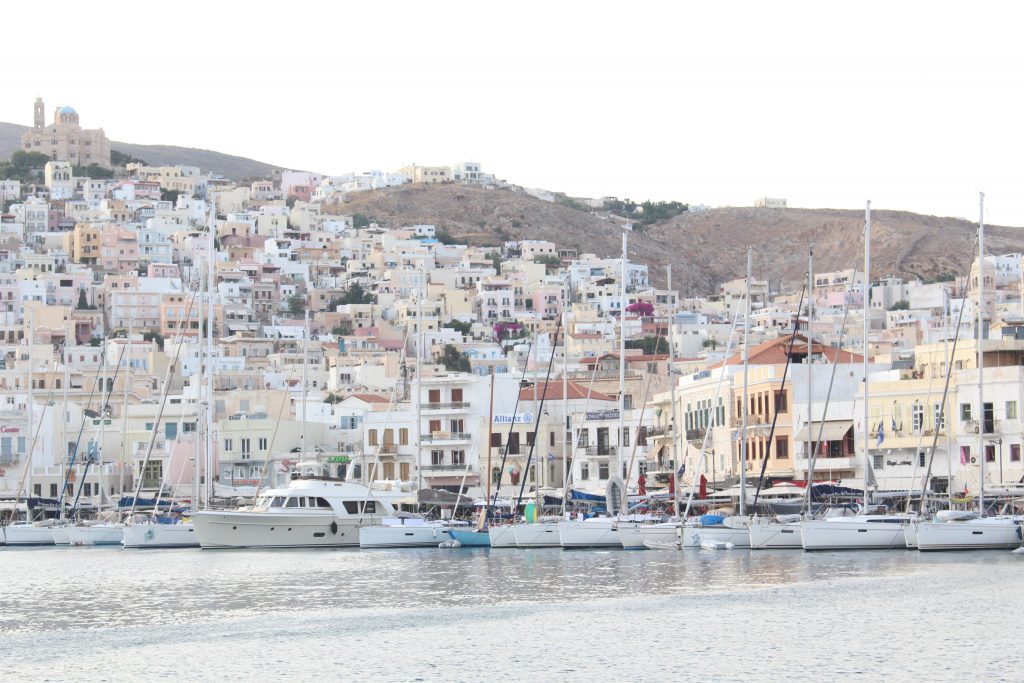
The western Cyclades, specifically Kythnos, Serifos, Sifnos, and Syros, are among the less visited of the island group and are better for it. These are the islands that people who know Greece well tend to love, where the tourists are fewer, the tavernas are more authentic, and the pace of life feels genuinely unhurried.
If you're weighing up whether to see Greece this way versus a cruise itinerary, both offer something different. A sailing charter gives you flexibility and intimacy that a larger ship can't replicate. For a broader overview of how cruising through Greece compares as an experience, my Ultimate Crystal Cruises Review goes into considerable detail on what to expect from a luxury cruise in this part of the world.
The Islands: What Each One Offers
Kythnos
Kythnos is the kind of island that feels like a reward for those willing to look beyond the famous names. It is calm, relatively undeveloped, and strikingly beautiful. The island is known for its 65 beaches (an extraordinary number for an island of its size), its thermal springs at Loutra, and Kolona Beach, a remarkable 240-metre sandbar that connects the main island to a small inlet and creates what is effectively a double-sided beach with the sea on both sides. Walking along it feels like something from a dream. The main town, Chora, sits above the port and is all white cubic architecture, blue-domed churches, and winding lanes that reward slow exploration.
Serifos
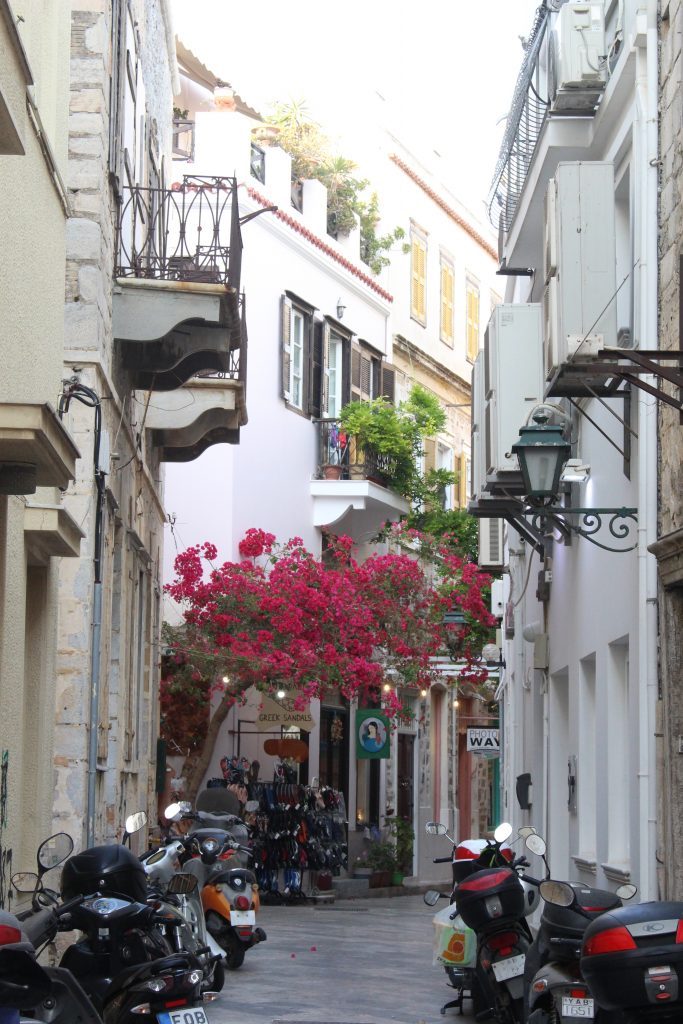
Serifos is the dramatic one. Where Kythnos is gentle and welcoming, Serifos is mountainous and striking, the kind of island that announces itself from the sea with immediate visual impact. The Chora sits high on a hilltop above the port of Livadi, its white and blue Cycladic architecture tumbling down the hillside in a way that is the quintessential image of the Greek islands made real. The hike up from the port to the Chora is worth every step for the view. The tavernas along the port are excellent, the swimming is clear and beautiful, and the island has a genuinely unbothered quality that comes from not being on the main tourist circuit. Of all the islands visited on a western Cyclades route, Serifos tends to be the one people talk about most.
Sifnos
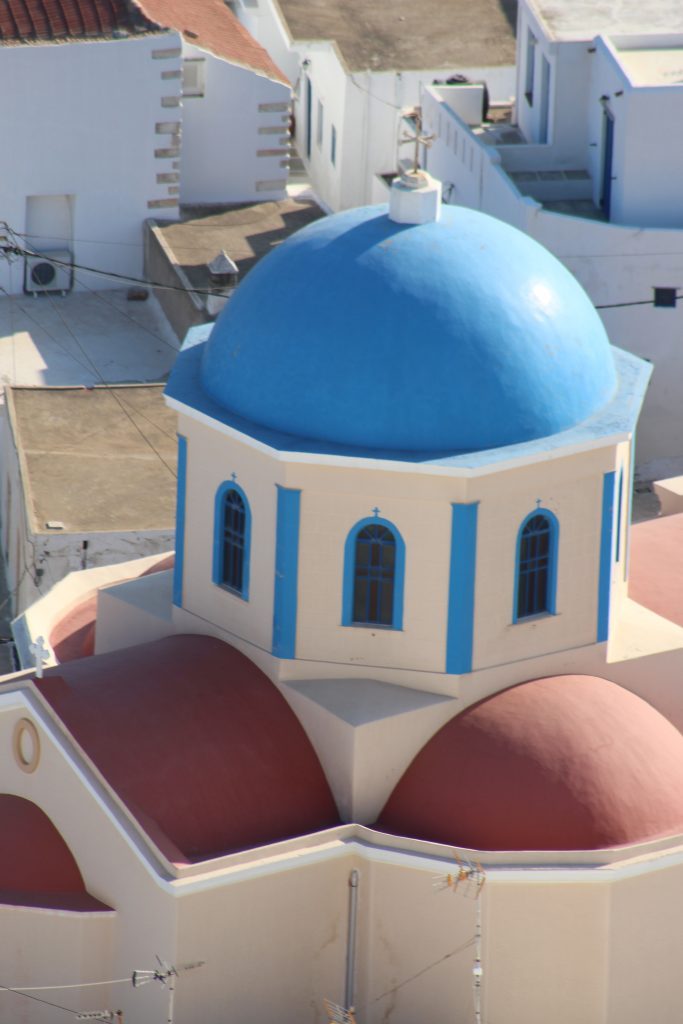
Sifnos is known across Greece for its food, which alone makes it worth visiting. The island has a culinary tradition that punches well above its weight, with an extraordinary number of good restaurants relative to its size and a local cooking culture centred on slow-cooked dishes from the earthenware pot. The port at Kamares is charming, and the village of Kastro, an ancient fortified settlement on a clifftop overlooking the sea, is one of the most beautiful spots in the Cyclades. The beaches at Platis Gialos and Vathi are excellent swimming spots, and the general pace of the island is one of the most enjoyable in Greece.
Syros
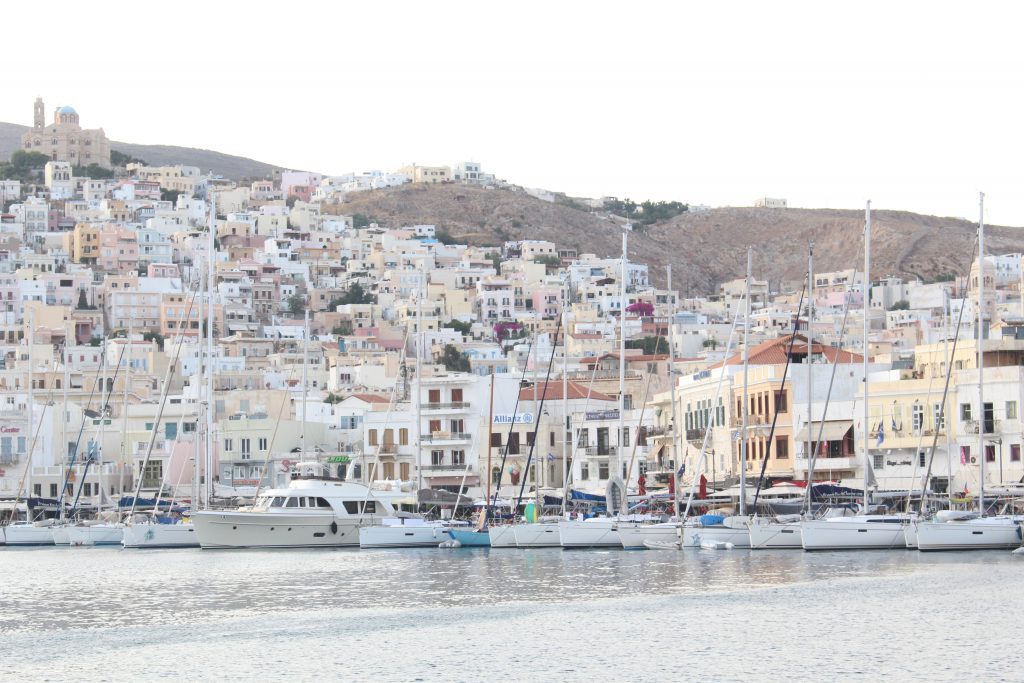
Syros is the administrative capital of the Cyclades and the largest and most cosmopolitan of the four. Ermoupoli, the island's main town, is architecturally unlike anything else in the Cyclades, with its grand neoclassical buildings, elegant squares, and Venetian-influenced streets reflecting the island's prosperous 19th-century commercial history. It is a proper town with good restaurants, museums, and a lively waterfront. Syros also produces loukoumi, the Greek version of Turkish delight, flavoured with rosewater and pistachios, which is a local speciality worth seeking out before you leave.
Life Aboard a Sailing Charter
For anyone who hasn't experienced it before, a week on a crewed sailing charter has its own particular rhythm that takes a day to settle into and then becomes deeply enjoyable. Days are structured around the sailing passages, the mid-passage swim stops in sheltered coves, and the arrival at each new island. Breakfasts and lunches on board, evenings ashore exploring each port, trying the local taverna, and watching the sun go down over the Aegean.
The simplicity of it is part of the appeal. There is nowhere to be except where the boat takes you. No schedule beyond the tides and the wind. It is a genuinely restorative way to travel, and one that combines adventure with a quality of rest that ordinary holidays rarely provide.
If you're new to sailing trips or curious about how the experience of crewed travel compares across different formats, it's worth reading about whether luxury cruising is worth it as context for thinking about what kind of sea travel suits you. And if you've never sailed or cruised before, what I wish I knew before my first cruise is a useful read before you commit to anything.
Practical Tips for Greece
The best time to visit: May, June, and September are the sweet spots. The weather is warm, the sea swimmable, and the crowds significantly more manageable than in July and August. The Meltemi, a strong northerly wind, blows through the Cyclades at its most forceful in late July and August, which can affect sailing conditions, so factor this into planning if you're considering a charter.
Getting around Athens: Walk wherever you can. The metro covers what walking doesn't. For day trips like Delphi, organised bus tours depart from central Athens and include transport, entry, and guiding in one price.
Eating and drinking: Greek food is exceptional and, by western European standards, extremely good value. Seek out the smaller neighbourhood tavernas rather than the obvious tourist-facing restaurants on main squares. Order the house wine without overthinking it. Try the local cheeses, the fresh seafood wherever you are near the coast, and the pastries from bakeries rather than tourist shops.
Booking the Acropolis: Buy tickets online in advance. This is not optional advice, particularly in peak season. The queues at the gate are long and the site is worth your full energy, not the tail end of it after a 45-minute wait.
On the islands: Cash is useful as not all small tavernas and local shops take cards. Bring comfortable walking shoes as most island Choras involve significant cobbled uphill walking. And allow more time than you think you need in each place, because the instinct to see more is frequently at odds with the reality that what you actually want to do is sit with a coffee and look at the view for longer than seems entirely reasonable.
Language: English is widely spoken in Athens and in tourist areas of the islands. A few words of Greek (kalimera for good morning, efharisto for thank you) go a long way in terms of warmth from locals.
Why Greece Works So Well as a Combination Trip
The particular magic of pairing Athens with a sailing week through the islands is the contrast. Athens is intense, layered, historically overwhelming in the best possible way. The islands are the opposite: simple, beautiful, governed by the sea and the sun. Moving from one to the other gives you the full range of what Greece has to offer, the civilisational depth of the mainland and the ease and beauty of island life, within a single trip.
It is one of those itineraries that satisfies multiple kinds of traveller simultaneously. Those who want culture, those who want relaxation, those who want adventure, those who want extraordinary food and beautiful scenery. Greece, done this way, gives you all of it.
It is also, if you'll allow the observation, the kind of trip that makes you understand immediately why people return to Greece again and again throughout their lives. Once is never quite enough.
Looking for more travel inspiration? Read our guides to South Africa, Cape Town, Exuma in the Bahamas, and Havana, Cuba.





great article. good work
keep posting useful article like this