Cape Town with Kids: A Family Travel Guide to South Africa’s Most Beautiful City
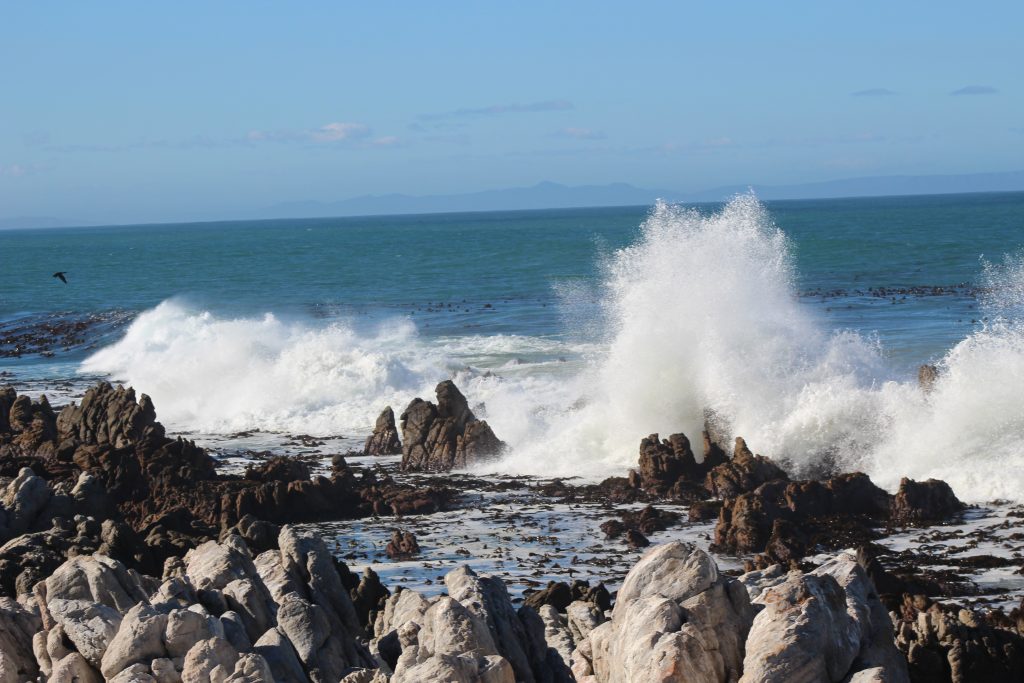

If you've ever wondered whether Cape Town is worth the journey with children in tow, let me answer that immediately: it is one of the most spectacular family travel destinations in the world, and it genuinely is. Not in a “here are some token children's activities” way, but in the way that great cities work for everyone, where the beauty of the place is so overwhelming and the variety of experiences so broad that adults and children are equally captivated by different things at different moments throughout the same day.
This is the second half of a two-week South Africa trip, following a week at Zulu Nyala Game Reserve in KwaZulu-Natal. If you're planning a similar trip and want to read about the safari portion first, you can find that post here. But Cape Town stands entirely on its own as a destination, and this guide covers everything worth knowing before you go.
Why Cape Town Works So Well for Families
Cape Town sits at the southwestern tip of Africa, where the Indian and Atlantic Oceans meet, with the iconic flat-topped Table Mountain rising dramatically behind the city centre. The setting alone is extraordinary. But what makes it work so beautifully as a family destination is the sheer variety of what's on offer, and the fact that it's genuinely easy to navigate.
English is spoken everywhere, which removes a significant layer of logistical anxiety. The city is well-organised for tourists, with plenty of family-friendly restaurants, good infrastructure, and a wealth of attractions that sit within easy reach of each other. The food is excellent and varied. The people are warm and welcoming. And the backdrop to absolutely everything you do is one of the most beautiful urban landscapes on the planet.
It's also a city with real depth. Cape Town's history is complex and significant, and visiting with children gives you the opportunity to encounter that history in a way that is accessible, moving, and genuinely educational. This is travel that broadens horizons in the truest sense.
Must-See Attractions in Cape Town
The Victoria and Alfred Waterfront
This is likely where you'll spend a significant chunk of your time, and for good reason. The V&A Waterfront is one of the world's great harbour precincts. Built in the late 19th century, it sits against a backdrop of Table Mountain and the Atlantic Ocean and buzzes with activity from morning through to late evening. There's shopping, excellent restaurants, bars, street performers, and the kind of atmospheric waterside wandering that makes hours disappear without effort.
The Two Oceans Aquarium is located right on the Waterfront and is worth a visit, particularly for younger travellers. The tanks showcase the incredible marine life from both the Atlantic and Indian Oceans, including sharks, rays, turtles, and the aquarium's famous kelp forest. Daily feeding sessions and the option to book close-encounter experiences with penguins and turtles make it genuinely interactive. The V&A Waterfront is also the departure point for boat excursions, whale-watching tours (seasonal), and the ferry to Robben Island if you want to include that in your trip.
In the evenings, the whole area takes on a different energy as restaurants fill and the mountain glows in the last of the light. It's a genuinely beautiful place to linger over dinner.
Table Mountain
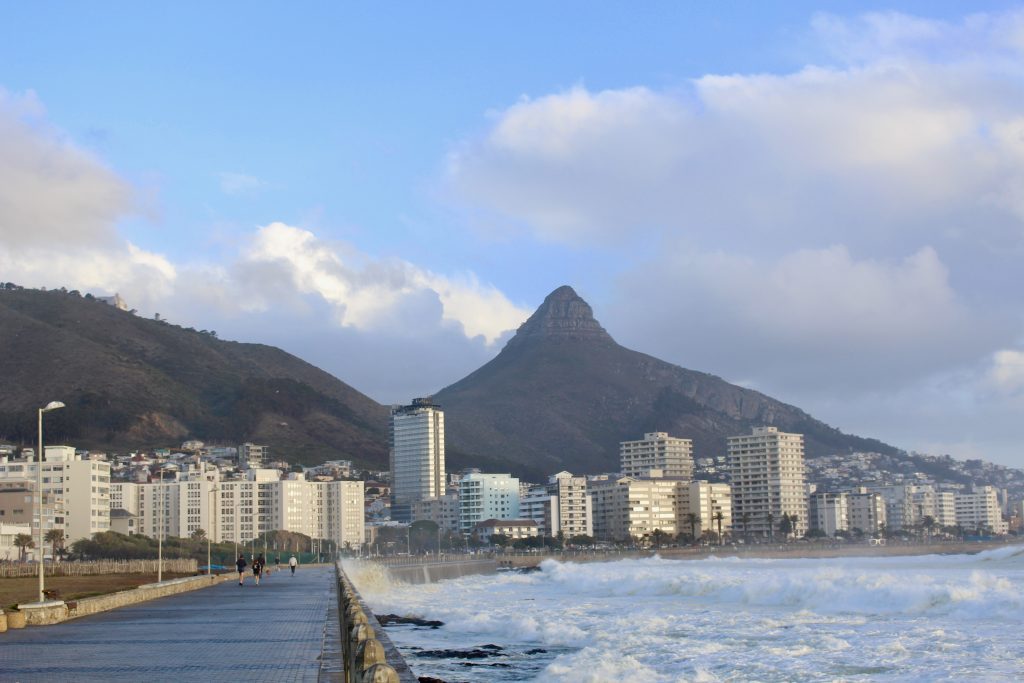
If you do only one thing in Cape Town, make it Table Mountain. Recognised as one of the New Seven Wonders of Nature, this extraordinary flat-topped mountain presides over the entire city and offers one of the most spectacular views you will ever see.
The cable car is the most practical option for families. The rotating cars offer 360-degree views as you ascend, and the summit itself is spacious and safe to wander. On a clear day you can see the full arc of the coastline, the Atlantic, the city spread below, and the distant mountains of the Winelands. Book tickets in advance if you can, particularly in peak season, as queues can build quickly. It's also worth checking the weather forecast before you go as the mountain closes in strong wind or heavy cloud, and a cloudless summit is something else entirely.
Bo-Kaap
Bo-Kaap is one of Cape Town's most photographed neighbourhoods, and the photographs really do not do it justice. Positioned on the slopes of Signal Hill just above the city centre, its streets are lined with brightly painted houses in every shade of yellow, pink, turquoise, cobalt, and green, a visual legacy of the Cape Malay community who have lived here since the 18th century.
Walking through Bo-Kaap feels like stepping into a living painting. The area is steeped in history, with the oldest mosque in South Africa and a small but absorbing museum telling the story of the community and its resilience through periods of enormous hardship. Late afternoon is a wonderful time to visit for the golden light on those colourful facades.
The District Six Museum
This is one of the most important places you can visit in Cape Town, and I would encourage anyone travelling there with older children not to skip it. District Six was a vibrant, mixed inner-city community established in the 19th century by freed slaves, immigrants, artisans, and labourers. Under apartheid, over 60,000 of its residents were forcibly removed and the neighbourhood was demolished to make way for a whites-only area that was ultimately never built.
The museum occupies the former Methodist Mission Church and honours the memory of that community through photographs, maps, personal testimonies, and objects. It is moving and beautifully done. For children old enough to engage with it, it provides a powerful and human-scale lens through which to understand South Africa's recent history, in a way that schoolbooks rarely manage.
Cape Agulhas
Cape Agulhas is the true southernmost point of the African continent and the official boundary between the Indian and Atlantic Oceans. It's a drive from Cape Town (roughly two and a half hours), but for those who enjoy landmark experiences, it's a memorable one. There's a monument where you can stand with one foot in each ocean, a lighthouse, and a small museum. The drive through the overberg farming country is beautiful in itself.
Hermanus and Boulders Beach
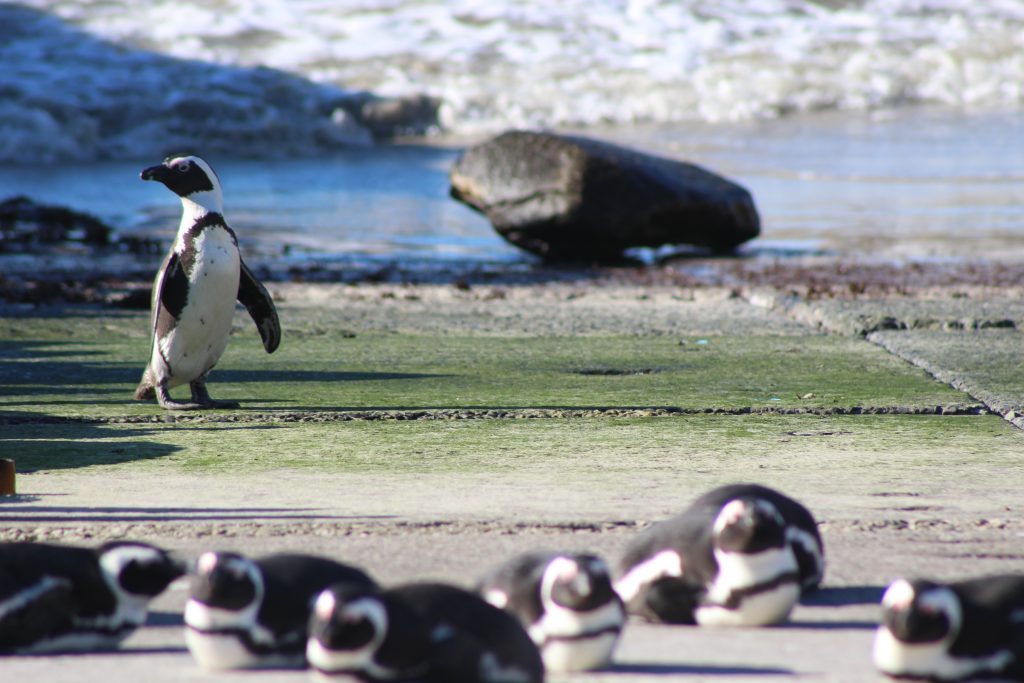
For penguin encounters, the destination is Boulders Beach near Simon's Town, about 45 minutes from the city centre. A large colony of endangered African penguins nests here on the beach and in the surrounding vegetation. Boardwalks allow you to get remarkably close without disturbing them, and watching these creatures in their natural habitat, waddling, squabbling, and occasionally swimming with surprising elegance, is one of those small joys that stays with you long after the trip is over.
If you're visiting between June and November, Hermanus is also worth including in a similar day trip. It's considered one of the world's best land-based whale-watching destinations, with southern right whales coming into Walker Bay to calve. The cliff paths offer spectacular viewing, and the town itself is charming.
The Cape Winelands
Cape Town's wine country begins just 45 minutes from the city centre, in the valleys around Stellenbosch and Franschhoek. Even if wine isn't a particular focus for you, the landscapes alone justify the drive: rolling vineyards framed by dramatic mountain ranges and filled with some of the most elegant estate architecture in the world.
Many wine estates actively welcome families and have good restaurant offerings. The food in the winelands is consistently outstanding, often featuring local produce and beautiful settings. A lunch at a working vineyard with views across the valley is one of those deeply pleasant hours that feels genuinely indulgent without being complicated.
South African wine is excellent and very reasonably priced by European standards. If you have the opportunity to try a Chenin Blanc from the region, or a Pinotage, which is the grape variety unique to South Africa, do take it.
The Ostrich Farm
This one sounds like a surprising inclusion on a luxury-adjacent travel guide, but hear me out. An ostrich farm visit is one of those unexpectedly delightful experiences that turns out to be a genuine highlight. Tours take you through the workings of the farm, you get to feed the ostriches, learn a significant amount about them (they are considerably more interesting than you might expect), and the setting for lunch is often lovely. Ostrich, incidentally, tastes surprisingly good, slightly like mild beef, and is genuinely worth trying if you're open to it.
Getting Around Cape Town
For a family, renting a car is the most practical option and gives you the freedom to reach the various attractions on the Cape Peninsula at your own pace. South Africans drive on the left, as in the UK, and the roads are generally good and well-signposted. Parking in the city centre is available in secure car parks at the Waterfront and main attractions.
Within the city itself, Uber is widely available, reliable, and very affordable by European standards. It's a good option for evenings out or shorter journeys where parking is an added complication.
A Note on Cape Town as a Travel Experience
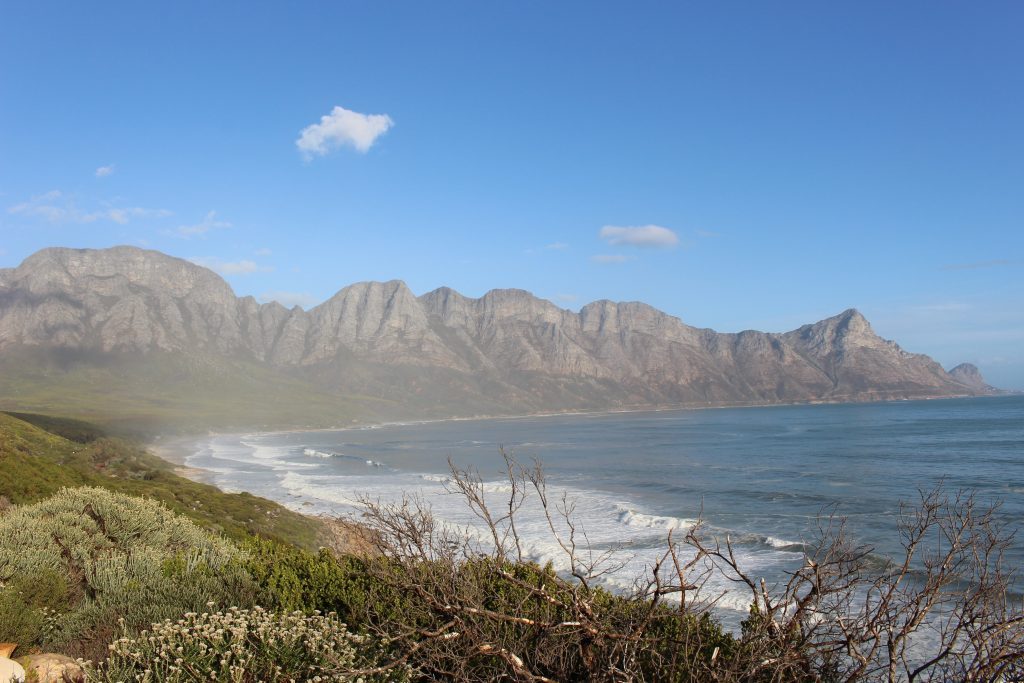
Cape Town is a city that gets under your skin in a way that very few places do. The physical beauty is almost overwhelming at times, but it's the combination of that beauty with the city's complex, layered history and its warm, resilient people that makes it something more than just a spectacular destination to tick off a list.
Coming here with children, who ask questions and notice things and experience the world at a different register to adults, adds a dimension to the experience that's genuinely enriching. Whether it's the wonder of a penguin colony, the solemnity of the District Six Museum, or simply the moment the cable car clears the mountain ridge and the ocean opens up below, Cape Town delivers those moments reliably and memorably.
It is the kind of city you leave wanting to return to. And that is the best thing that can be said about anywhere.
Practical Tips for Cape Town with Families
When to visit: Cape Town's summer runs from November to March, with long days, warm temperatures, and reliably clear skies. This is peak tourist season, so book accommodation and Table Mountain tickets well in advance. The shoulder months of October and April offer good weather with fewer crowds. Winter (June to August) brings rain but also whale season in Hermanus.
Currency: The South African Rand is the local currency. Card payments are widely accepted in restaurants and attractions, but carry some cash for markets and smaller vendors.
Safety: Like many cities, Cape Town has areas that require more awareness than others. Stick to the main tourist areas, use Uber rather than street taxis, and take the usual sensible precautions you would in any unfamiliar city. The main tourist precincts are very well-frequented and feel entirely safe.
Clothing: The weather can change quickly, especially near Table Mountain, so layers are always a good idea. Sunscreen is essential as the UV levels are high.
Booking Table Mountain: Book the cable car tickets online in advance, particularly if visiting in summer. The website shows current conditions and the mountain's operational status.
Food with children: Cape Town's restaurant scene is excellent and most places are genuinely child-friendly. The Waterfront in particular has a wide range of options. Don't miss trying local dishes, the cuisine here is genuinely interesting and varied.
This is part two of our South Africa trip. Read part one, our week at Zulu Nyala Game Reserve, here.




[…] blog awhile, you may remember last year we went to South Africa on a Safari (Link HERE) and then to Capetown (Link HERE). This year we are setting off for another wild adventure, this time to Greece. We plan on spending […]
[…] of our previous experiences I've shared are South Africa (LINK), Capetown, South Africa (LINK), Athens & The Greek Isles (LINK), and most recently, Cuba […]