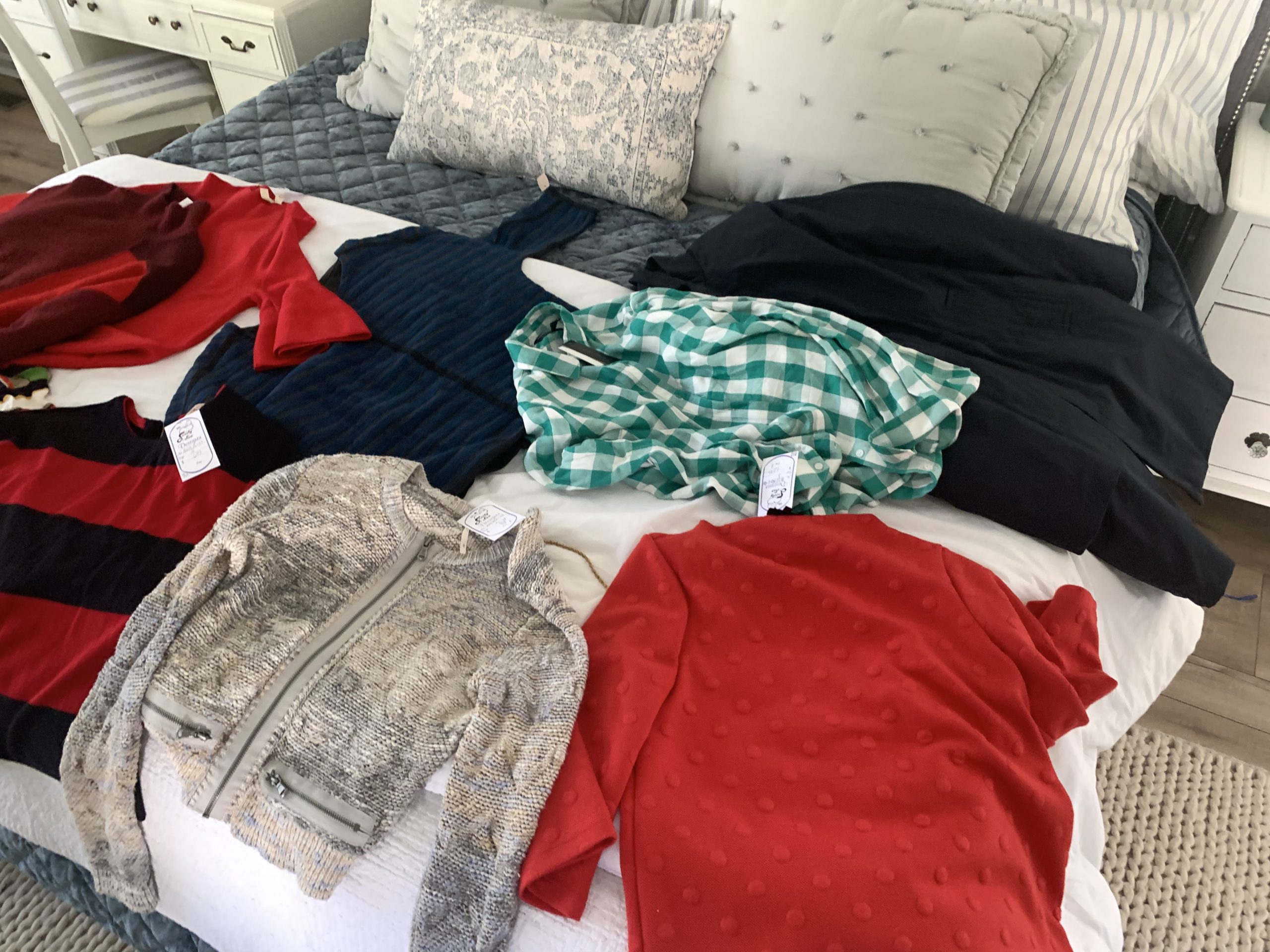
Some of the nicest pieces in my home didn’t come from a shop with a website. They came from a Saturday morning spent going through a charity shop shelf that most people would have walked straight past.
That’s the thing about charity shop shopping nobody quite tells you when you start. It isn’t really about the bargain, though that helps. It’s that everything on that shelf is one of one. You will never see your neighbour with the same brass table lamp, because nobody else is going to find that exact lamp again either.
The trouble is most people go in once, find nothing, and decide it’s not for them. Charity shop shopping rewards a bit of a system, so here’s mine.
Go in with a shortlist, not a shopping list
The difference matters more than it sounds. A shopping list sends you home disappointed, because you were looking for a specific green vase and there wasn’t one. A shortlist is a set of categories you’re generally on the lookout for, so you notice the right things without needing them to match an exact picture in your head.
My own shortlist is usually something like: table lamps, glassware, picture frames, and anything brass. Yours might be different depending on what your home actually needs. Either way, walking in with three or four loose categories in mind means you spot the good stuff instead of scanning past it because it wasn’t what you came for.
Learn to see past the display
Charity shops rarely style anything, which works in your favour once you get used to it. A lamp with the wrong shade, a chair with dated fabric, or a mirror with a slightly tired frame will all get overlooked by most shoppers, which is exactly why they’re still there for you to find.
Ask yourself whether the bones are good, not whether it looks good right now. A solid wood frame under bad varnish is worth ten minutes of sanding. A good lamp base under an ugly shade is one trip to a haberdashery away from being genuinely lovely. The shape and the materials are what you’re buying. Everything cosmetic can change.
Know your measurements before you go
Take a note of the wall space, the shelf gap, or the corner you’re actually shopping for before you leave the house. It sounds obvious, and it’s the single most common reason people come home with something that doesn’t work.
A quick note on your phone with the dimensions of the space, plus a photo of the room for reference, means you can make a proper decision standing in front of the shelf rather than guessing and hoping. Charity shops don’t take things back the way a retailer would, so this one habit alone saves you money.
Go regularly rather than once
Stock turns over constantly and unpredictably, so one disappointing visit tells you almost nothing about whether a shop is worth your time. The good pieces get put out gradually as donations come in, not all at once, which means the same shop that had nothing last Tuesday might have exactly what you need this Saturday.
If you’ve got two or three charity shops near you, a regular loop, even just once every couple of weeks, will turn up far more than an occasional big trip ever will. Consistency beats intensity here.
Check the maker’s mark
Before you put anything back, have a proper look underneath or at the base. A stamp, a signature, or a maker’s mark can tell you whether something is worth more than the price tag suggests, or simply confirm that it’s genuinely well made rather than mass produced.
You don’t need to be an expert to do this. A quick search on your phone for the mark you’ve found, while you’re still standing in the shop, is usually enough to tell you whether you’ve found something interesting.
Don’t overlook the odd or the ugly
Some of the best finds are the pieces nobody else wants precisely because they’re a slightly odd colour, an unfashionable shape, or from a decade currently out of style. Those are usually cheaper for exactly that reason, and a lot of them look completely different with new hardware, a coat of paint, or simply sitting in a different context than the one they were donated from.
I’d rather bring home something a bit strange for a couple of pounds and decide later whether it earns its place than pass over anything that isn’t immediately perfect.
Have a plan for pieces that need a little work
The best charity shop finds are rarely ready to go straight onto your shelf. A tired lamp base might need rewiring. A chair might need new fabric. A piece of furniture might need stripping back and repainting. None of that should put you off, but it’s worth being honest with yourself about what you’ll actually get round to.
If you’ve got a weekend project in you, the scruffiest pieces on the shelf are often the best value, because you’re the only person willing to see past the state they’re in. If you know you won’t get round to it, stick to pieces that are already close to finished.
Make It Your Own
If you’re furnishing a whole room on a budget, treat charity shops as your first stop rather than your last resort, and fill any genuine gaps with new pieces once you know what’s actually missing.
If you’re after a specific look, decide on your era or style before you go, whether that’s mid-century, vintage brass, or simple stoneware, so you can recognise pieces that fit even when they’re not in perfect condition.
If you don’t have time to visit often, ask a member of staff if they’ll put anything aside that matches what you’re after. Most charity shops are happy to, and it saves you the repeated trips.
If you’d rather shop from home, several charity shops now list better pieces online through their own sites or auction platforms, which is worth checking if visiting in person isn’t practical.
Frequently Asked Questions
Glassware, picture frames, table lamps, brass and wooden objects, and solid wood furniture tend to be the best secondhand buys, since quality and materials matter more than trend here, and older pieces were often better made than their modern equivalents.
Check that joints are solid, drawers run smoothly, and there’s no serious water damage or woodworm. Cosmetic issues like scratched varnish or dated fabric are easy and cheap to fix. Structural problems usually aren’t worth taking on unless you’re genuinely experienced with furniture repair.
Almost always, particularly for solid wood pieces that would cost considerably more new. The genuine saving is biggest on furniture and larger items, while small decor pieces vary more depending on the shop and area.
Roughly once every one to two weeks gives you the best chance of catching good pieces before someone else does, since stock changes gradually rather than all at once. A regular short visit tends to turn up more over time than occasional long ones.
Most will hold an item for a short period if you ask, particularly if you’re a regular customer. It’s always worth asking rather than assuming, since policies vary shop to shop.
Upholstered furniture with unclear history, anything electrical without a proper safety check, and soft furnishings you can’t wash thoroughly are worth more caution than most other categories. Everything else is largely down to condition rather than the fact it’s secondhand.
A last word on it
Charity shop shopping rewards patience more than anything else. You won’t find something wonderful every single visit, and that’s fine. The whole point is that you’re not shopping to a deadline. Go in with a loose idea of what you’re after, take your time, and let the good pieces find you rather than forcing a trip to produce a result.
The nicest thing about a home furnished this way isn’t really the money you’ve saved. It’s that nobody else’s living room looks quite like yours.
For more on sourcing and styling secondhand finds properly, have a look at where to buy secondhand furniture, or browse the home interiors section for more.
Leave a Reply
If you like the sort of recommendation that still holds up six months later, leave your email below and I'll write to you on Sunday.
Most Sundays, once the house has gone quiet and it's edging towards nine, a letter goes out. It's the one I'd write to a friend with good taste and not nearly enough time: one thing worth reading, one thing worth buying, and one thing to skip. No noise, no pressure to spend, just the considered version of what I've actually been using, loving, or quietly sending back.