I'm Gillian, a Scotland based home & lifestyle blogger. Follow along as I navigate this new journey sharing my life from home.


Picture a normal weekday evening. Dinner is half-made, there is a wash on its final spin, and somewhere upstairs someone has decided this is the exact moment to need something urgently. Then the doorbell goes. In a busy family house, the small question of who is actually standing on your doorstep turns out to matter far more than you would expect, and that is precisely where a video doorbell earns its place.
So, is a Ring doorbell worth it in the UK? Having lived with one for six years, wired into the mains and used through every dark winter and every summer heatwave, my honest answer has shifted over time. The doorbell itself has been genuinely good. What changed my view was the morning the subscription lapsed and the device quietly became half of what it used to be.
This is the review the sales page will not give you. Not a takedown, and not a love letter either, just what six years of daily use actually feels like once the novelty wears off.
The good: why my Ring doorbell earned its keep for six years
Let me start with the parts that have never let me down, because there are several.
Wiring it into the mains was the best decision
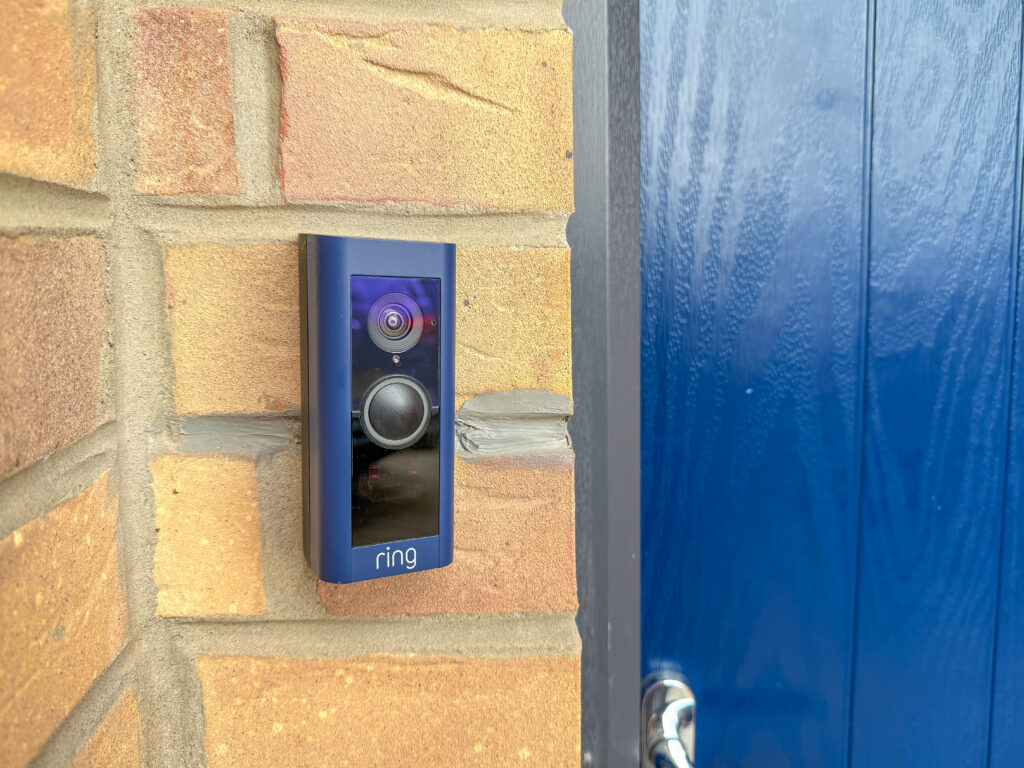
The single smartest choice was hardwiring it rather than relying on the battery. Six years on, that still feels like the right call. There is no charging routine to remember, no low-battery warning at the worst possible moment, and no camera quietly dying in the middle of a cold snap when you most want it working. The device simply sits there, always on, always ready. For a household where nobody has the spare mental capacity to be recharging a doorbell, wired reliability has been worth its weight in gold.
If you are weighing up battery against wired, and you have the wiring in place or are happy to get an electrician in, wired is the version I would steer a friend towards every time.
The setup and the chime just work
Getting it up and running was refreshingly painless. The Ring app walked me through it, the doorbell paired without drama, and the plug-in chime has slotted into the house so naturally that visitors assume it is a normal doorbell. That matters more than it sounds. A gadget that announces itself as a gadget gets tiresome; one that quietly does its job becomes part of the furniture. Six years in, the chime still sounds through the house exactly as it should, and nobody has to fish out a phone to know someone is at the door.
Live view and instant alerts are genuinely handy
When the notification pings and you open the app straight away, the live view is quick and clear enough to be useful. Signing for a parcel while you are still in your dressing gown, checking whether it is the postman or a cold caller before you commit to answering, telling a delivery driver where to leave a box without opening the door at all. These are small conveniences, but they stack up across a busy week, and for a long time they were reason enough to be glad we had it.
For anyone in the same boat, the model I have used is the mains-wired, and it has been a steady performer.
The reality check: using a Ring doorbell without a subscription
Here is where the honesty comes in, because this is the part the marketing tends to gloss over.
The purchase price is only the beginning. Buy the doorbell, mount it, wire it in, and you own a lovely piece of hardware. What you do not yet own is most of what makes it feel like a security camera. That sits behind a subscription called Ring Protect, and once you cancel it, the gap becomes obvious very quickly.
What you still get for free
Without a subscription, the doorbell is not useless. Real-time notifications still land on your phone when someone presses the button or triggers motion. Live view still works, so if you open the app the moment it pings, you can see and even speak to whoever is there. Two-way talk carries on functioning too. For answering the door from the sofa, none of that changes.
The frustrations that made me reconsider
The trouble is everything that happens the instant you look away from your phone.
- No saved recordings. Miss the live moment and it is gone. There is no clip to go back to, no history to scroll, nothing to check later.
- No way to see who called if you missed the ring. A delivery driver comes while you are on a work call, you glance at the notification twenty minutes later, and you have no idea who it was or whether they left anything.
- The mysterious 3am motion alerts. Every so often the phone buzzes in the small hours with “motion at your front door,” and because nothing is recorded, there is no way on earth to know whether it was a fox, a gust of wind, or something worth caring about. That uncertainty, oddly, is more unsettling than no alert at all.
- No preview clips on notifications. The little snapshot that lets you assess a notification at a glance disappears without the plan, so every alert becomes a decision about whether to drop what you are doing and open the app.
None of this stops the doorbell working as a doorbell. It does, however, quietly strip out the “security” part of security camera, which for many buyers is the entire reason they bought one.
The £50-a-year question: is the Ring Protect plan mandatory?
Now to the number that catches everyone out.
The single-device plan, currently called Ring Solo, costs £4.99 a month or £49.99 a year in the UK. That is the tier most doorbell owners actually need, and it is the one that unlocks saved recordings, video history, and those preview clips. Multi-device households looking after several cameras are pushed towards the pricier Ring Multi plan instead.
A small aside worth knowing, because it caused me genuine confusion: the subscriptions have been renamed more than once. They were Ring Protect, then Ring Home, and as of January 2026 they are back to Ring Protect, with the individual plans now going by Solo and Multi. If you feel lost reading your own billing page, you are not imagining it.
Is the plan mandatory? Technically, no. Nobody forces you to subscribe, and the doorbell will keep chiming away happily without it. In practice, though, it feels close to essential if you want the device to do the job you bought it for. Paying for the hardware and then declining the plan is a bit like buying a lovely camera and never putting a memory card in it. That is my frustration in a sentence, and it is the reason the total cost of ownership deserves proper thought before you commit.
Over the six years I have owned mine, the subscription cost has quietly added up to more than the doorbell itself. That is the maths worth doing on day one, not year three.
Ring doorbell alternatives with no monthly fees
For anyone who simply refuses to pay an ongoing fee, and I understand the instinct entirely, there are alternatives built around local storage rather than the cloud. That means footage is saved to the device or a hub in your home, with no subscription required to see it back.
The names that come up most often are Eufy, Tapo, and Arlo, all of which offer models with some form of local storage. Full honesty here: these are not doorbells I have lived with, so this is a pointer for your own research rather than a personal recommendation. My rule on this blog is that I only vouch for what I have actually used, and I have only used the Ring. What I can tell you is that “no monthly fee” is a real and growing corner of the market, so it is well worth comparing local-storage options against the running cost of a Ring subscription before you decide.
Ring doorbell questions, answered quickly
No, you do not need one to use it. The doorbell still rings, sends real-time alerts, and offers live view and two-way talk for free. You do need a subscription if you want saved recordings, video history, and preview clips.
It is worth it as a smart doorbell, but not really as a security camera. Without Ring Protect there are no recordings to review, so anything you miss live is gone. If saved footage matters to you, factor the plan into the cost.
The single-device Ring Solo plan costs £4.99 a month or £49.99 a year. Larger setups with multiple cameras are directed to the more expensive Ring Multi plan.
So, is a Ring doorbell worth it?
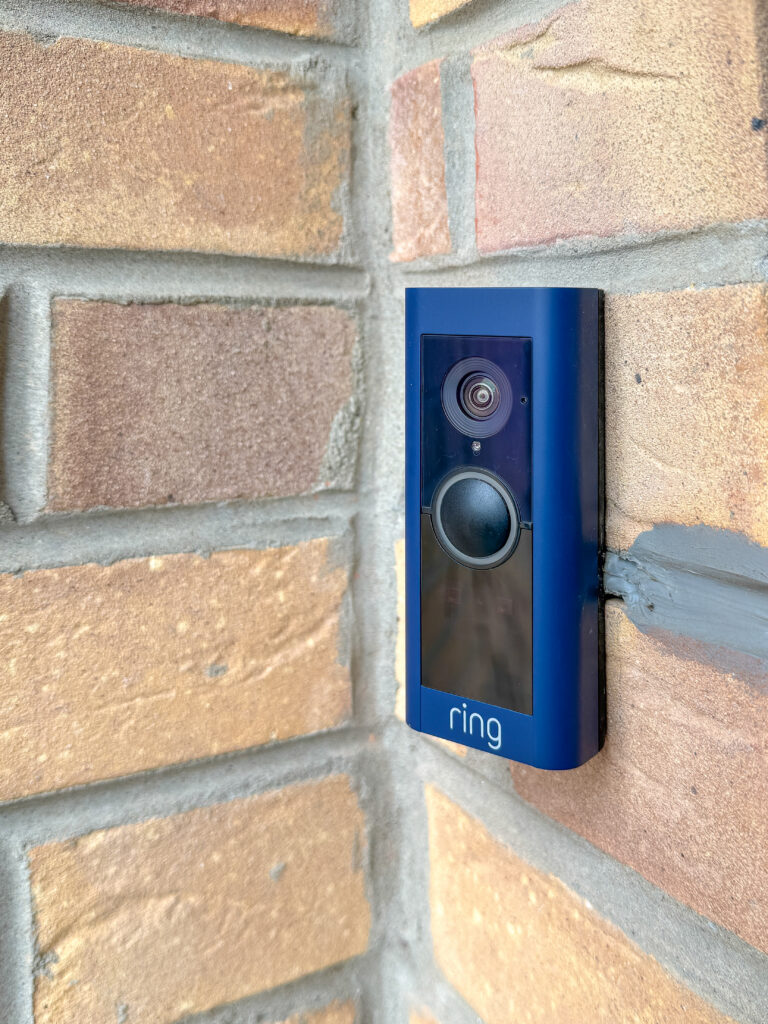
After six years, my verdict is a warm but qualified yes. The hardware has been reliable, the wired setup has been faultless, and the everyday convenience of seeing who is at the door has genuinely made a busy house run a little more smoothly. The catch is the subscription. Buy a Ring and treat it as a one-off purchase, and you will likely feel short-changed the first time you miss a delivery and have nothing to check. Buy it knowing the real cost includes roughly fifty pounds a year for as long as you own it, and you can make a clear-eyed decision rather than a disappointed one.
That, for me, is the whole reality check. It is a good device sold with a running cost that the price tag never mentions, and knowing that upfront changes everything about whether it is worth it for you.
Over to you now. Do you pay for the Ring subscription, have you gone subscription-free, or have you found an alternative you genuinely rate? Tell me in the comments, because this is exactly the kind of thing I love comparing notes on.
You can check out more reviews on the blog.
Leave a Reply
If you like the sort of recommendation that still holds up six months later, leave your email below and I'll write to you on Sunday.
Most Sundays, once the house has gone quiet and it's edging towards nine, a letter goes out. It's the one I'd write to a friend with good taste and not nearly enough time: one thing worth reading, one thing worth buying, and one thing to skip. No noise, no pressure to spend, just the considered version of what I've actually been using, loving, or quietly sending back.