Thrift Store vs Consignment Store vs Antique Store: A Shopper’s and Seller’s Guide

Shopping secondhand is one of those pleasures that never gets old. There's a particular thrill in walking into a store full of pre-loved things and walking out with something that feels like it was waiting just for you. But here's the thing: not all secondhand shops are created equal, and knowing the difference between a thrift store, a consignment store, and an antique store can save you time, money, and a whole lot of aimless wandering.
Whether you're hunting for a gorgeous mid-century sideboard, trying to figure out the best place to sell your grandmother's china, or simply curious about where your money actually goes when you buy secondhand, this guide breaks it all down. Think of it as your friendly cheat sheet for navigating the world of pre-loved shopping and selling, so you can walk in knowing exactly what to expect.
At a Glance: Thrift Store vs Consignment Store vs Antique Store
Before diving into the detail, here's a quick comparison to give you the full picture at a glance.
| Thrift Store | Consignment Store | Antique Store | |
|---|---|---|---|
| Source of items | Donated by the public | Loaned by the owner for resale | Sourced and curated by the vendor |
| Who gets paid | Charity or nonprofit (usually) | Seller receives a percentage of the sale price | The vendor who sourced the item |
| Price range | Low | Mid-range | Mid to high |
| Item quality | Mixed; varies hugely | Curated; generally good condition | Curated; often excellent condition |
| Shopping experience | Treasure hunt; unpredictable | More boutique-like; organised | Curated booths or themed displays |
| Best for | Bargain hunting, everyday items | Designer or quality pieces at a discount | One-of-a-kind vintage and antique finds |
| UK equivalent | Charity shop (Oxfam, British Heart Foundation) | Less common; some upscale charity shops operate similarly | Antique centres, vintage fairs |
This table alone should help you decide where to head next, but there's much more to each of these worth knowing, especially if you're thinking about selling as well as shopping.
What Is a Thrift Store?
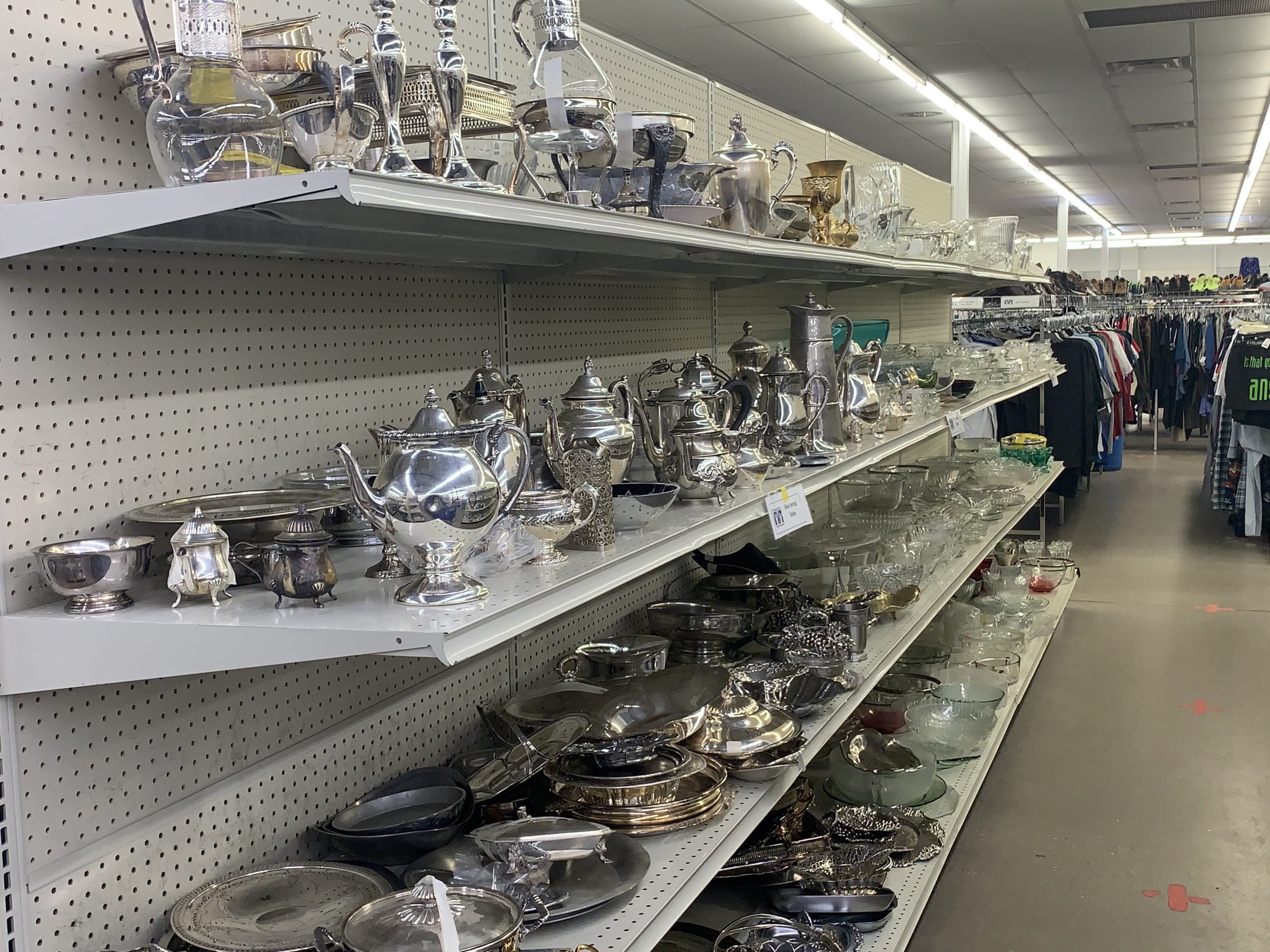
A thrift store sells donated goods, typically at very low prices. In the UK, the closest equivalent is the charity shop, and the model is essentially the same: people donate items they no longer need, volunteers or staff sort and price them, and the proceeds go towards a charitable cause.
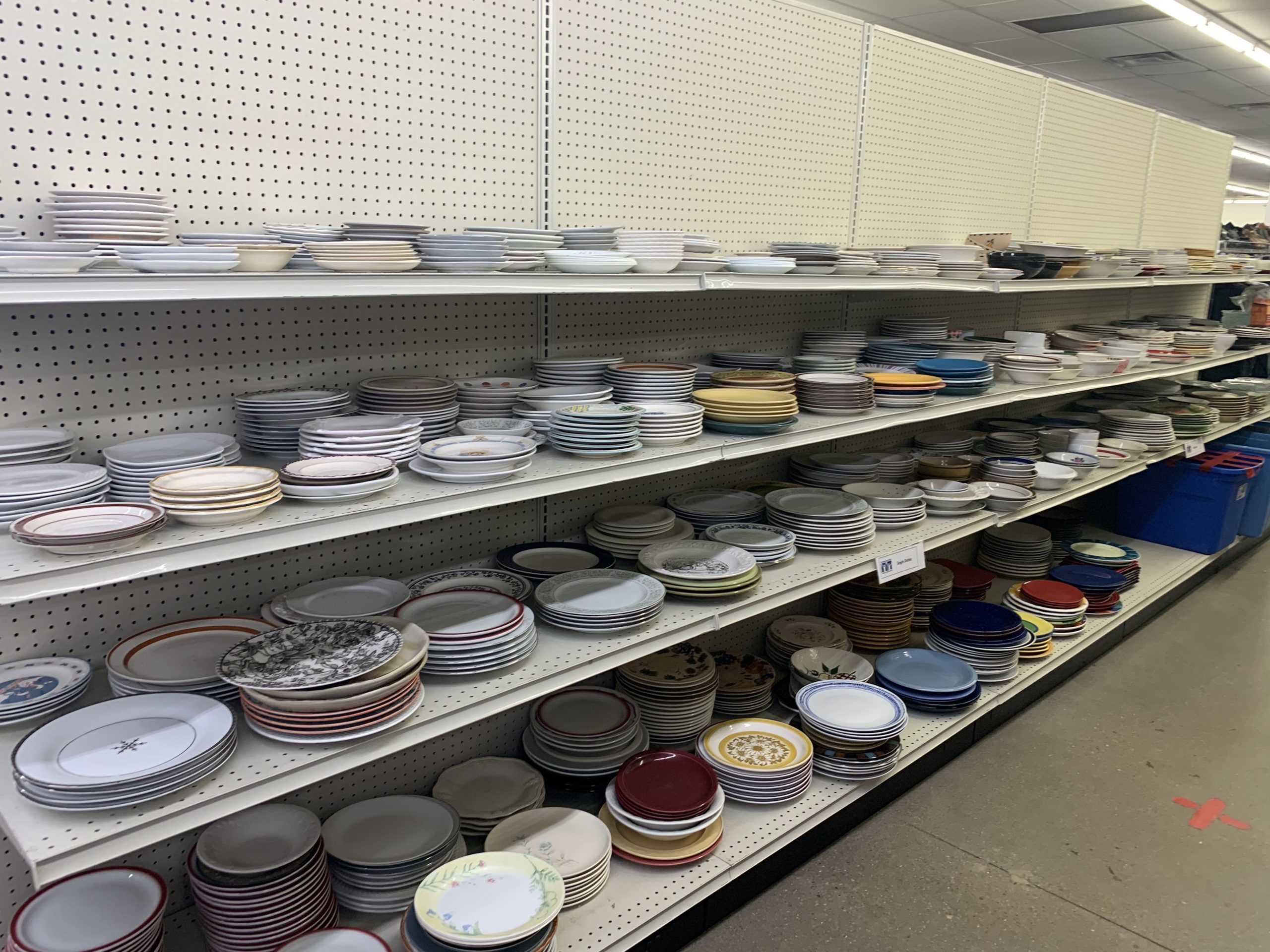
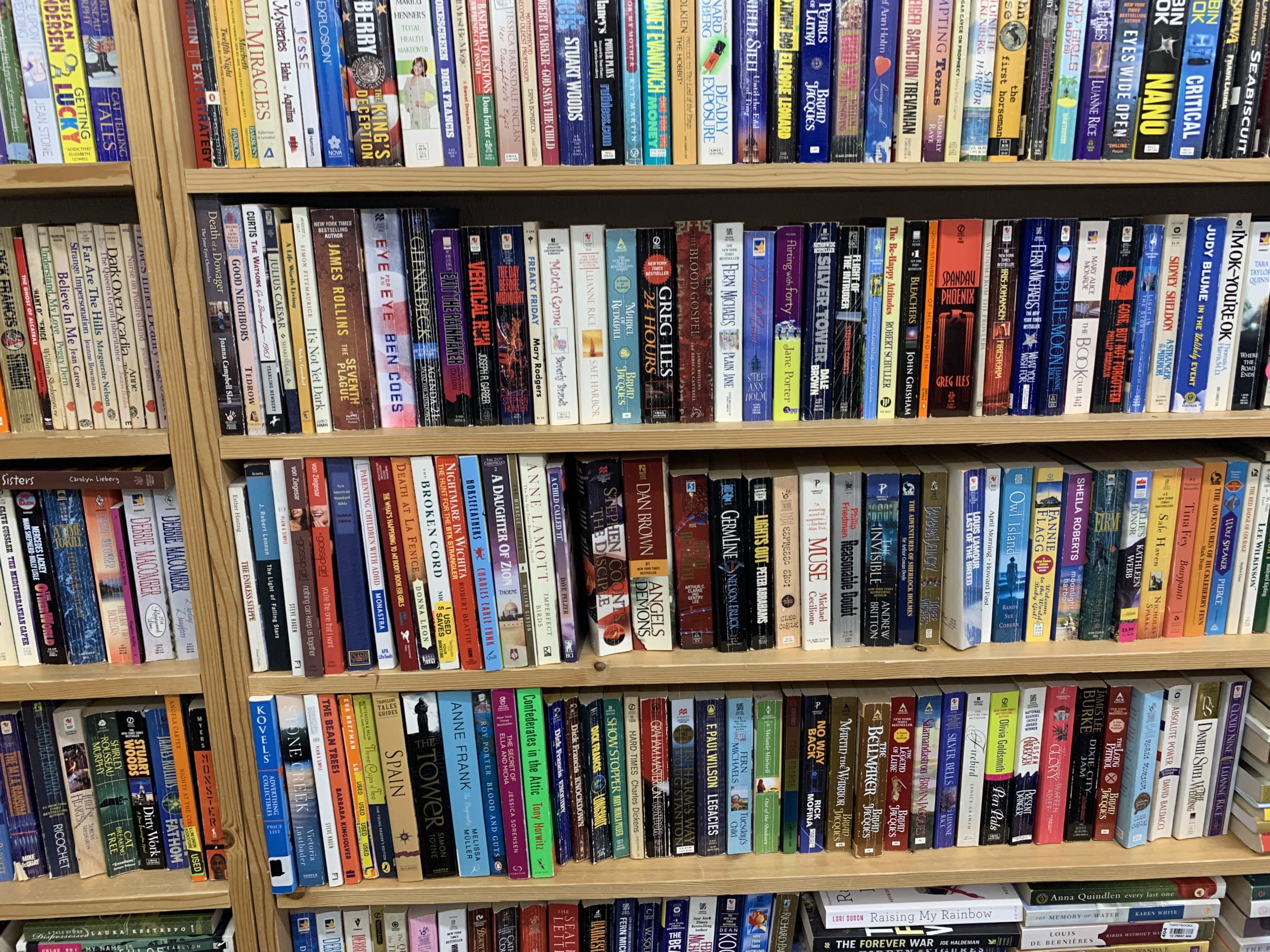
The inventory in a thrift store is entirely unpredictable, which is both the joy and the frustration. One visit might turn up a beautiful Le Creuset casserole dish for next to nothing; the next might offer nothing more exciting than a shelf of mismatched mugs. The key to thrift store shopping is patience and a willingness to dig. The items haven't been curated or vetted for quality, so condition varies wildly, but that's exactly how the real finds happen.
Thrift stores are brilliant for everyday items like kitchenware, books, picture frames, and basics you don't need to be precious about. They're also surprisingly good for furniture if you're willing to invest a bit of time in cleaning or repainting. Some of the most beautiful pieces in a home start life looking decidedly unloved on a thrift store floor.
For UK readers, shops like Oxfam, Cancer Research, and the British Heart Foundation are the most familiar names, but independent charity shops in smaller towns often have the best stock and far less competition.
What Is a Consignment Store?
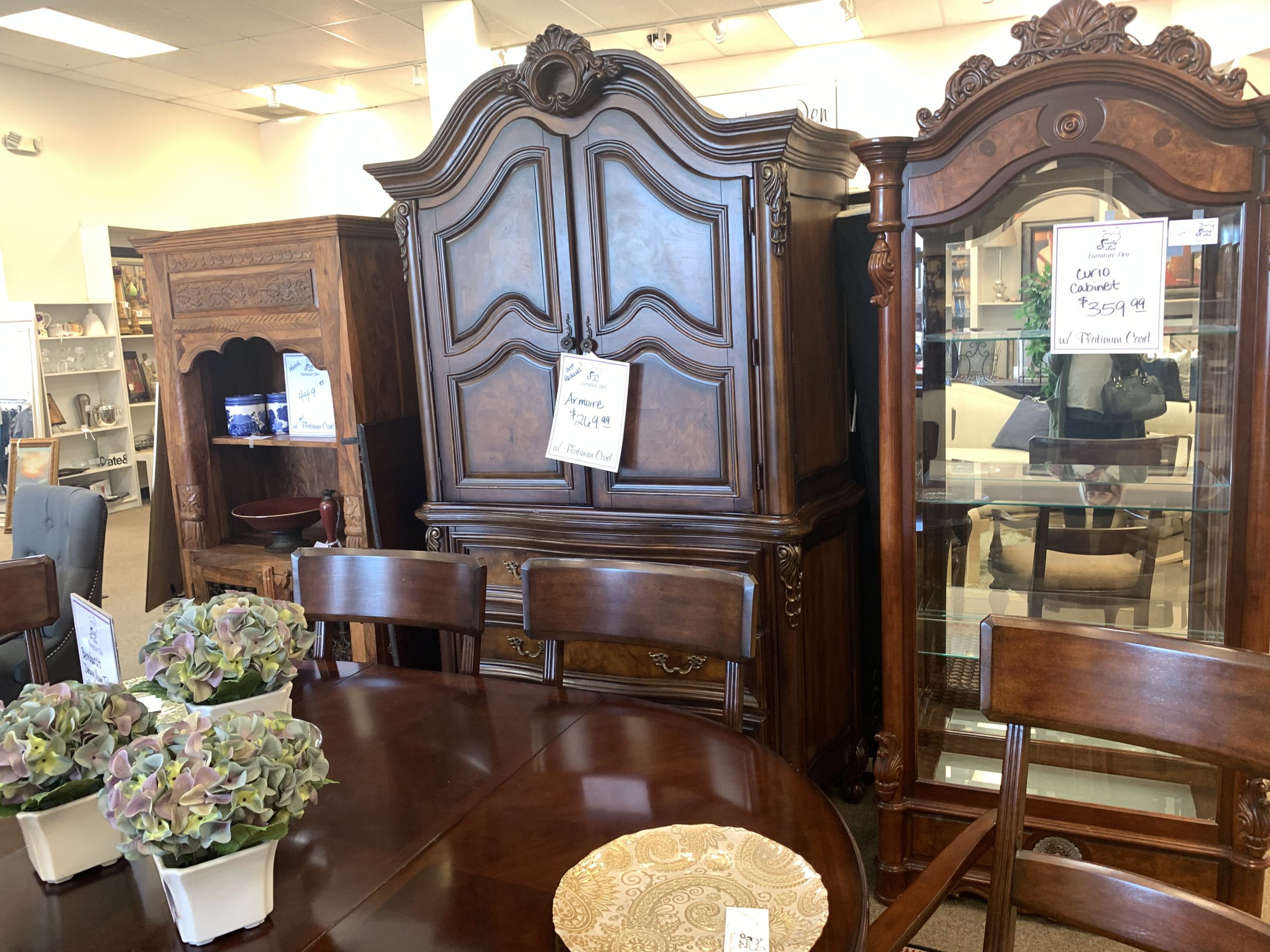
Consignment stores work on a completely different model. Rather than accepting donations, a consignment store sells items on behalf of the original owner. The owner brings in their goods, the store displays and sells them, and when an item sells, the profit is split between the store and the seller, typically somewhere between a 50/50 and 60/40 split in the store's favour.
Because of this arrangement, consignment stores tend to be much more selective about what they accept. They're not going to take your battered paperbacks or that slightly chipped vase; they want items that will actually sell, and sell at a price that makes the commission worthwhile for both parties. That means the stock in a consignment store is generally of a higher quality than a thrift shop, better organised, and often more designer or brand-focused.
The shopping experience feels closer to a boutique than a charity shop. Items are presented well, prices are clearly marked, and you're less likely to encounter that faintly musty smell that seems to come standard with thrift store shopping. The trade-off is that prices are higher, though still significantly less than buying new.
In the UK, the consignment model is less widespread than in the US, though it does exist. Some upscale charity shops in affluent areas effectively operate on a similar basis, and online consignment platforms like Vestiaire Collective and Vinted have made the concept far more mainstream in recent years.
What Is an Antique Store?
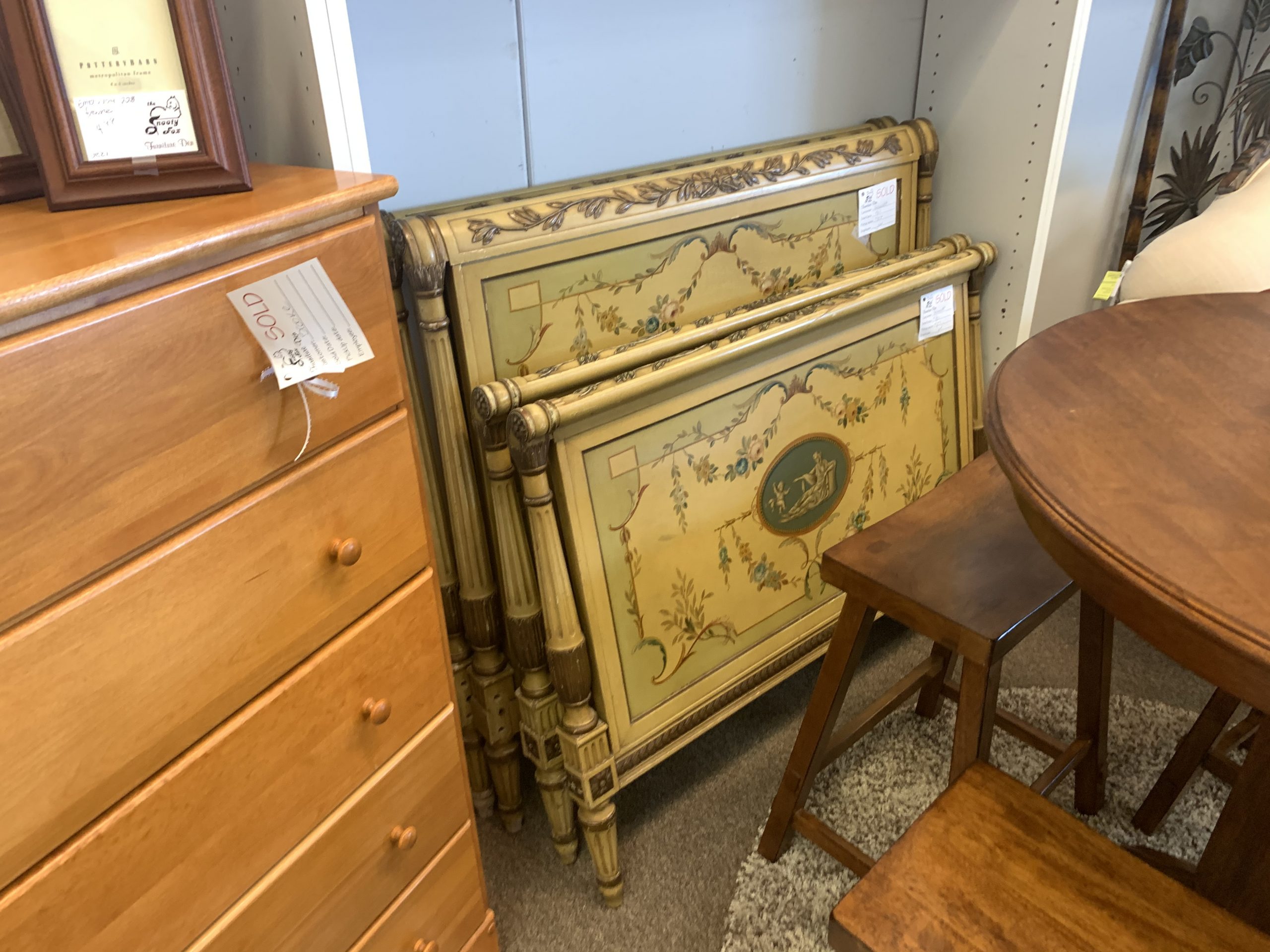
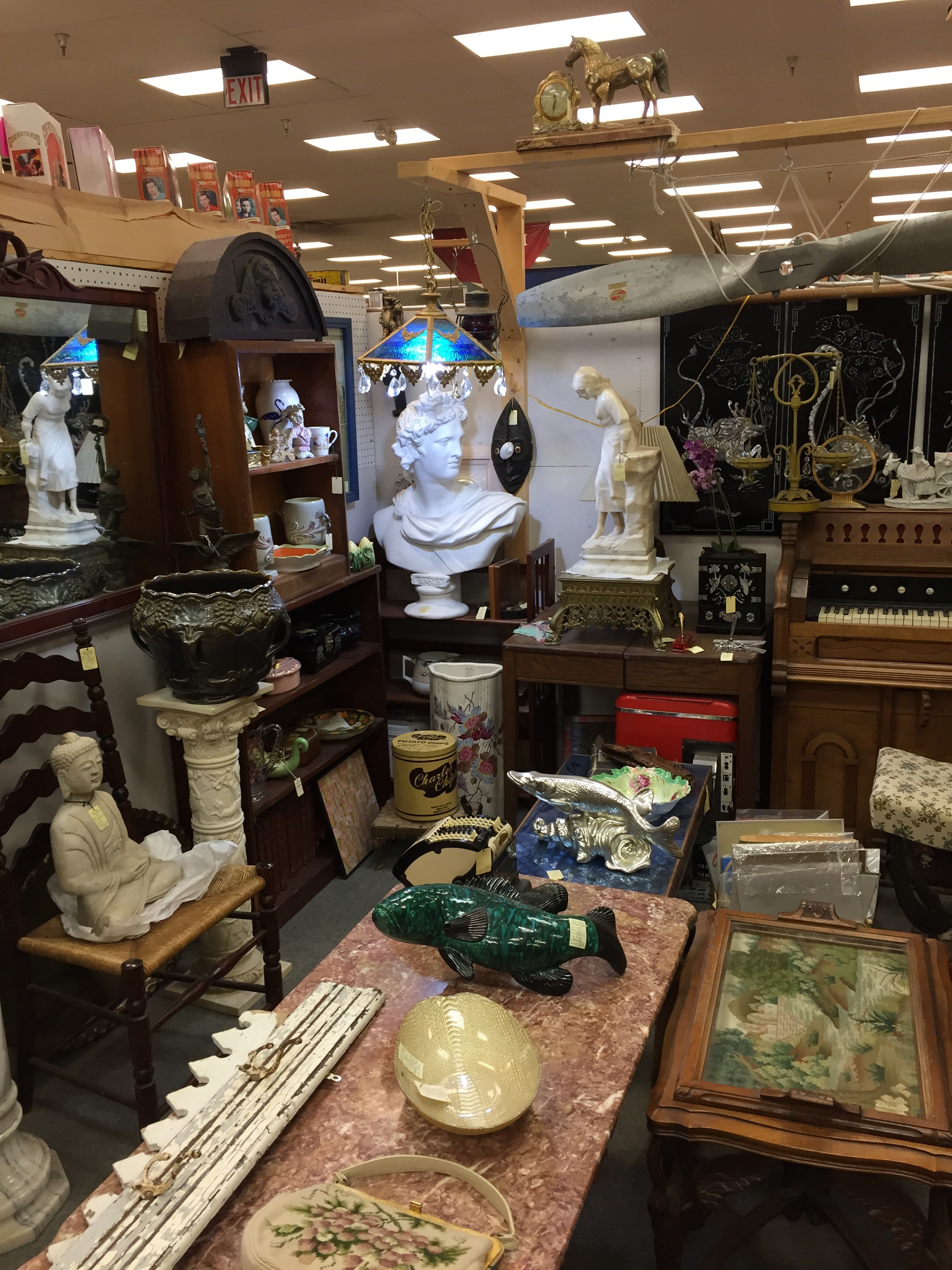
Antique stores are a different beast altogether. These aren't donation-based or consignment-based; the items are typically sourced and curated by vendors who actively seek out pieces to resell at a profit. The vendor does the hunting, the cleaning, the research, and the pricing, and the resulting collection tends to be far more intentional than anything you'd find in a thrift or consignment setting.
To qualify as a genuine antique, an item generally needs to be at least 100 years old. Anything between 20 and 100 years old is usually considered vintage, though the two terms get used interchangeably quite often. Antique stores may carry both, along with collectibles and curiosities that don't neatly fit either category but have clear appeal.
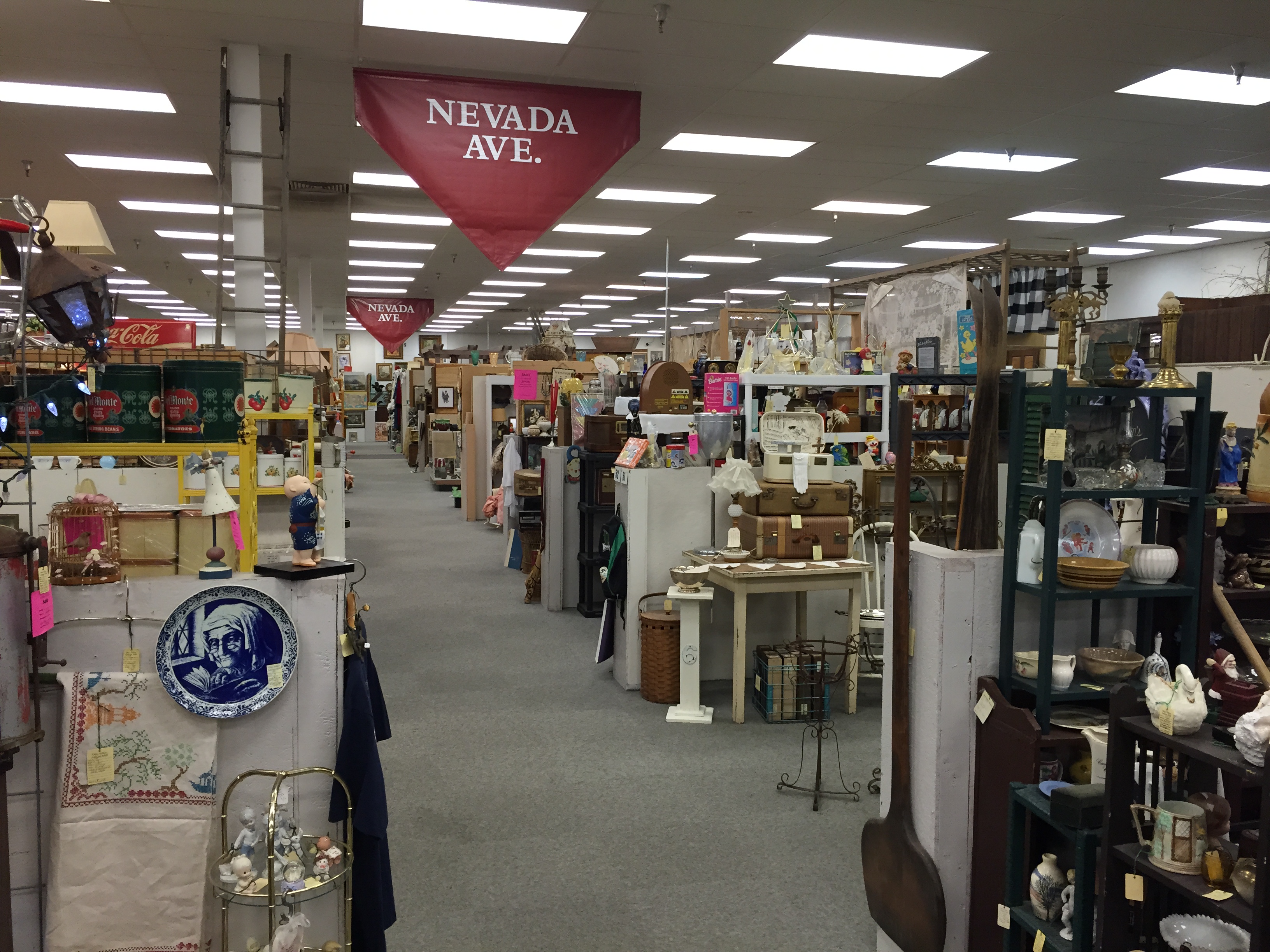
Many antique stores operate as large malls or centres with individual booths rented to different vendors. Each booth reflects its vendor's particular taste, whether that's Art Deco jewellery, Victorian furniture, mid-century ceramics, or vintage advertising signs. Walking through an antique mall is a bit like visiting a dozen tiny, highly curated shops all under one roof, and it's easy to lose an entire afternoon there.
Prices at antique stores are generally higher than thrift or consignment, reflecting the age, rarity, and condition of the items, as well as the work the vendor has put into sourcing them. That said, negotiation is often welcome. Asking politely whether there's any flexibility on the price, or whether that's their best price, is perfectly normal and rarely causes offence.
Thrift Store vs Consignment Store: Key Differences
The biggest difference between a thrift store and a consignment store comes down to who profits and how the stock arrives. Thrift stores rely on donations and typically support a charity, while consignment stores operate as a business arrangement between the store and individual sellers.
From a shopper's perspective, the practical difference is in quality and price. Thrift stores are cheaper but less predictable; consignment stores are pricier but offer a more reliable standard. If you're looking for a specific brand or want something in genuinely good condition without the gamble, a consignment store is usually the better bet. If you love the thrill of the hunt and don't mind sifting through the ordinary to find the extraordinary, thrift is where the magic happens.
From a seller's perspective, the choice depends on your priorities. Donating to a thrift store is quick, easy, and supports a good cause, but you won't see a penny from the sale. Consigning takes more effort, as most stores will want to assess your items first, but you stand to earn money if they sell.
Antique Store vs Consignment Store: Which Is Better for Selling?
If you're looking to sell higher-value items, particularly anything genuinely antique or vintage, the choice between consignment and an antique dealer is worth thinking through carefully.
Consignment stores will display your item and take a commission when it sells, which works well for designer clothing, quality furniture, and home accessories. The risk is that your item may not sell within the consignment period, and you'll need to collect it if it doesn't.
Antique dealers, on the other hand, may buy outright from you, which means less money but an immediate sale. Some antique centres also offer booth rental, where you pay a monthly fee for space and keep the profits yourself, though this only makes sense if you have enough stock to fill a booth and the time to manage it.
For most people with a handful of good pieces to sell, consignment is the simpler option. For collectors or those with a genuine eye for sourcing, an antique booth can become a surprisingly enjoyable side venture.
How to Consign Your Antiques: A Step-by-Step Guide
If you've got antiques or vintage pieces you'd like to sell through a consignment store, here's how to approach it.
Research your local options. Not every consignment store handles antiques; many focus on clothing and accessories. Look for stores that specifically deal in furniture, homewares, or vintage goods. Antique centres with consignment arrangements are often the best fit.
Know what you have. Before approaching a store, do a little homework. Check what similar items are selling for online, whether on eBay, Etsy, or specialist auction sites. This gives you a realistic baseline and helps you negotiate a fair split with the store.
Prepare your items. Clean everything thoroughly, but be careful with antiques; overzealous cleaning can actually reduce the value of certain pieces. A gentle wipe down is usually sufficient. If there's any damage, be upfront about it.
Understand the terms. Ask about the commission split, the consignment period (how long the store will hold your item before returning it), and whether prices can be reduced over time. Some stores markdown items after a set number of weeks; make sure you're comfortable with the minimum price before agreeing.
Get everything in writing. Any reputable consignment store will provide a written agreement. Read it properly before signing.
Be patient. Antiques and vintage pieces can take time to find the right buyer. If your items are priced fairly and displayed well, they'll find their home eventually.
Tips for Getting the Best Out of Secondhand Shopping
Regardless of whether you're browsing a thrift store, consignment shop, or antique centre, a few universal principles make the whole experience more rewarding.
Shopping with an open mind tends to produce the best results. Going in with a rigid idea of exactly what you want often leads to disappointment, whereas staying open to unexpected finds is how the really special pieces end up in your home.
Visiting regularly makes a noticeable difference. Stock changes constantly in all three types of store, and the best items rarely last long. If there's a thrift store or antique centre near your regular route, a quick browse once a week takes no time and occasionally produces something wonderful.
Quality over quantity is always the better approach. One beautiful, well-made vintage piece will bring more character to a room than half a dozen cheap finds that looked promising in the store but feel a bit underwhelming at home. This is the everyday luxury approach in action: buying thoughtfully, choosing well, and letting each piece earn its place.
Frequently Asked Questions
A consignment shop sells items on behalf of their original owner. When a piece sells, the proceeds are split between the shop and the seller, usually with the shop taking between 40% and 60%. Unlike thrift stores, consignment shops are selective about what they accept and tend to carry higher-quality goods.
The core difference is how items arrive and who benefits from the sale. Thrift stores sell donated goods, with profits typically supporting a charity. Consignment stores sell items on behalf of individual owners, who receive a percentage of the sale price. Consignment stores are generally more curated and slightly more expensive as a result.
Absolutely. Many consignment stores and antique centres accept antiques, though not all do. It's worth researching local options that specialise in vintage and antique goods, as they'll have the right customer base and pricing knowledge to get you the best return.
That depends on your priorities. Donating is quick, easy, and supports a good cause, but you won't earn any money. Consigning takes more effort and patience, but you'll receive a share of the sale price if the item sells. For everyday items, donating is usually simplest. For higher-value or designer pieces, consigning makes more financial sense.
An antique is generally defined as an item at least 100 years old. Vintage typically refers to items that are between 20 and 100 years old, often with a particular design aesthetic tied to their era. Both terms are used loosely in everyday conversation, but the distinction matters when it comes to pricing and specialist dealers.
They can be, though it depends entirely on what you find. Thrift stores occasionally receive donations of genuinely valuable items, from designer clothing to antique ceramics, that have been priced without specialist knowledge. Part of the appeal of thrift shopping is the possibility of finding something remarkable at a fraction of its actual value.
In the UK, the equivalent of a thrift store is a charity shop. Well-known chains include Oxfam, British Heart Foundation, Cancer Research UK, and Sue Ryder. Independent charity shops also exist and are often excellent for finding unique pieces with less competition.
Making Secondhand Shopping Part of Your Lifestyle
There's something deeply satisfying about furnishing and decorating a home with pieces that have a story. Whether it's a thrift store lamp that just needed a new shade, a consignment find that still had its designer tags, or an antique mirror that's been reflecting the world for longer than anyone alive, secondhand shopping brings a richness to a home that mass-produced furniture simply can't match.
The key is knowing where to look and what to expect when you get there. Thrift stores for the thrill and the bargains, consignment for quality and value, and antique stores for character and craftsmanship. Each has its place, and the best-curated homes tend to draw from all three.
Happy hunting. And if you've got a favourite secondhand find or a brilliant local shop worth sharing, drop it in the comments below.
Leave a Reply
The Sunday Letter
Most Sundays, once the house has gone quiet and it's edging towards nine, a letter goes out. It's the one I'd write to a friend with good taste and not nearly enough time: one thing worth reading, one thing worth buying, and one thing to skip. No noise, no pressure to spend, just the considered version of what I've actually been using, loving, or quietly sending back.
If you like the sort of recommendation that still holds up six months later, leave your email below and I'll write to you on Sunday.




[…] Thrift Stores, Consignment Stores, Antique Stores~ What’s the Difference? (LINK) […]