I'm Gillian, a Scotland based home & lifestyle blogger. Follow along as I navigate this new journey sharing my life from home.


I used to be one of those people who claimed I couldn’t keep a houseplant alive. Then I realised the problem wasn’t me, it was that I kept buying plants that needed far more attention than I was ever going to give them. Once I switched to a handful of genuinely forgiving plants, everything changed.
Bringing a bit of green into a room does more than just look nice. It softens hard edges, fills awkward empty corners, and there’s decent evidence that having plants around can improve air quality and even mood. None of that matters much, though, if the plant dies within a month.
These four are the ones I’d actually recommend to someone who’s convinced they have a black thumb. They forgive missed waterings, tolerate less-than-perfect light, and none of them demand a complicated care routine to survive.
Pothos
Pothos is usually the first plant people recommend for exactly this reason, and it deserves the reputation. The heart-shaped leaves trail beautifully from a shelf or hanging pot, and it grows quickly enough that you’ll actually see progress, which matters when you’re building confidence with plants.
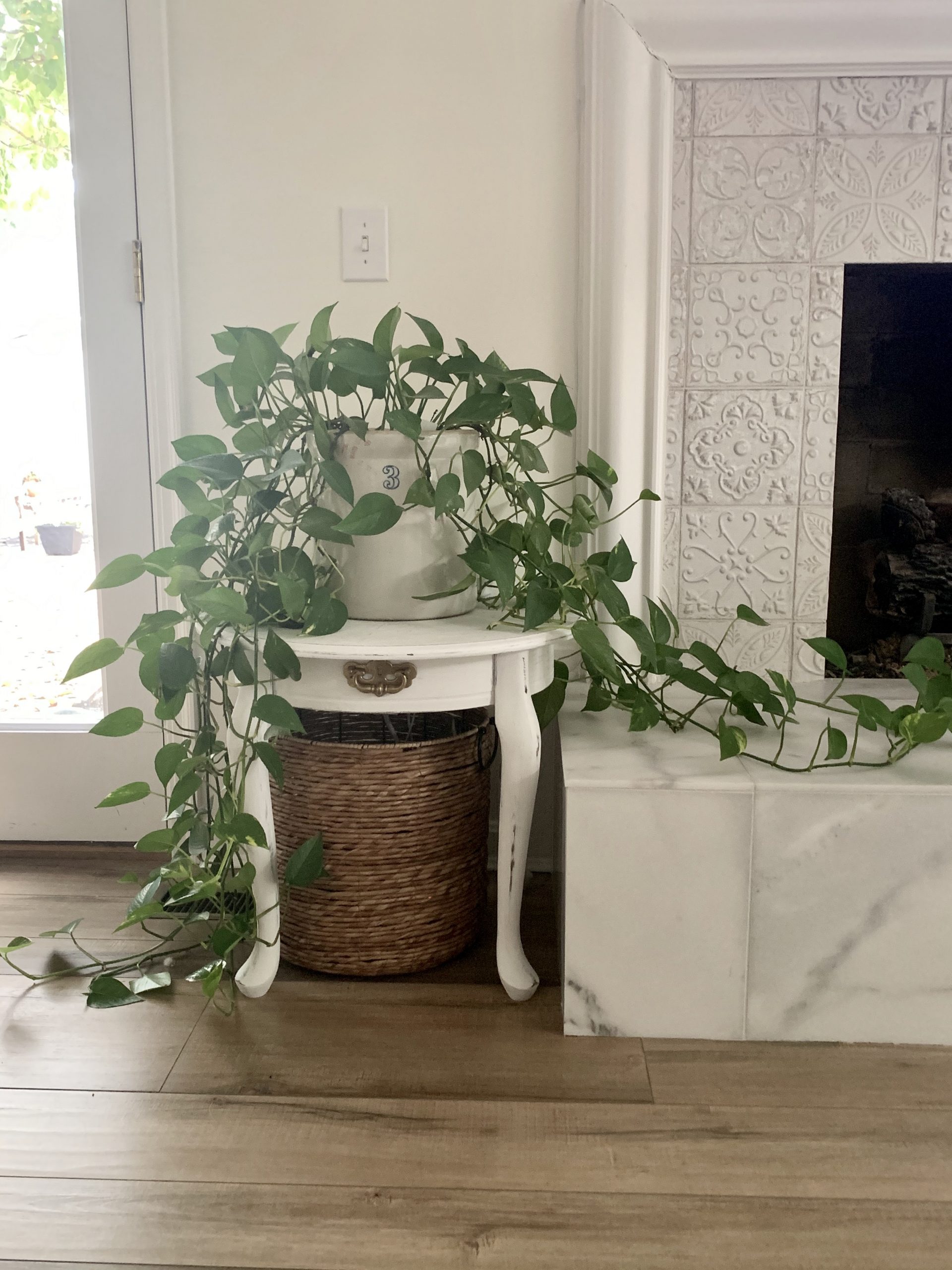
It’s happy in bright, indirect light, but it’ll cope in a dimmer spot too, just more slowly. The main thing to get right is watering: let the soil dry out between waterings, since overwatering and root rot are the most common way people accidentally kill a pothos, not underwatering. If it starts looking a bit leggy or sparse, a trim tidies it up instantly, and the cuttings root easily in a glass of water if you want to propagate more plants for free.
Pilea
Also known as the Chinese money plant or friendship plant, pilea has become genuinely popular over the last few years, and its round, coin-shaped leaves are the reason why. It has a slightly more particular personality than pothos, but nothing that counts as difficult.
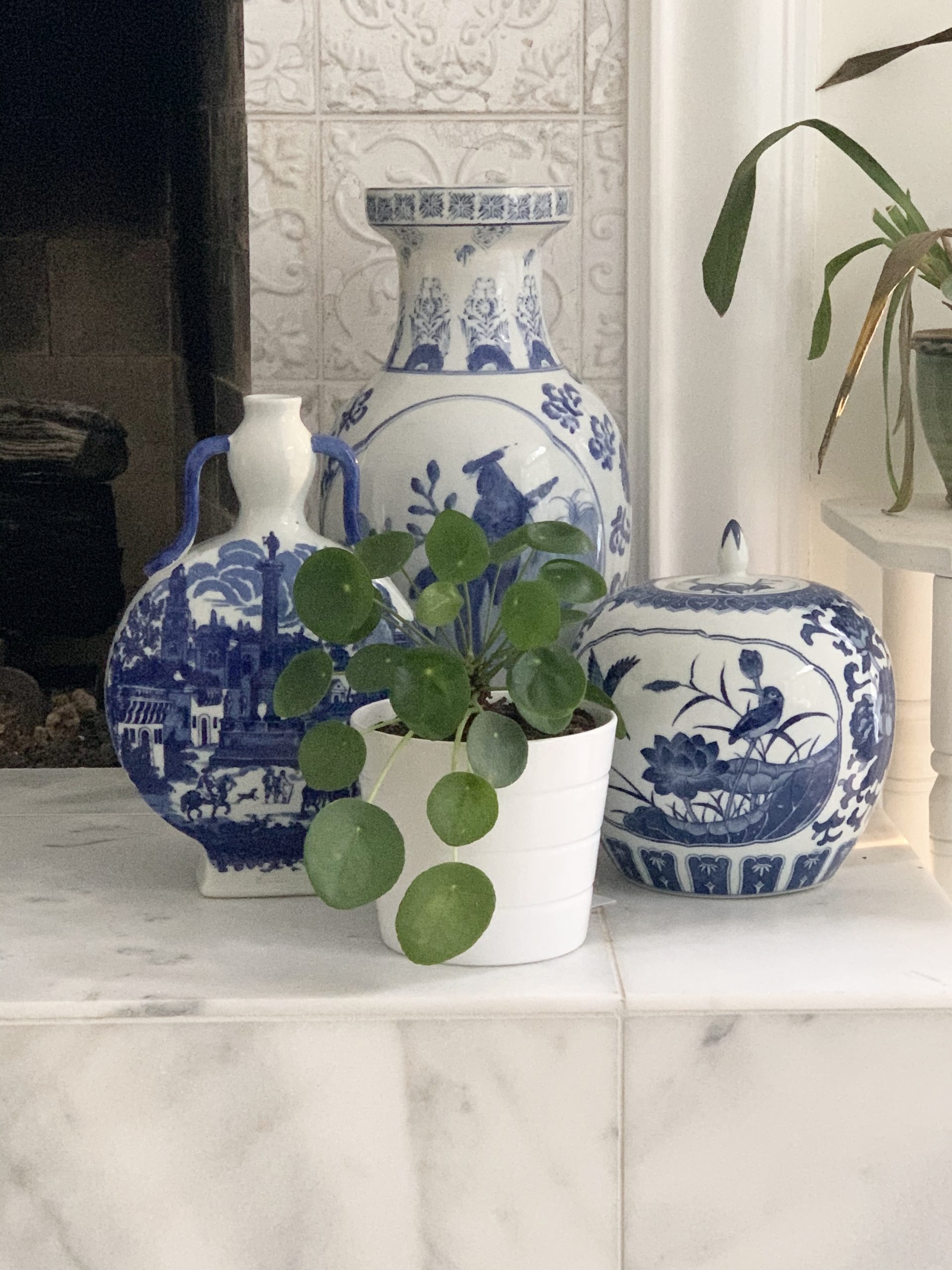
Give it bright, indirect sunlight and water it once the soil feels dry to the touch. The one habit worth building is rotating the pot every week or so, since pilea grows toward the light source and will end up leaning dramatically to one side if you never turn it. It also produces little plantlets, or “babies,” in the soil around the base, which you can gently remove and pot up separately once they’re a reasonable size, giving you new plants without spending anything.
Monstera deliciosa
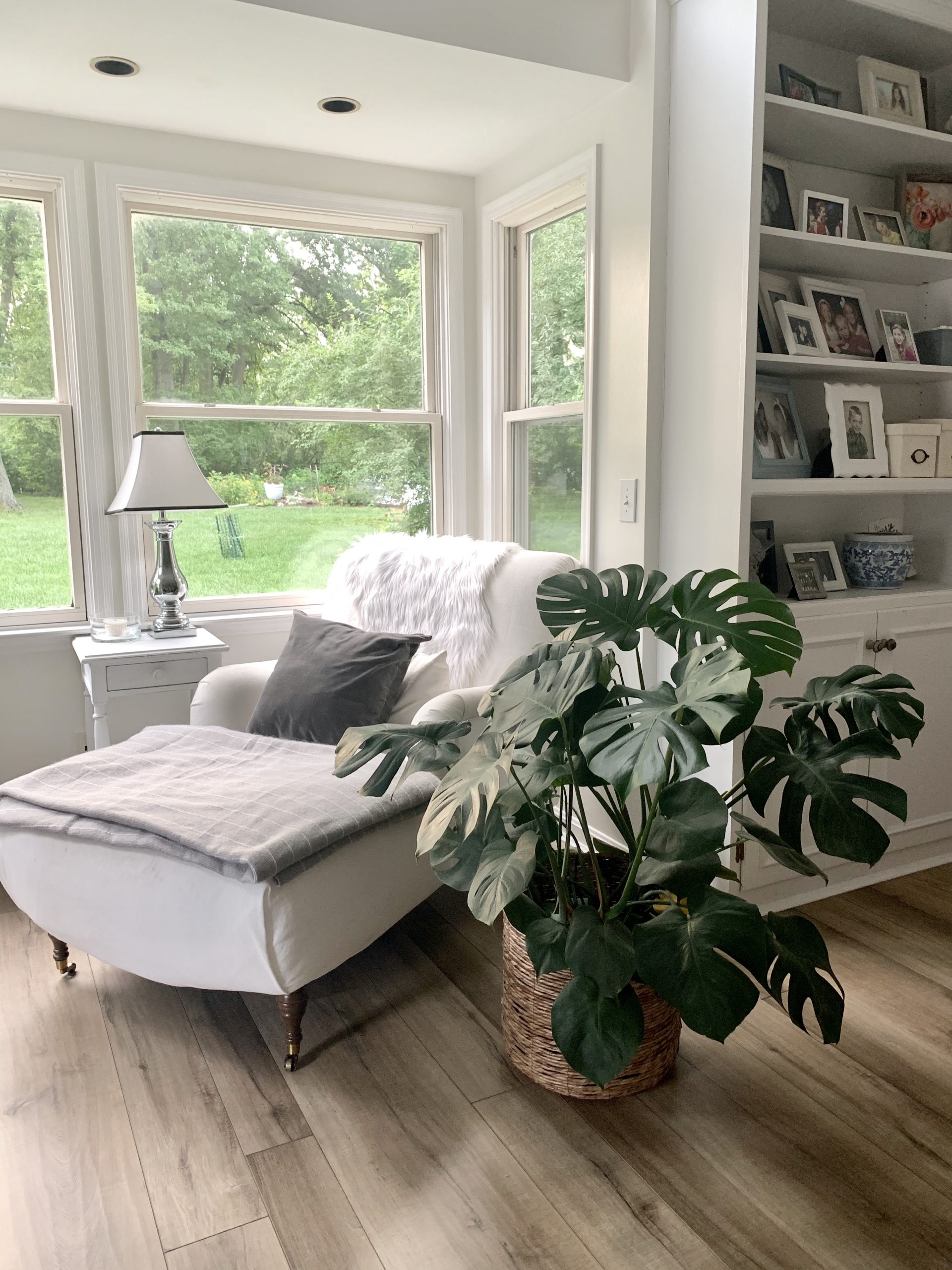
The monstera’s large, dramatically split leaves have made it something of a design cliché at this point, but there’s a reason it’s everywhere. It’s a genuinely striking plant, and it’s far more tolerant of neglect than its size suggests.
Water thoroughly when the soil is dry and the leaves start to look slightly limp, rather than on a fixed schedule, and give it bright, indirect light for the best leaf growth and those characteristic splits. Rotating it occasionally keeps growth even rather than lopsided, and an occasional wipe of the leaves with a damp cloth keeps dust from building up and lets the plant photosynthesise properly. As it grows, a monstera will happily fill a genuinely large space, so it’s a good option if you want one statement plant rather than several small ones.
Spider plant
Spider plants have been a houseplant staple for decades, and it’s easy to forget how genuinely low-maintenance they are precisely because they’re so familiar. The narrow, variegated leaves arch outward in a way that works well on a shelf, in a hanging basket, or on a plant stand where they’ve got room to spread.
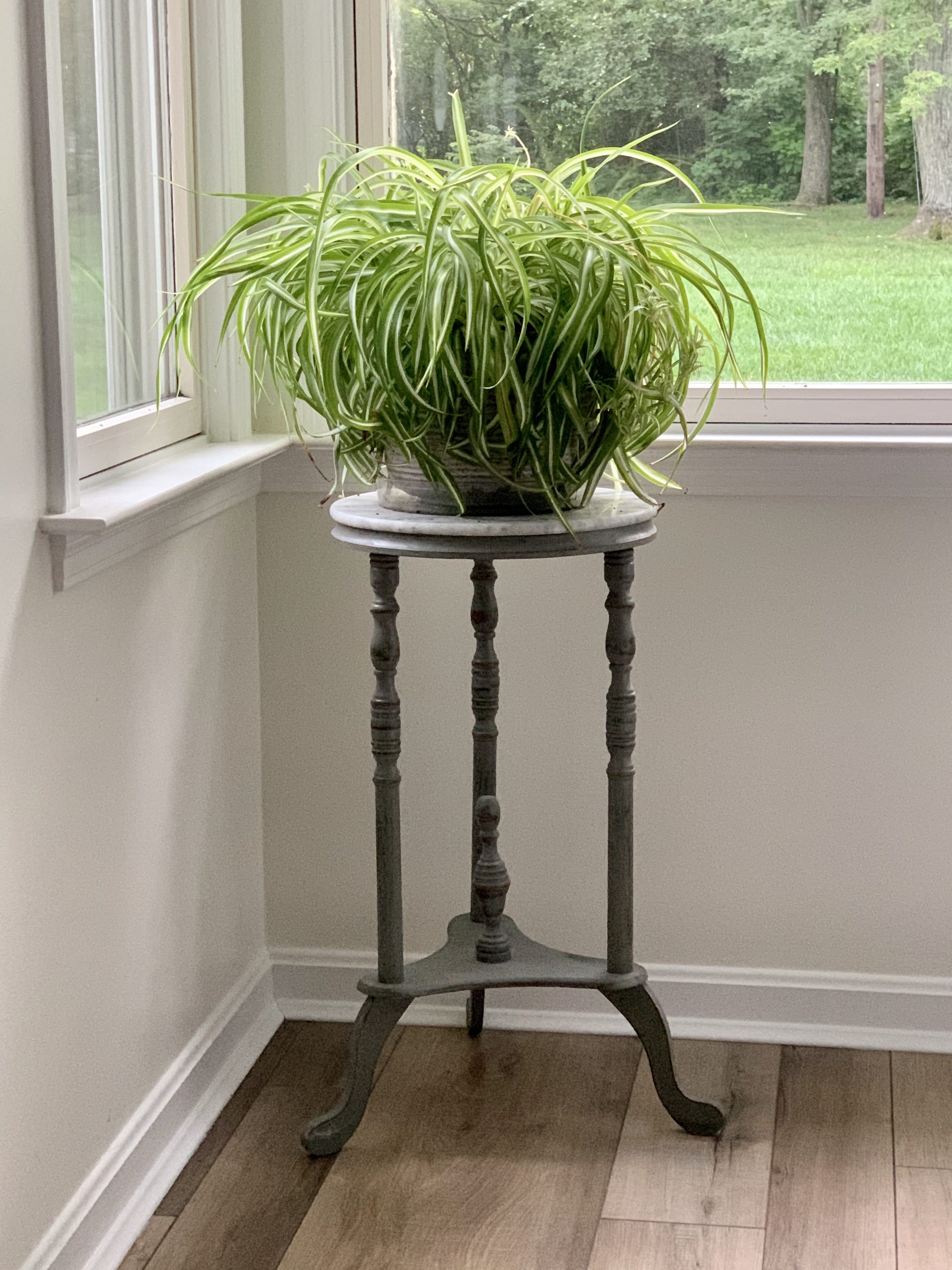
They want bright light and a good soak with proper drainage, and beyond that, they’re remarkably forgiving of an inconsistent watering schedule. Mature spider plants send out little plantlets, sometimes called spiderettes, on long stems, which you can snip off, root in water, and pot up as new plants. It’s one of the easiest and most satisfying plants to propagate if you want to fill more pots without buying more plants.
Make It Your Own
If you want something that trails, pothos is the easiest starting point and works well on a high shelf or in a hanging pot.
If you’re short on bright light, pothos and spider plants both cope with lower light better than pilea or monstera, which want brighter conditions to really thrive.
If you want a statement piece, a monstera earns its space in a way a smaller plant can’t, particularly once it’s had a year or two to fill out.
If you want to build a plant collection without spending much, pilea and spider plants both propagate easily from the babies they naturally produce, so one plant can become several over time.
Frequently Asked Questions
Pothos is generally considered the easiest, since it tolerates a wide range of light conditions and forgives inconsistent watering better than most other common houseplants.
Most of the plants here prefer to dry out between waterings rather than being kept consistently damp. Checking the soil with a finger before watering is more reliable than following a fixed schedule, since light, temperature and pot size all affect how quickly soil dries out.
Root rot usually happens when soil stays wet for too long, which starves the roots of oxygen and allows fungal problems to take hold. Well-draining soil, a pot with drainage holes, and letting the soil dry out between waterings are the best ways to avoid it.
Pothos and spider plants tolerate lower light better than pilea and monstera, though all four will grow more slowly and produce smaller leaves without bright, indirect light. None of them will thrive in a completely dark corner.
For pothos, cut just below a node on the stem and place the cutting in water until roots form, then pot it up. For spider plants, snip off one of the small plantlets that form on long stems, root it in water the same way, then transfer it to soil.
Pothos and monstera are both toxic to cats and dogs if chewed or eaten, so keep them out of reach in a pet-friendly home. Spider plants and pilea are considered non-toxic, making them safer choices if pets are likely to investigate.
The plants worth starting with
If you’ve written yourself off as someone who can’t keep plants alive, one of these four is worth trying before you give up entirely. They’re genuinely forgiving of the kind of inconsistent care most of us actually give our plants, and once you’ve kept one alive for a few months, the next one gets a lot less intimidating.
If you’re looking for more low-maintenance ways to bring life into a room, have a browse of the home interiors section for more.
Leave a Reply
If you like the sort of recommendation that still holds up six months later, leave your email below and I'll write to you on Sunday.
Most Sundays, once the house has gone quiet and it's edging towards nine, a letter goes out. It's the one I'd write to a friend with good taste and not nearly enough time: one thing worth reading, one thing worth buying, and one thing to skip. No noise, no pressure to spend, just the considered version of what I've actually been using, loving, or quietly sending back.


November 17th, 2020 at 2:38 am
Love these plants. Monstera Deliciosa is on my wishlist!
February 8th, 2021 at 2:43 am
Thanks for sharing. I have been experimenting with pothos in water in a range of jam jars scattered around the house – beautiful, hardy and give me fresh air.
June 9th, 2021 at 6:44 am
nice post.
Money Plant Play a very important role in bringing a lot of energy in bringing a lot of positive energies in your house.
September 24th, 2021 at 7:09 am
I love Spider plants, they are the only indoor one that I can seem to grow, maybe its because it doesn’t need alot of looking after, I forget to water them ????
March 26th, 2022 at 8:41 am
By mentioning how to care for these plants, you are helping many people. Great work. Indoor plants are very good for room, office and best option to gift.