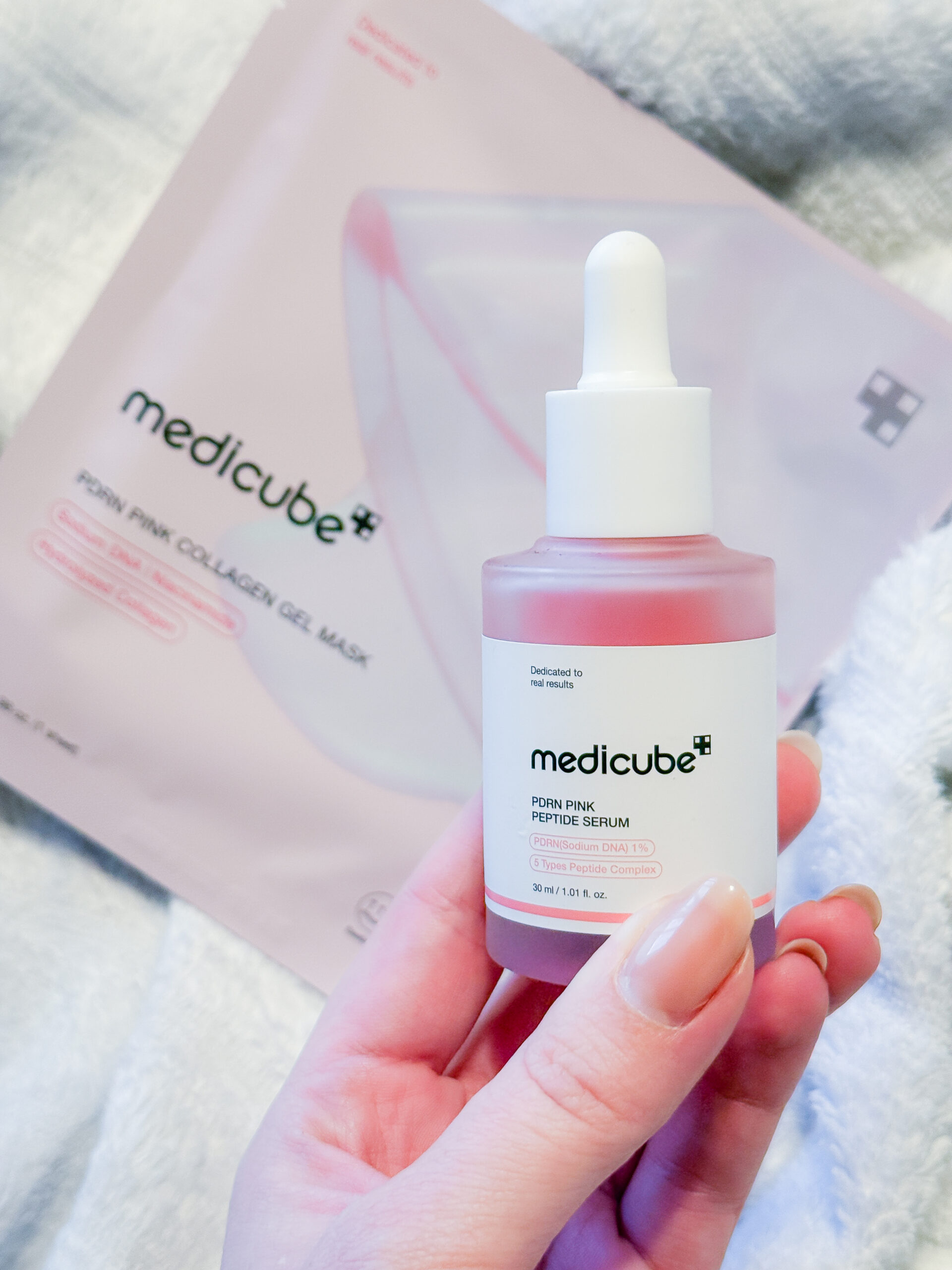
So the PDRN craze has properly landed, and if your For You page looks anything like mine, you have seen the pink Medicube packaging approximately four hundred times this month. The question that actually matters, though, is not whether PDRN works. It is which Medicube version deserves your money first: the colour-changing sheet mask or the peptide serum.
Short answer, for anyone skimming on their lunch break: if only one is going in the basket, make it the serum. It is the one used daily, so the cost-per-use works out far better than a treatment you reach for once or twice a week, and the results build steadily rather than fading within a few days. The mask is lovely, genuinely lovely, but it earns its place as an occasional treat rather than the daily workhorse. Here is the full breakdown of why.
What PDRN Actually Is (Quick Version)
PDRN stands for polydeoxyribonucleotide, which sounds like something from a chemistry exam rather than a skincare ingredient, but stick with it. It is derived from salmon DNA and works by encouraging skin repair and boosting collagen production at a cellular level. It has been used in aesthetic medicine for years, mostly as an injectable treatment, before Korean skincare brands worked out how to bring a version of it into everyday, at-home formulations.
The appeal for the everyday luxury reader is obvious. This is not a trend built on nothing. There is genuine science underneath the TikTok noise, which is rare enough to be worth paying attention to.

The Mask: What It Actually Does
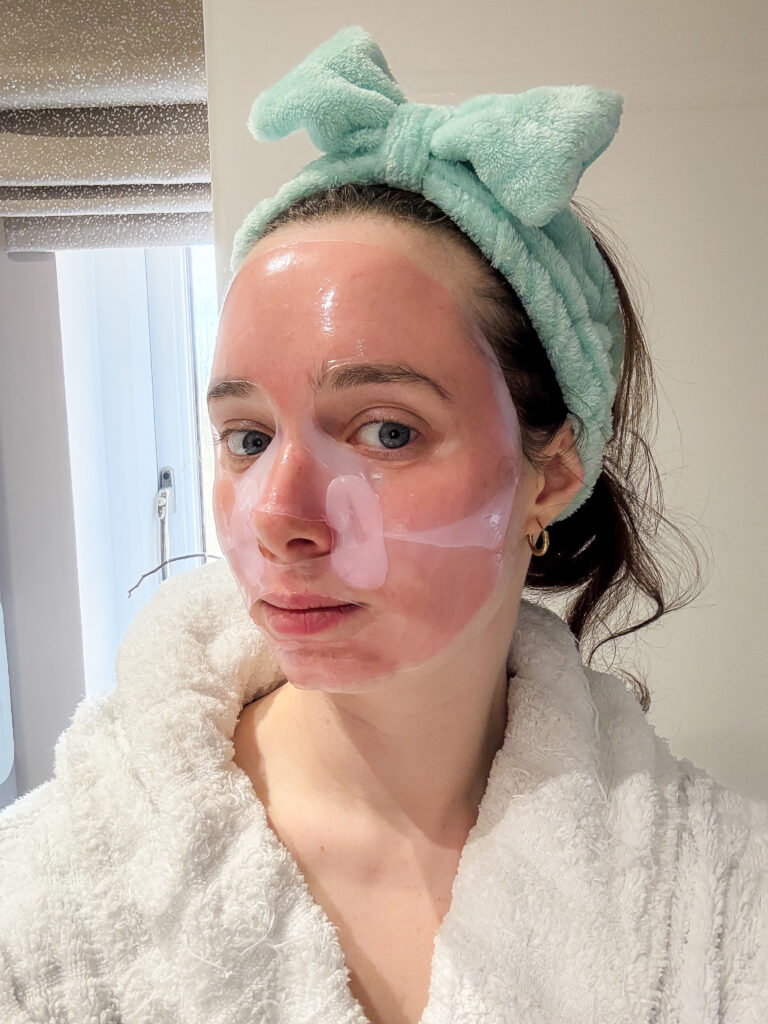
The Medicube PDRN Pink Collagen Gel Mask comes as two jelly pieces per sachet, one for the top half of the face and one for the lower half, and it is the product most people try first. It starts as an opaque pink jelly and gradually turns clear over one to three hours as skin absorbs the active ingredients, which doubles as a built-in timer for when it has done its job.
Full thoughts on applying it, the slightly chaotic first thirty seconds of getting two slippery jelly pieces to sit flat, and exactly how skin looked afterwards are in the dedicated mask review, but the short version is that skin looks noticeably softer and plumper once it is peeled away, in that well-hydrated rather than stripped way.
Where the mask earns its everyday luxury status is in the ritual of it. This feels like a proper spa moment rather than a quick skincare step, and for a reader trying to feel like herself again after a day of nursery drop-offs and Zoom calls, that ritual matters just as much as the ingredient list. It is also an easy, low-cost way to trial PDRN before committing to anything more expensive.
The Serum: What It Actually Does
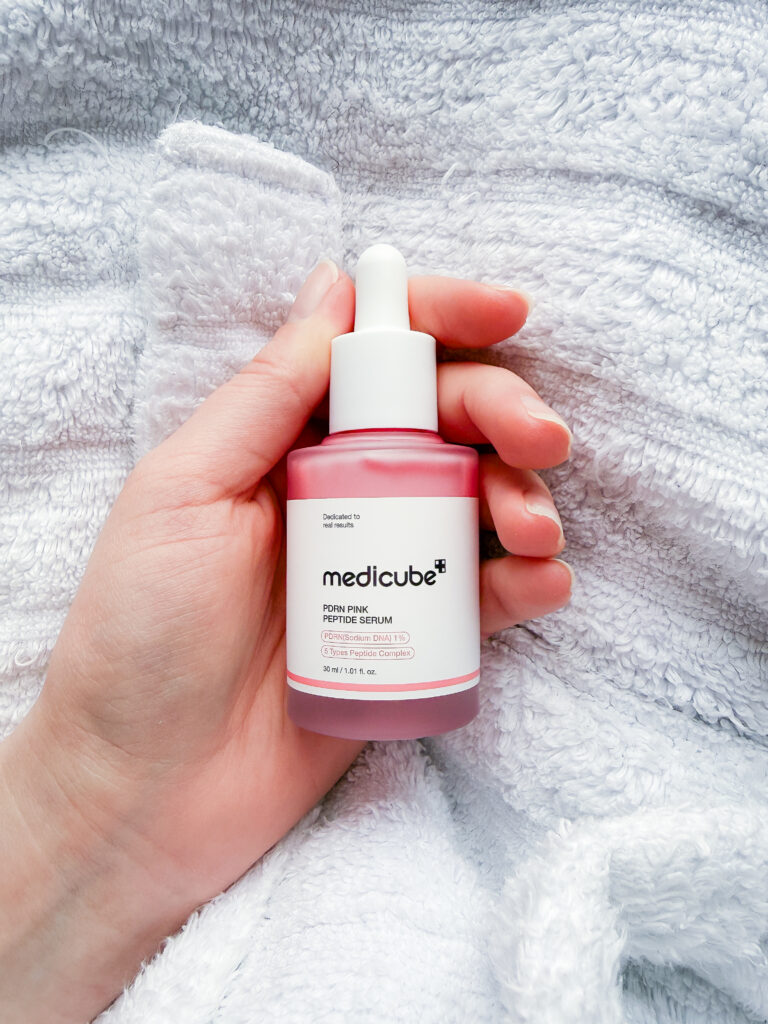
The Medicube PDRN Pink Peptide Serum is a different commitment entirely. This is a daily leave-on treatment, a 30ml bottle with a glass dropper, used morning and evening on clean skin before moisturiser. It combines a high concentration of salmon PDRN with a five-type peptide complex, niacinamide, adenosine and hydrolysed collagen, which means it is working continuously rather than in occasional bursts.
Full detail on the texture, how it layers under SPF without pilling, and how it compares against other serums lives in the full serum review, but the headline is that consistent daily use produced a steadier, more cumulative change than the mask alone managed. Skin looked calmer, smoother across the cheeks, and held onto that glow for longer between applications.
The serum is the product for someone who has already decided PDRN belongs in their routine long term. It asks more in terms of daily commitment, but it also does more.
Medicube PDRN Mask vs Serum: The Direct Comparison
Putting them side by side, the differences come down to three things: commitment, speed, and cost per use.
The mask suits someone who wants a noticeable moment of glow before an event, a low-effort weekly treatment, or simply a way to test whether PDRN agrees with her skin before spending more. Results are visible once it is peeled off but fade within a couple of days, the same way any good sheet mask works.
The serum suits someone who has already fallen for the PDRN promise and wants the cumulative, longer-lasting version of that result. A bottle lasts two to three months at one to two drops per use, and it becomes part of the daily routine rather than a special occasion treat.
Cost per use tends to favour the serum once you factor in how it is actually used. The mask sachets are sold individually or in small multi-packs, which suits occasional use nicely but adds up quickly if reached for every week. The serum’s daily use across a two to three month bottle spreads that £24 much further. Neither is what anyone would call inexpensive, so it is worth being honest that this falls firmly into considered purchase territory rather than an impulse buy.
A Suggested PDRN Routine
For anyone tempted to bring both into a routine, here is a sensible way to do it without overloading skin or overloading the bank balance.
Lead with the serum as the daily staple, morning and evening, patted in rather than rubbed so it absorbs evenly under SPF or a night cream. Bring the mask in once a week, or the night before something that matters, as a booster rather than the main event. That combination gives skin the daily benefit of consistent PDRN use while still keeping that lovely spa-night ritual for whenever it is wanted.
This is also the more financially sensible way round if budget matters, which for most of us it does. The serum earns its place as the everyday investment because it is used constantly, while the mask stays an occasional treat rather than something reached for every single week.
Who Should Buy the Serum First
Choose the serum first if the goal is a genuine long-term shift in texture and firmness rather than an occasional glow, or if daily routines are already well established and adding one more step feels manageable rather than overwhelming. This is the right call for most people, since the cost-per-use makes far more sense for something used daily, and the results are the kind that hold up rather than fade within 48 hours.
Who Should Buy the Mask First
Choose the mask first if the immediate goal is a glow boost before a specific event, if PDRN as an ingredient still feels like an experiment rather than a commitment, or if a lower-cost way to trial the ingredient is wanted before deciding whether to invest in the serum. It is also a lovely, low-pressure entry point for anyone newer to Korean skincare more broadly, since the sachet format is familiar even when the ingredient is not.
Frequently Asked Questions
Yes, and many people find this the most effective approach. Use the serum daily as a leave-on step and the mask once a week as an extra boost, rather than trying to run both at full intensity from day one.
The mask shows a visible difference as soon as it is peeled off, though it fades within a couple of days. The serum takes longer, usually a couple of weeks for the full effect, but the results last because they are building the skin’s texture rather than temporarily plumping it.
Generally yes, since it is designed to support skin repair rather than exfoliate or actively treat, but as with anything new, patch testing on a small area first is sensible, particularly for anyone prone to reactions.
Not at all. The mask alone delivers a noticeable result for anyone who simply wants an occasional treatment. The serum is for those wanting to take it further.
The Verdict
If only one product is going into the basket this month, make it the serum. It is the one used daily, so the cost-per-use makes far more sense than a treatment reached for occasionally, and the results build steadily rather than fading within a couple of days. The mask is a genuinely lovely addition once the serum has earned its place in the routine, the kind of treat to reach for the night before something that matters rather than the main event.
Either way, this feels like one of the rare skincare trends actually worth the hype, which is not a sentence handed out often around here.
This one also made the cut in the best beauty products of 2026 edit, for exactly the reasons above, so if you want the wider routine it sits within, that’s worth a read too.
Looking for more honest reads before you spend? Head over to the beauty and skincare section for the rest of the reviews.
Leave a Reply
If you like the sort of recommendation that still holds up six months later, leave your email below and I'll write to you on Sunday.
Most Sundays, once the house has gone quiet and it's edging towards nine, a letter goes out. It's the one I'd write to a friend with good taste and not nearly enough time: one thing worth reading, one thing worth buying, and one thing to skip. No noise, no pressure to spend, just the considered version of what I've actually been using, loving, or quietly sending back.